

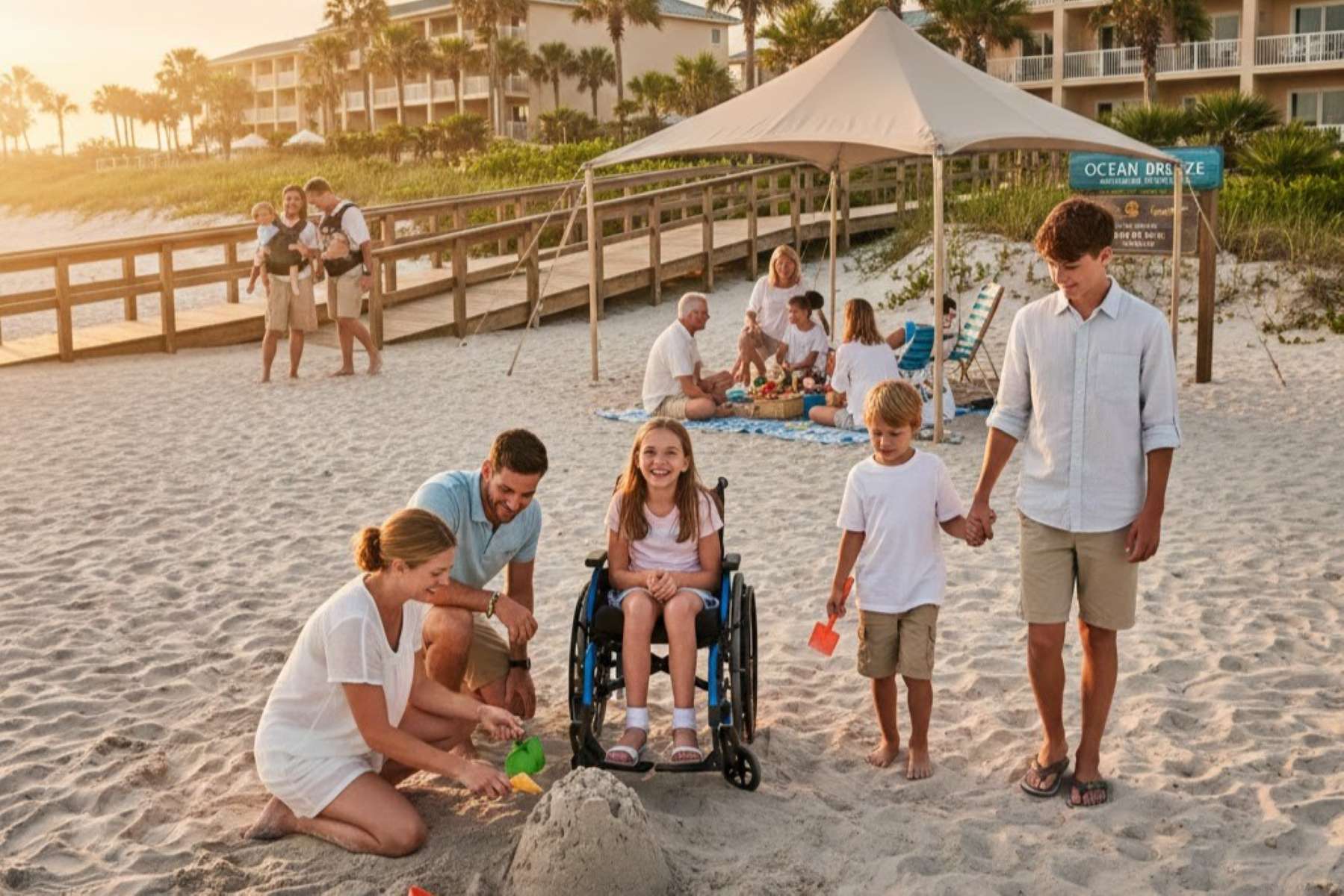
Taking a trip with the entire family is one of life’s most rewarding experiences, offering a rare chance to step away from the daily grind and reconnect. However, the dream of a perfect getaway can often feel daunting when you are trying to balance the needs of toddlers, teenagers, and family members with different physical or sensory abilities. Creating an inclusive family vacation isn’t just about finding a hotel with a ramp; it’s about intentional planning that ensures every family member feels seen, supported, and excited to participate.
The beauty of inclusive travel lies in the shared memories that come from a stress-free environment. When we prioritize accessibility and flexibility, we move away from the “one-size-fits-all” approach and toward a holiday that honors everyone’s unique pace. By focusing on a few key pillars—from destination choice to open communication—you can transform a standard trip into a truly universal adventure where the only thing anyone has to worry about is which ice cream flavor to try next.
Understanding the Essence of an Inclusive Family Vacation
Before diving into the logistics, it is helpful to define what an inclusive family vacation actually entails in a modern context. At its core, inclusivity in travel means removing barriers—whether they are physical, sensory, or developmental—to ensure that every person can engage with their surroundings to the fullest extent possible. This goes beyond basic ADA compliance. It involves seeking out environments that are welcoming to neurodivergent children, accessible for those with mobility aids, and engaging for different age brackets simultaneously.
Inclusivity also touches on the psychological comfort of the family. It is about choosing spaces where you don’t feel like you are “imposing” by asking for a quiet corner or a specific accommodation. When a vacation is truly inclusive, the environment adapts to the family, rather than forcing the family to struggle against the environment. This foundational mindset is what allows parents to relax and children to thrive, turning a potentially stressful logistical puzzle into a restorative journey.
1. Choose Accessible Destinations Wisely
The first step in crafting a successful journey is selecting a destination that naturally lends itself to inclusivity. While a rugged mountain trek might sound adventurous, it could present significant hurdles if you are traveling with strollers or family members who have limited mobility. Researching “certified sensory-friendly” cities or destinations known for their infrastructure is a great starting point. Many major theme parks and national parks have made incredible strides in providing detailed accessibility guides that help you scout the terrain before you even book a flight.
Beyond physical terrain, consider the cultural atmosphere of your chosen locale. Some cities are renowned for their “slow tourism” pace, which is often more accommodating for families who need frequent breaks. Coastal towns with boardwalks or flat, paved historic districts often provide a much smoother experience for everyone involved. By picking a location that already values accessibility, you reduce the amount of “work” you have to do upon arrival, allowing the destination to do the heavy lifting for you.
2. Plan Flexible Daily Itineraries
One of the most common pitfalls of family travel is the “over-scheduled” syndrome. While it is tempting to cram every landmark into a three-day window, a truly inclusive family vacation requires a degree of spontaneity and breathing room. A rigid schedule is often the enemy of inclusion, as it doesn’t account for the unexpected naps, sensory breaks, or slow mornings that children often require. Instead of a minute-by-minute plan, try grouping activities by neighborhood and picking one “must-see” event per day.
This “slow-and-steady” approach ensures that no one feels rushed or overwhelmed. If a particular museum visit is becoming too stimulating for a younger child, a flexible itinerary allows you to pivot to a nearby park without feeling like you’ve ruined the day’s plans. Incorporating “downward transitions”—quiet periods between high-energy activities—is also a fantastic way to keep everyone’s mood stable. Remember, the goal is to enjoy the experience together, not just to check boxes on a list.
3. Select Kid-Friendly and Accessible Accommodations
Your “home base” is the most important factor in maintaining a sense of calm during your travels. When booking accommodations, look beyond the standard amenities and search for features that support a diverse range of needs. This might mean requesting a ground-floor room to avoid long elevator waits or finding a hotel that offers blackout curtains and quiet zones for children who are sensitive to light and sound. Many modern resorts now provide “inclusive kits” that include things like weighted blankets or visual schedules upon request.
Don’t be afraid to call the property directly rather than relying solely on online descriptions. Ask specific questions about the proximity of the room to the dining area or the noise levels near the pool. A kitchen or kitchenette can also be a game-changer for an inclusive family vacation, allowing you to manage specific dietary needs or routines that are hard to maintain in a standard restaurant setting. Having a comfortable, adapted space to retreat to at the end of the day makes all the difference in everyone’s energy levels the next morning.
4. Incorporate Diverse Activity Options
Diversity in activities ensures that both the high-energy teenager and the more contemplative younger child find something that speaks to them. When planning your outings, try to balance “high-stimulus” activities, like busy markets or amusement rides, with “low-stimulus” options like botanical gardens, quiet library visits, or a simple afternoon at a calm beach. This variety prevents “travel burnout” and ensures that no single family member feels like the entire trip is centered around someone else’s interests.
Think about “multisensory” engagement as well. For a child with visual impairments, a musical performance or a cooking class might be more inclusive than a traditional art gallery. For a child who needs to move, look for interactive science centers where touching the exhibits is encouraged. By diversifying the types of experiences you engage in, you create a rich tapestry of memories that caters to the different ways your family members interact with the world around them.
5. Communicate Needs with Providers Early and Often
Perhaps the most effective tool in your travel kit is clear, proactive communication. Whether you are dealing with airlines, tour operators, or restaurant staff, letting them know your specific requirements in advance can open doors you didn’t even know existed. Most service providers are more than happy to help; they simply need to know what you need. This could range from requesting early boarding on a flight to asking a tour guide if they can provide a written transcript of their talk for a family member with hearing difficulties.
When you communicate your needs early, you allow the providers time to prepare, which results in a much smoother interaction for your family. It also reduces the “on-the-spot” advocacy that can be exhausting for parents. Frame these conversations as a partnership: “We want to enjoy your wonderful service, and here is how you can help us do that.” This positive, collaborative approach usually results in a higher level of care and a more welcoming environment, ensuring that your inclusive family vacation is a success from start to finish.
At the end of the day, an inclusive family vacation is about more than just the places you visit; it is about the feeling of belonging that comes when every family member is able to participate fully. By choosing the right destination, keeping your plans flexible, and being proactive about your needs, you create a space where the focus stays on the joy of discovery.