When we retreat to our bedrooms at the end of a long day, we often think we are simply “turning off” for the night. However, while our conscious minds drift into dreams, our bodies continue to communicate. The way you instinctively arrange yourself under the blankets is rarely accidental. In the field of sleep position psychology, experts suggest that these nocturnal habits offer a fascinating window into our personalities, our subconscious anxieties, and how we navigate the stresses of our waking lives.
Understanding the Concept of Sleep Position Psychology
Before we dive into specific postures, it is helpful to understand what sleep position psychology actually entails. This area of study suggests that because our subconscious mind takes over during sleep, our physical stance becomes an unfiltered reflection of our emotional state. Just as body language reveals confidence or defensiveness during a boardroom meeting, your sleeping posture can signal your need for protection, your level of openness to new experiences, or how you process the tensions of your daily routine.
Finding Comfort: The Fetal Position and Emotional Resilience
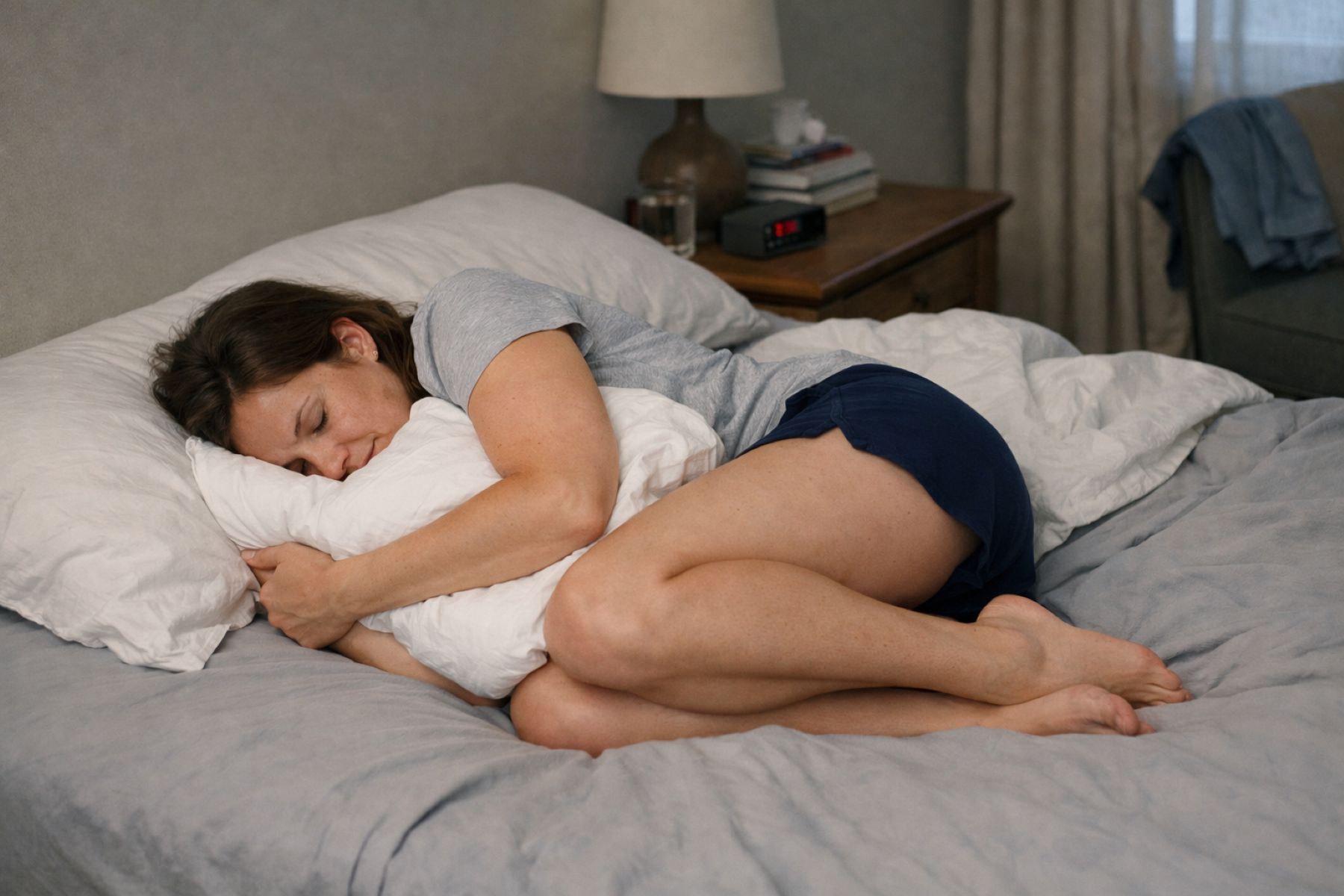
The most common posture people adopt is the fetal position, where the knees are tucked toward the chest and the torso is slightly hunched. From a psychological perspective, this is a “return to the womb” response. If you find yourself curling up this way, it often suggests a sensitive soul who may feel a bit overwhelmed by the world’s demands.
While it might look like a defensive stance, it is actually a very effective way to self-soothe. People who prefer this position are often described as having a “tough shell but a soft heart.” You might be shy at first, but once you feel safe, you are incredibly warm and loyal. In terms of stress management, this position helps you feel protected, allowing your nervous system to downregulate after a high-pressure day.
The Log Position: Stability Amidst the Chaos
In contrast to the curled-up fetal position, the “log” involves lying on your side with both arms and legs extended straight down. It might look rigid, but the psychology behind it is surprisingly social. Log sleepers tend to be easy-going, trusting, and sometimes even a bit too gullible.
Because this position is open and unafraid, it reflects a person who approaches stress with a sense of stability. You aren’t easily rattled by the small things, and you likely have a large social circle that you rely on for support. However, your challenge lies in your tendency to trust everyone equally, which can sometimes lead to disappointment when others don’t meet your high standards of honesty.
The Yearner: Navigating Decision Anxiety
If you sleep on your side with your arms stretched out in front of you—as if you are reaching for something—you are what psychologists call a “yearner.” This position tells a complex story about how you handle choices and life goals. Yearners are typically open to new experiences but can be incredibly cynical or suspicious of new information.
When it comes to stress, the yearner often struggles with decision anxiety. You might take a long time to make up your mind, weighing every possible pro and con. However, the silver lining is that once a yearner makes a choice, they almost never change it. Your stress often stems from the “reaching” phase, but your resolve once you’ve landed on a path is your greatest strength.
The Soldier: High Expectations and Quiet Strength
The “soldier” position involves lying on your back with arms pinned strictly to the sides. This posture is often adopted by individuals who lead disciplined, organized lives. If this is your go-to style, you likely hold yourself—and those around you—to exceptionally high standards. You aren’t one for loud outbursts or flashy behavior; instead, you prefer a quiet, structured environment.
The psychological weight here is often internal. Soldiers don’t usually vent their stress to others. Instead, they carry it silently, which can lead to physical tension. Learning to “at ease” in your waking life is just as important as maintaining your posture during the night.
The Freefaller: Sensitivity Under a Bold Mask
Lying on your stomach with your hands around the pillow and your head turned to one side is known as the “freefaller.” This is perhaps the most extroverted of all sleep positions. Freefallers are often seen as bold, brash, and even a bit “thin-skinned” when it comes to criticism.
Psychologically, the freefaller is trying to “grab” the bed, which can indicate a subconscious desire to control their environment. If you feel like life is moving too fast or things are spiraling out of your hands, you might find yourself gravitating toward this position. You are highly sensitive to sudden changes, and your stress management often involves trying to over-prepare for every possible outcome.
The Starfish and Stargazer: Empathy and Optimism
Those who sleep on their backs with arms up near the pillow (the Starfish) or with arms behind their head (the Stargazer) are the ultimate friends of the personality world. Starfish sleepers are excellent listeners and are always ready to offer help, though they generally prefer not to be the center of attention.
Stargazers, on the other hand, tend to have a very positive, “glass-half-full” outlook on life. If these are your preferred ways to rest, you likely handle stress by looking at the bigger picture. You find comfort in your connections with others and your belief that things will eventually work out. Your challenge is ensuring you don’t take on everyone else’s problems at the expense of your own peace.
Physical Comfort and Emotional Security: Hugging the Pillow
Many people, regardless of their primary position, feel the need to hug a pillow. This is a strong indicator of the value you place on emotional security and close relationships. Pillow huggers are generally very nurturing and place a high premium on the bonds they have with family and partners. When stress hits, you don’t look for logical solutions first; you look for a hug or a sympathetic ear.
Finding the Link: Nightmares, Tension, and Better Coping
It is important to note that our sleep positions can change during periods of high tension. If you are suddenly “curling up” more tightly than usual, it may be a sign that your body is trying to protect itself from perceived emotional threats. Similarly, there is a strong link between physical tension and the onset of nightmares. When we carry stress in our muscles, our brain often translates that discomfort into stressful dream imagery.
Improving your sleep doesn’t just mean getting more hours; it means creating an environment where your body feels safe enough to “unfold.” Stretching before bed, practicing mindfulness, and acknowledging the psychological roots of your posture can help you move from a “defensive” sleep state to a “restorative” one. By understanding your own sleep position psychology, you gain a powerful tool for self-awareness, allowing you to wake up not just rested, but more in tune with your inner self.