

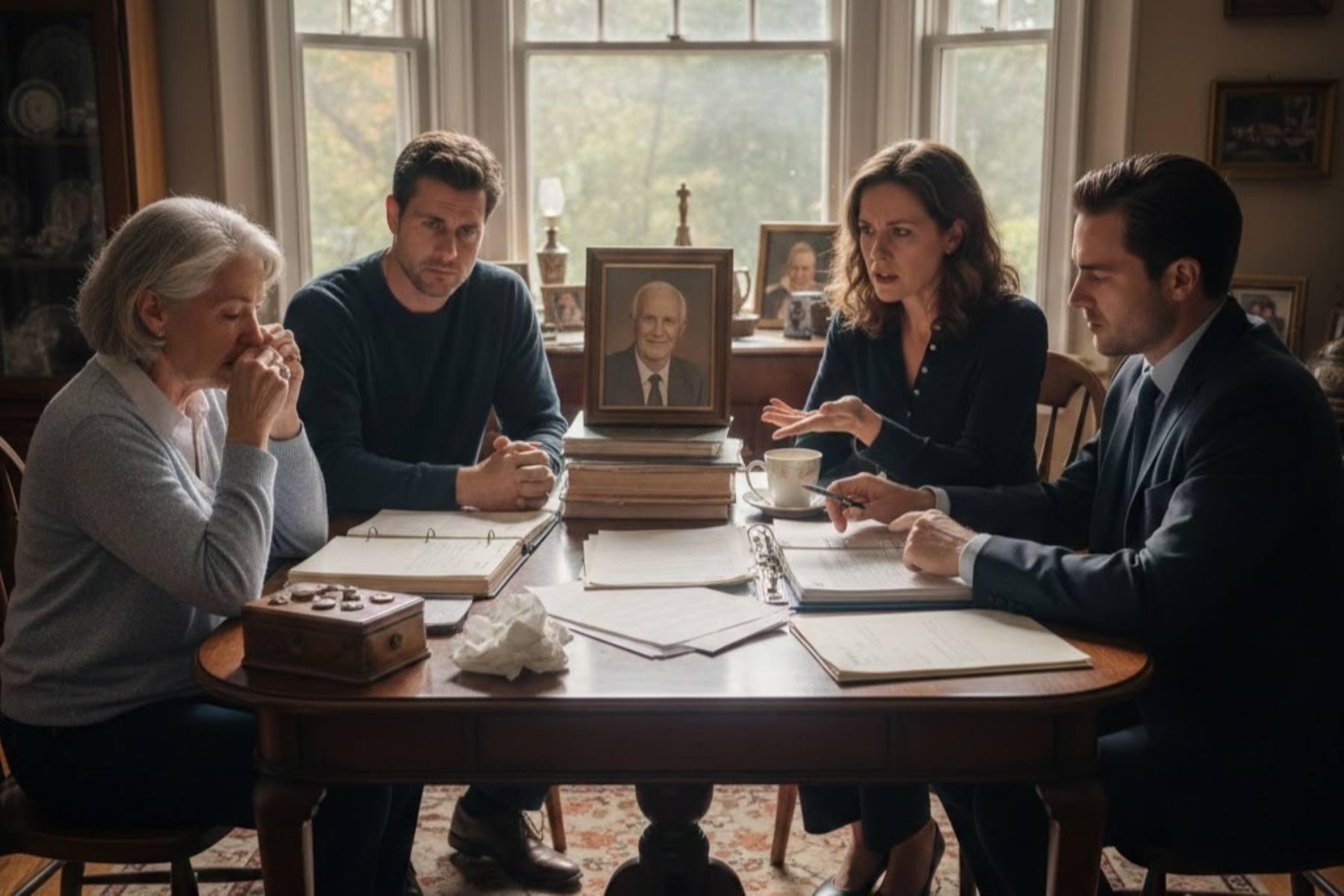
The passing of a parent is an inherently emotional period, often marked by grief and a sense of profound loss. However, for blended families, this time of mourning is frequently interrupted by the cold realities of legalities and asset distribution. Stepparent inheritance disputes are becoming increasingly common as modern family structures evolve, often bringing long-simmering tensions to the surface. When a biological parent dies, the delicate balance that held the family together can shift, leading to disagreements that are as much about emotional validation as they are about financial security.
Understanding the Roots of Stepparent Inheritance Disputes
At its core, a stepparent inheritance dispute refers to a legal or interpersonal conflict between a surviving spouse and the biological children of the deceased regarding the distribution of an estate. These conflicts often arise because the legal system and personal expectations do not always align. In many jurisdictions, the law prioritizes the surviving spouse, which can leave biological children feeling disenfranchised or forgotten. This tension is magnified when the relationship between the stepchildren and the stepparent has been historically distant or fraught with misunderstanding.
The Impact of Missing or Unclear Wills
One of the most frequent catalysts for a family feud is the lack of a clear, legally binding written will. Many people delay estate planning because it requires confronting their own mortality, but in a blended family, this hesitation can be disastrous. Without a will, the estate is distributed according to “intestacy” laws, which vary by state but typically favor the current spouse. When biological children realize that their parent’s assets—perhaps even a family home that has been in the lineage for generations—might pass entirely to a stepparent, the lack of written intent becomes a primary source of litigation.
Ambiguity in Prenuptial Agreements
Prenuptial agreements are often viewed as a safeguard, yet they can become a focal point of contention if the terms are ambiguous. A “prenup” is intended to define which assets remain separate and which become community property, but over decades of marriage, those lines often blur. If an agreement was signed twenty years ago and never updated to reflect new property purchases or joint investments, both the surviving spouse and the biological children may interpret the outdated clauses in ways that serve their own interests, leading to a stalemate in probate court.
The Perception of Biological Favoritism
Deep-seated emotions regarding favoritism toward biological children often dictate how an estate is perceived. Even if a parent tried to be fair, children may look at the distribution of assets as a final “scorecard” of their parent’s love. If a parent leaves a larger portion of their wealth to their biological offspring, the surviving stepparent may feel betrayed or financially vulnerable. Conversely, if the stepparent receives the lion’s share, the children might feel that their biological connection was undervalued, sparking a defensive legal reaction to “claim what is theirs.”
Sentimental Property and Emotional Value
While large bank accounts are significant, disputes over sentimental personal property can be surprisingly more aggressive. Items like jewelry, family photos, or heirlooms often carry an emotional weight that far exceeds their market price. A stepparent may wish to keep these items as a memory of their late partner, while the children view them as part of their ancestral heritage. Without specific instructions in a letter of intent or a will, these small items can trigger expensive legal battles fueled by nostalgia and the need for closure.
Resentment Over the Inclusion of Stepchildren
In some cases, the friction arises from the biological children’s resentment regarding the inclusion of stepchildren in the inheritance. If a parent treats their stepchildren as their own and includes them in the will, the biological children may feel that their “rightful” share is being diluted. This perception of “encroachment” on the family legacy often leads to challenges regarding the validity of the will, as biological heirs struggle to accept that their parent chose to provide for non-biological family members.
Errors in Beneficiary Designations
A common but devastating mistake involves improperly designated life insurance or retirement account beneficiaries. These assets often pass outside of a will, meaning the person listed on the policy receives the funds regardless of what the will says. If a parent meant to change a beneficiary from an ex-spouse to their children, or from their children to a new spouse, but forgot to update the paperwork, the result is often a legal “tug of war.” These technicalities can leave one party with a windfall and the other with nothing, despite the deceased’s verbal intentions.
Allegations of Undue Influence
When a will is changed late in life, especially during a period of illness, biological children may suspect undue influence by the surviving spouse. The suggestion is often that the stepparent took advantage of the deceased’s diminished physical or mental capacity to secure a larger inheritance. These claims are difficult to prove but are frequently used to contest a will. The resulting legal discovery process can be invasive and painful, as it forces the family to scrutinize the private dynamics of the marriage and the health of the deceased.
Mismanagement by Estate Executors
The role of an executor is demanding, and in blended families, the choice of who fills this role is critical. If a stepparent is appointed as the executor, the children may worry about a lack of transparency or a conflict of interest. On the other hand, if a biological child is the executor, the stepparent may feel their needs are being sidelined. Any perceived mismanagement—whether it is a delay in communication or an error in asset valuation—can quickly be interpreted as a deliberate attempt to cheat the other party.
Financial Needs Versus Verbal Promises
Disputes frequently arise when there are significant differences in the perceived financial needs of the survivors. A surviving spouse may require the estate’s full value to maintain their standard of living and healthcare, while the children may feel they need their inheritance now to pay for mortgages or education. This tension is exacerbated by verbal promises that contradict legal documents. “Your father told me I would always have the house,” or “Mom promised me this money,” are common refrains that, while heartfelt, hold little weight against a signed legal instrument.
The Complexity of Community Property Laws
The legal landscape itself adds a layer of difficulty, particularly regarding community property laws. In some regions, any assets acquired during the marriage are considered joint property, regardless of whose name is on the title. Sorting through decades of commingled funds to determine what is “separate” versus “community” property requires meticulous accounting. This complexity often necessitates hiring forensic accountants, which drains the estate’s value and increases the frustration of everyone involved.
Confronting Historical Family Rivalries
Finally, inheritance disputes are often just the latest chapter in a long history of family rivalries. Issues that were suppressed for the sake of the deceased parent often explode once that unifying figure is gone. If the children never fully accepted the stepparent, or if the stepparent felt excluded from the biological family’s inner circle, the probate process becomes a battlefield for these old grievances. In these instances, the dispute isn’t really about the money; it is about who has the final say in the family’s narrative.
While the legal and emotional hurdles of blended family inheritances are significant, they are not insurmountable. The most effective way to prevent these “explosions” is through proactive, transparent estate planning and open communication while the parent is still alive. Acknowledging that every family member has different needs and emotional ties can help in creating a plan that respects both the surviving spouse and the biological heirs. Ultimately, the goal of an estate should be to provide a legacy of care rather than a legacy of conflict, ensuring that the memory of the loved one is preserved with dignity rather than overshadowed by a courtroom battle.