Stomach trouble has a way of taking over the day. Bloating after lunch, irregular bowel movements, or a lingering heaviness can make even simple tasks feel harder. Many people now look to their plates for relief, and the search for foods that heal the gut the fastest has become one of the most common health questions online.
The honest answer is that no single food works overnight. The gut is a complex ecosystem of trillions of microbes, and its lining renews itself constantly. Still, researchers have identified clear patterns in what supports digestion, strengthens the gut barrier, and encourages a healthier microbiome. Here is what the latest evidence suggests, and how to put it into practice.
Why Gut Health Matters More Than Most People Realize
The digestive tract does far more than break down food. It houses roughly 70 percent of the immune system, according to commonly cited estimates, and it communicates with the brain through the gut-brain axis. When the balance of gut bacteria shifts, which scientists call dysbiosis, people may experience bloating, gas, constipation, diarrhea, fatigue, or changes in mood.
The intestinal lining is a single layer of cells that acts as a barrier between what we eat and the rest of the body. This layer is replaced every few days, which is why the gut can recover relatively quickly when it receives the right nutrition. That renewal process depends on fuel, and the fuel comes from food.
Fermented Foods: The Strongest Early Evidence
If there is one category that stands out in recent research, it is fermented foods. A 2021 study published in the journal Cell by researchers at Stanford University, led by Justin Sonnenburg and colleagues, compared diets rich in fermented foods with diets rich in high-fiber foods over ten weeks. Participants who ate more fermented foods, such as yogurt, kefir, kimchi, sauerkraut, and kombucha, showed increased microbial diversity and reduced levels of several inflammatory markers.
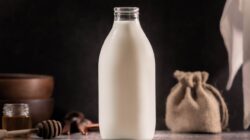
Fermented foods contain live microorganisms that can add beneficial bacteria to the gut, along with compounds produced during fermentation. Plain yogurt with live cultures is one of the easiest options. Kefir, a tangy fermented milk drink, often contains a wider range of strains. Sauerkraut and kimchi bring both probiotics and fiber from cabbage.
When shopping, look for labels that say “live and active cultures.” Pasteurization after fermentation can kill the microbes, so check the label carefully. Sugary flavored yogurts can also undo some of the benefits, so plain versions work best.
Fiber: The Gut’s Favorite Fuel
Fiber is the cornerstone of any gut-healing plan. Gut bacteria ferment certain fibers in the colon and produce short-chain fatty acids, particularly butyrate, which nourishes the cells lining the colon and helps regulate inflammation.
Health authorities recommend about 25 grams of fiber per day for adult women and 38 grams for adult men, based on U.S. dietary guidelines. Most people fall well short of these targets.
Several everyday foods are excellent sources:
- Oats provide beta-glucan, a soluble fiber that supports healthy bowel movements and feeds beneficial bacteria.
- Legumes such as lentils, chickpeas, and black beans are rich in both fiber and plant protein.
- Berries, especially raspberries and blackberries, offer significant fiber along with polyphenols.
- Chia seeds and flaxseeds form a gel in the gut that can soften stool and ease constipation.
Increase fiber gradually. Adding too much too quickly can cause gas and bloating, which can make people abandon the effort. Drinking enough water helps fiber move smoothly through the digestive tract.
Prebiotic Foods That Feed Good Bacteria
Probiotics add microbes, while prebiotics feed the ones already living in the gut. Prebiotics are typically specific types of fiber, such as inulin and fructooligosaccharides, that selectively encourage the growth of beneficial bacteria like Bifidobacterium.
Some of the most effective prebiotic foods include garlic, onions, leeks, asparagus, chicory root, and slightly underripe bananas. Garlic and onions are particularly useful because they are easy to add to nearly any savory dish. Chicory root is often used as a fiber supplement, but it also appears in some coffee blends and baked goods.
People with irritable bowel syndrome or sensitive stomachs may react poorly to high-FODMAP foods like onion and garlic. In that case, it may help to work with a dietitian who can guide a structured approach rather than cutting out foods entirely.
Polyphenol-Rich Foods That Calm Inflammation
Polyphenols are plant compounds that give colorful fruits and vegetables their hues. Gut bacteria help convert many polyphenols into active compounds that may reduce inflammation and support the intestinal barrier.
Extra virgin olive oil is a notable example. Its polyphenols have been studied for anti-inflammatory properties, and it is a staple of the Mediterranean diet, which is linked to favorable gut microbiome profiles in several studies. Green tea, dark leafy greens, pomegranate, and dark chocolate with high cocoa content also contribute polyphenols.
Variety matters here. Eating a wide range of plant foods each week supports a more diverse microbiome, which researchers generally associate with better resilience and overall health.
Bone Broth and Gut Lining Support
Bone broth has become a popular gut-health food, and it is often promoted as a way to “seal the gut.” Bone broth does contain amino acids such as glycine and glutamine, and some people find it soothing. However, the scientific evidence specifically showing that bone broth heals the gut lining in humans is limited. It is best viewed as a nourishing, low-irritation option rather than a proven cure.
Broth can be useful during periods of digestive discomfort because it is easy to digest and provides fluids and electrolytes. Pairing it with cooked vegetables and well-tolerated proteins makes for a balanced meal.
Foods That Can Slow Gut Recovery
Healing is not only about what to add. Certain foods can aggravate the gut and slow recovery for many people. Highly processed foods, especially those high in refined sugar and unhealthy fats, tend to reduce microbial diversity. Ultra-processed snacks often contain emulsifiers and artificial sweeteners, which some studies have linked to changes in gut bacteria, although more human research is needed.
Alcohol, excessive caffeine, and spicy foods can irritate the stomach lining in some individuals. Fried foods may trigger reflux or cramping. Paying attention to personal triggers, and keeping a simple food diary for a couple of weeks, can reveal patterns that generic advice misses.
So, Which Foods Work Fastest?
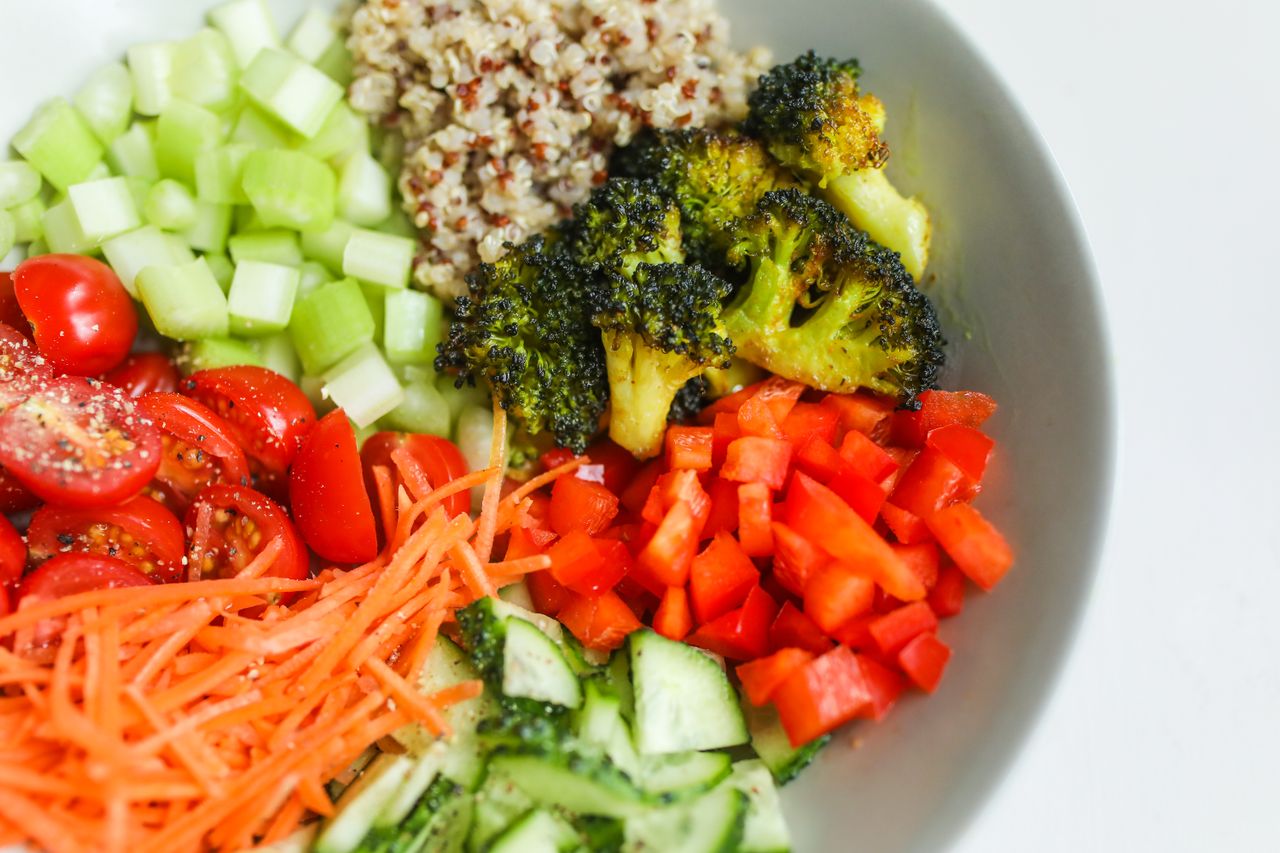
If the goal is to identify the foods that heal the gut the fastest, the most supported strategy combines several elements rather than relying on one superfood. A practical daily approach might include plain yogurt or kefir at breakfast, oats or chia seeds for fiber, a salad with leafy greens and olive oil at lunch, garlic and onion in dinner dishes, and a serving of sauerkraut or kimchi alongside a meal.
Most people notice changes in digestion within a few days, such as reduced bloating or more regular bowel movements, particularly when they cut back on processed foods and increase fiber gradually. Deeper changes in microbiome composition typically take several weeks of consistent eating. Research suggests that diet shifts can alter gut bacteria within days, but lasting benefits depend on long-term habits.
When to See a Doctor
Dietary changes can help many common digestive complaints, but they are not a substitute for medical care. Persistent blood in the stool, unexplained weight loss, severe abdominal pain, fever, or ongoing diarrhea or constipation should be evaluated by a healthcare professional. Conditions such as celiac disease, inflammatory bowel disease, and small intestinal bacterial overgrowth require proper diagnosis and treatment.
Anyone taking medication, managing diabetes, or living with a chronic illness should check with a doctor or registered dietitian before making major dietary changes or starting probiotic supplements.
The foods that support gut healing most effectively are not exotic. Fermented foods with live cultures, high-fiber whole foods, prebiotic vegetables, and polyphenol-rich plants form the foundation of a gut-friendly diet. Combined with hydration, regular meals, and reduced intake of ultra-processed foods, these choices can ease digestive discomfort and support a healthier microbiome over time.
The fastest path to a healthier gut is consistency. Small, steady changes at the dinner table are far more powerful than a single miracle food, and they set the stage for long-term digestive wellness.