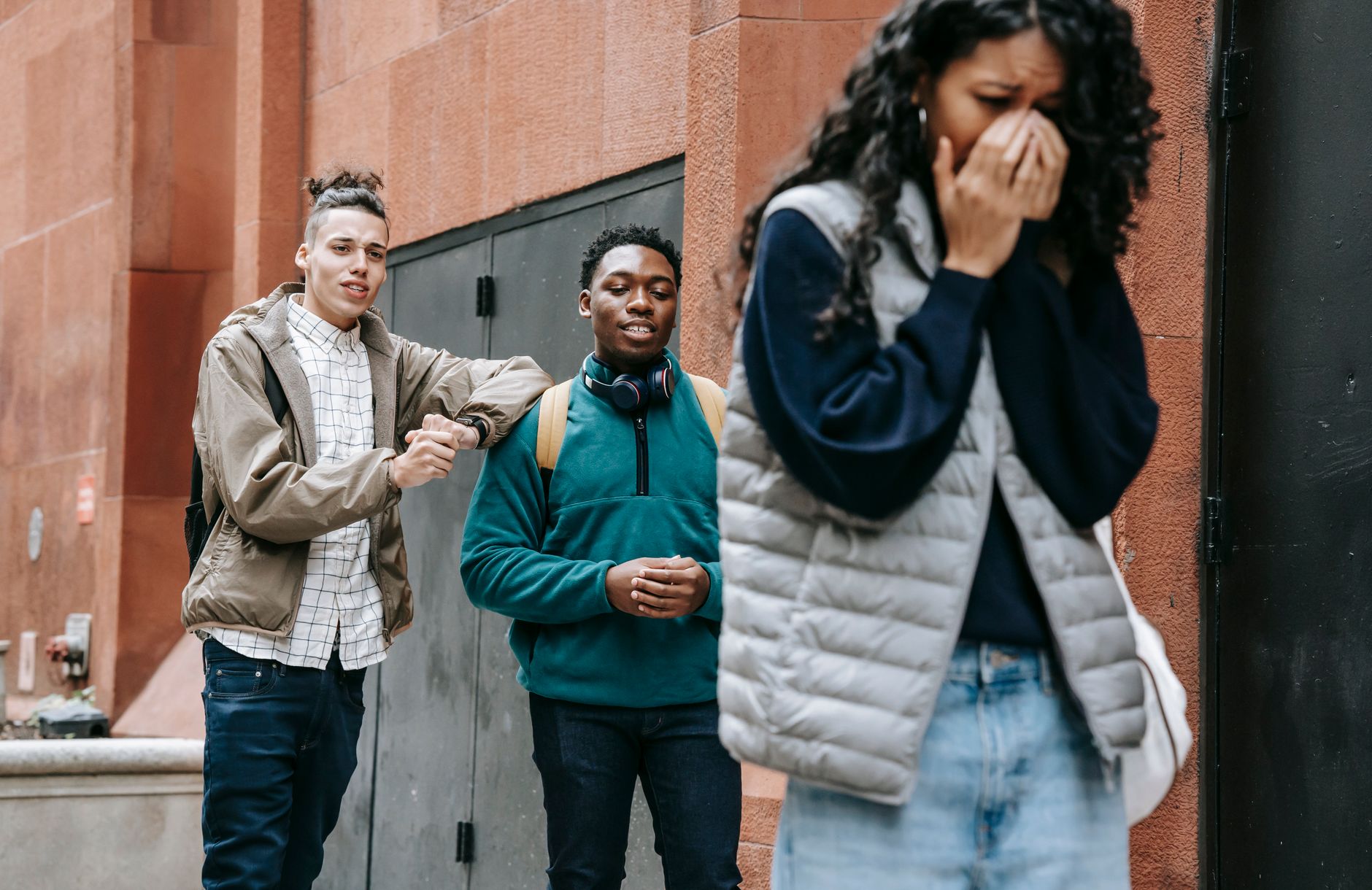
Most people feel nervous before a job interview or a big presentation. Your palms sweat, your heart races, and you rehearse what you will say. For most of us, that tension fades once the moment passes. For people living with social anxiety, though, ordinary interactions such as making a phone call, eating in a crowded cafeteria, or speaking up in a meeting can trigger intense fear that lingers for days.
As conversations about mental health move into living rooms, classrooms, and boardrooms, social anxiety has drawn growing attention. Many people now recognize the symptoms in themselves or their friends. Experts point to several reasons for this shift, from the way we live and work to the constant pressure of being visible online. Understanding what social anxiety is, and why it may be rising, is the first step toward managing it.
What Is Social Anxiety?
Social anxiety, also called social anxiety disorder or social phobia, is a condition in which a person feels intense fear or discomfort in situations involving other people. The fear centers on being judged, embarrassed, rejected, or humiliated. Someone with social anxiety may worry for days before an event, replay conversations afterward, and assume others are noticing every flaw.
Psychologists and psychiatrists distinguish social anxiety disorder from shyness. Shyness is a personality trait that may cause someone to feel quiet or reserved in new settings, but it usually does not interfere significantly with daily life. Social anxiety disorder is a clinical condition. According to the diagnostic criteria in the Diagnostic and Statistical Manual of Mental Disorders (DSM-5), the fear must be persistent, typically lasting six months or more, and it must cause meaningful distress or impairment at school, at work, or in relationships.
The symptoms can be both emotional and physical. Common signs include:
- Racing heartbeat, trembling, blushing, or sweating in social settings
- Nausea or stomach upset before events
- Avoiding eye contact, public speaking, or group activities
- Turning down opportunities, such as promotions or invitations, out of fear
- Fixating on mistakes long after a conversation has ended
Avoidance is one of the most important features. Over time, avoiding feared situations may bring short-term relief, but it reinforces the belief that those situations are dangerous. The anxiety grows stronger, and the person’s world can gradually become smaller.
How Common Is It?
Social anxiety is more widespread than many people realize. Large national surveys in the United States, including the National Comorbidity Survey Replication, have estimated that roughly 7 percent of adults experience social anxiety disorder in a given year, and that about 12 percent will experience it at some point in their lives. The condition usually begins in adolescence, with research suggesting a median age of onset around the early teens.
Globally, the World Health Organization reports that anxiety disorders are among the most common mental health conditions. Before the COVID-19 pandemic, the WHO estimated that more than 300 million people worldwide were living with an anxiety disorder. In its 2022 scientific brief, the organization also reported that anxiety and depression increased substantially in the first year of the pandemic, with global prevalence rising by roughly a quarter.
Despite these numbers, many people with social anxiety never seek help. Some believe their fears are simply part of their personality. Others feel embarrassed to talk about it, or they do not know that effective treatment exists.
Why Is Social Anxiety Becoming More Common?
No single cause explains the rise in social anxiety, and experts are still studying the trends. Still, several factors appear to be shaping how often people experience it and how openly they discuss it.
Greater Awareness and Less Stigma
Part of the apparent increase reflects greater awareness. Public figures, athletes, and content creators have shared their experiences with anxiety, and mental health education has become more common in schools and workplaces. People who once dismissed their symptoms as “just nerves” are now more likely to recognize them as a treatable condition. That visibility can make it look as though the problem is growing faster than it actually is, but the increased openness is also encouraging more people to get diagnosed and supported.
Social Media and the Pressure to Be Seen
Social media has changed how people relate to one another. Platforms reward curated images, instant reactions, and constant comparison. For someone already prone to worry about judgment, a single unflattering photo or a comment with few likes can feel like a public verdict. Researchers have linked heavy social media use with anxiety and low self-esteem, particularly among young people, although the relationship is complex and depends on how and why people use these platforms.
Online communication also reduces the everyday practice of face-to-face interaction. Some experts argue that fewer informal encounters, such as chatting with a cashier or talking with classmates before class, leave people with fewer chances to build social confidence. When in-person interactions feel unfamiliar, they can seem more threatening.
The Lingering Effects of the Pandemic
The pandemic forced many people into isolation for months. Schools closed, offices shifted to remote work, and gatherings were limited or canceled. For children and teenagers in particular, the loss of routine social development came at a critical time. Some young people returned to classrooms with weaker social skills and heightened self-consciousness. Adults who grew used to working from home also reported feeling more anxious about returning to busy offices, meetings, and social events.
Modern Stress and Constant Evaluation
Modern life is demanding. Many people juggle long working hours, financial pressure, caregiving responsibilities, and a constant flow of news and notifications. This modern stress can leave the nervous system in a near-constant state of alert. When the body is already stretched thin, ordinary social situations can feel more overwhelming.
Workplaces also add pressure. Performance reviews, open-plan offices, video calls where everyone can see their own face, and expectations to network can all make social settings feel like tests. For people with social anxiety, each of these situations may feel like an opportunity to be judged.
Economic and Social Uncertainty
Economic instability, job insecurity, and rising living costs can intensify anxiety in general. When people feel financially or socially unsettled, they may become more sensitive to rejection or criticism. Uncertainty about the future can also make people more cautious about trying new things, which may reinforce avoidance.
How Social Anxiety Affects Daily Life
The consequences of social anxiety extend far beyond uncomfortable moments. People may struggle to make friends, maintain relationships, or advance in their careers. Students may skip class presentations or avoid asking teachers for help. Some people withdraw so completely that they feel lonely, which can lead to depression.
Social anxiety often occurs alongside other conditions, including depression, panic disorder, and substance use problems. Some people turn to alcohol to calm their nerves at social events, which can create a cycle of dependence and worsening symptoms. Recognizing these patterns is important, because treating social anxiety can also improve overall well-being.
Coping Strategies That Really Help
The good news is that social anxiety responds well to treatment. Research consistently shows that cognitive behavioral therapy (CBT) is among the most effective approaches. CBT helps people identify distorted thoughts, such as “Everyone will notice if I make a mistake,” and test them against reality. Exposure-based techniques, carried out gradually and with professional guidance, help people face feared situations and learn that their worst predictions rarely come true.
Medication can also play a role. Selective serotonin reuptake inhibitors (SSRIs) and other medications are commonly prescribed for social anxiety disorder, often combined with therapy. A doctor or psychiatrist can help determine whether medication is appropriate.
Beyond professional treatment, several everyday coping strategies can make a meaningful difference:
- Practice slow breathing. Breathing deeply and slowly, with a longer exhale than inhale, can help calm the body’s stress response during anxious moments.
- Take small steps. Rather than forcing yourself into the most frightening situation, begin with manageable goals, such as greeting a neighbor or asking a question in a small group.
- Challenge negative thoughts. Ask yourself what evidence supports your fear and what evidence contradicts it. Often, the imagined audience is far less critical than the anxious mind suggests.
- Limit alcohol and stimulants. Caffeine and alcohol can intensify physical symptoms of anxiety, so moderating them may help.
- Build routines for rest. Regular sleep, physical activity, and time away from screens support emotional resilience.
- Lean on trusted people. Telling a friend or family member how you feel can reduce isolation and make social situations feel less daunting.
Support groups, both in person and online, can also provide a sense of connection. Hearing from others who have faced similar fears can be reassuring and practical.
When to Seek Professional Help
It is worth speaking with a doctor, therapist, or counselor if social anxiety is affecting your work, studies, relationships, or sense of well-being. Warning signs include avoiding important responsibilities, relying on alcohol or other substances to get through social events, experiencing panic attacks, or feeling persistently hopeless. If you are having thoughts of harming yourself, contact a local emergency service or a crisis helpline immediately.
Primary care doctors can often provide an initial assessment and referral. Many universities, workplaces, and community health centers also offer counseling services, and telehealth options have expanded access to therapy in many countries.
A Growing Conversation, and a Hopeful Outlook
Social anxiety is not a character flaw, and it is not a sign of weakness. It is a common, understandable response to fear of judgment, shaped by biology, personal experience, and the environment around us. The increase in cases, whether real or partly the result of greater awareness, reflects the pressures of modern life as much as individual struggles.
What makes this moment encouraging is that more people are talking openly about their experiences, and more resources are available than ever before. With the right support, including therapy, practical coping strategies, and understanding relationships, people with social anxiety can build confidence, reconnect with the world, and live with far less fear. Taking that first step, whether it is a conversation with a trusted friend or a call to a professional, can