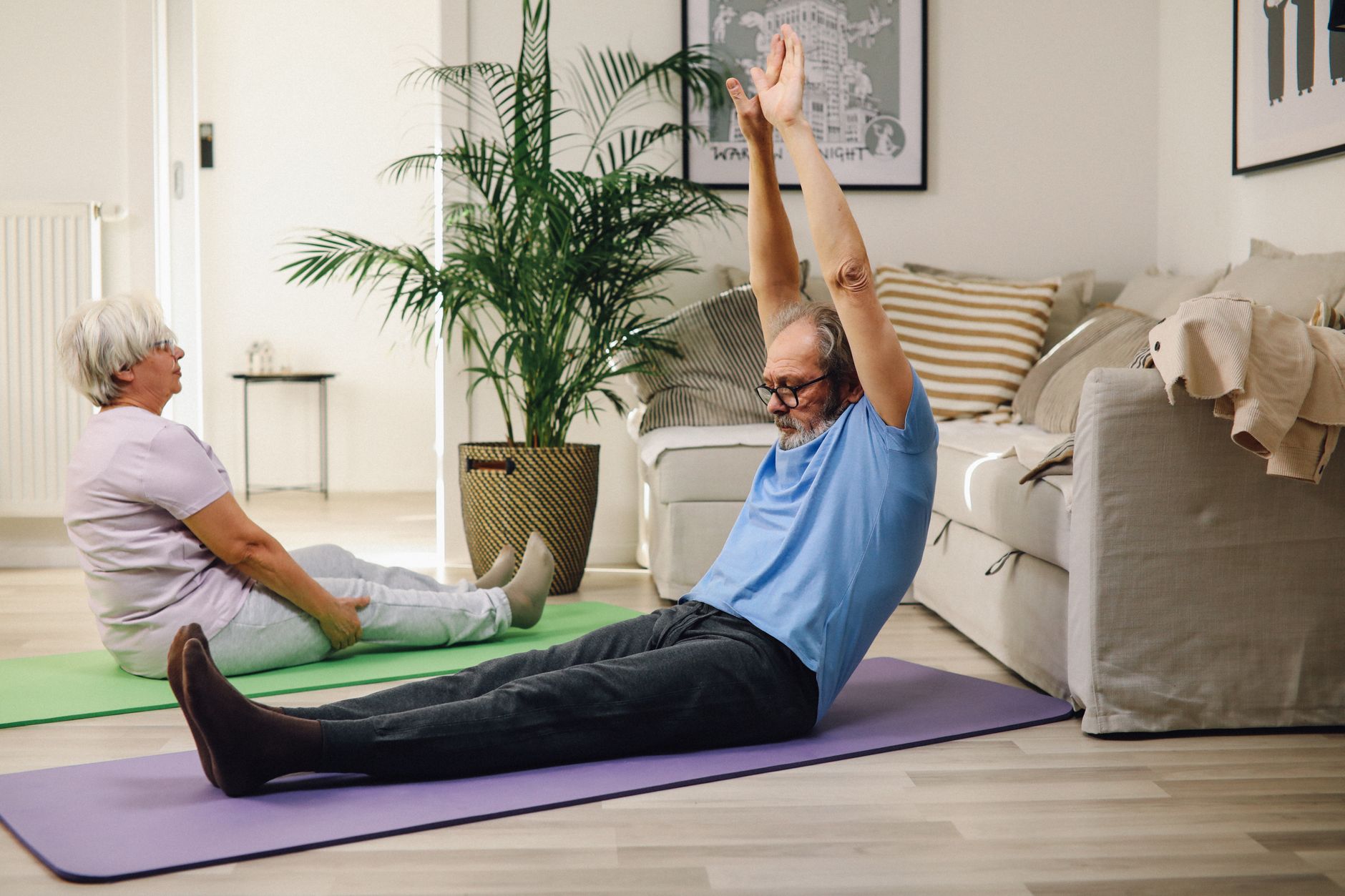
For most of working life, retirement is painted as the ultimate finish line. We dream of endless sleep-ins, morning coffee without the rush-hour commute, and the freedom to travel whenever we please. Decades of early alarms and demanding corporate ladders make the prospect of leaving the workforce feel like entering paradise.
However, beneath the golden promise of leisure lies an unexpected paradox. Gerontologists, psychologists, and public health researchers are increasingly noticing a troubling trend: for many retirees, the sudden halt in daily productivity acts as an accelerator for the aging process. Instead of looking vibrant and rejuvenated, some individuals experience rapid physical and cognitive decline shortly after hanging up their hats.
This phenomenon goes beyond the natural biological clock. It is driven by subtle lifestyle shifts that creep in unnoticed during the transition out of the workforce. Understanding retirement health and identifying these hidden aging factors early can mean the difference between thriving in your golden years and withering away.
The Illusion of Perpetual Rest
Human beings are creatures of habit and rhythm. For decades, our bodies and minds are conditioned to respond to deadlines, social interactions, structural routines, and physical mobility requirements. When retirement arrives, that entire scaffolding vanishes overnight.
While rest is vital for recovery, too much of it becomes detrimental. The body operates on a strict “use it or lose it” policy. Without a compelling reason to get out of bed, many retirees slip into sedentary habits that quietly dismantle their physical resilience.
According to public health data, physical inactivity is one of the leading contributors to biological aging. When muscles are no longer regularly challenged by the demands of commuting, standing, or walking through a workplace, sarcopenia—the age-related loss of muscle mass—accelerates. Furthermore, joint stiffness sets in, cardiovascular efficiency drops, and metabolism slows down significantly. What feels like a well-deserved rest is often viewed by the body as a signal to wind down permanently.
The Erosion of Cognitive Stimulation
Work is rarely just about earning a paycheck; for most people, it serves as a primary source of mental exercise. Whether you are solving complex spreadsheet errors, managing team dynamics, negotiating contracts, or simply navigating office politics, your brain is constantly forced to adapt, strategize, and problem-solve.
When a person retires, the daily demand for high-level cognitive engagement often plummets. Many retirees replace mentally stimulating tasks with passive entertainment, such as watching television, scrolling through social media, or reading light fiction. While these activities have their place, they do not challenge the brain in ways that build cognitive reserve.
Neurologists emphasize that mental stagnation can lead to rapid cognitive aging. Without the requirement to learn new skills or remember intricate details, neural pathways begin to weaken. This subtle mental slowing is often mistaken for normal aging, but it is frequently a direct byproduct of sudden intellectual retirement. Maintaining a healthy retirement requires treating the brain like a muscle that still needs heavy lifting, whether through learning a new language, picking up an instrument, or engaging in complex strategic games.
The Danger of Social Isolation
One of the most profound, yet overlooked, aging factors tied to retirement is the sudden loss of a built-in social network. For better or worse, the workplace provides daily, face-to-face human interaction. We chat at the watercooler, share lunch breaks, vent about bosses, and collaborate on projects.
Once you leave the office, those casual interactions evaporate. Friends who are still working are too busy to hang out during the week, and spouses or family members may not be around all day. This sudden transition can plunge a retiree into social isolation, which has been shown by medical studies to be as damaging to health as smoking 15 cigarettes a day.
Loneliness triggers chronic low-grade inflammation in the body. Over time, this inflammatory response accelerates cellular aging, weakens the immune system, and increases the risk of cardiovascular disease, depression, and dementia. Cultivating a robust social circle outside of work is no longer just a nice hobby; it is a critical survival mechanism for a healthy retirement.
Loss of Purpose and Identity
“What do you do?” It is arguably the most common question adults ask one another at social gatherings. For decades, our answer is tied to our profession. We are accountants, teachers, engineers, or managers. Our work gives us a sense of purpose, utility, and status.
When retirement strips away that title, many individuals experience an existential crisis. Waking up with a completely blank calendar every single day can shift from feeling liberating to feeling utterly meaningless. This loss of purpose is not just an emotional hurdle; it has a profound biological impact.
Psychological research consistently shows that individuals with a strong sense of purpose live longer, healthier lives. Purpose stimulates the release of neurotransmitters that regulate mood, reduce stress hormones like cortisol, and support immune function. Conversely, feeling obsolete or directionless triggers chronic psychological stress, which rapidly accelerates cellular aging at the DNA level by shortening telomeres—the protective caps at the ends of our chromosomes.
Reclaiming Your Golden Years Through an Active Lifestyle
Recognizing these hidden traps is the first step toward reversing them. Retirement should be the chapter of your life where you finally have the time to invest in yourself, not a waiting room for old age.
Transitioning into a truly healthy retirement requires conscious effort and structure. Here is how you can protect yourself from accelerated aging:
- Design a New Routine: Do not leave your days to chance. Create a weekly schedule that includes designated times for physical activity, learning, social engagements, and volunteering or consulting. Structure provides psychological safety and prevents the slide into lethargy.
- Prioritize Functional Fitness: An active lifestyle in retirement does not mean you need to run marathons. Focus on strength training, balance exercises, and daily aerobic movement like brisk walking, swimming, or cycling. Keeping your muscles strong protects your bones, joints, and metabolic health.
- Actively Build Community: Make deliberate efforts to forge new friendships and deepen existing ones. Join local clubs, participate in community workshops, or get involved in group fitness classes. Surrounding yourself with peers who share your interests keeps your social life vibrant.
- Never Stop Learning: Challenge your brain daily. Take up a craft that requires fine motor skills and problem-solving, read challenging non-fiction, or mentor younger generations in your field of expertise.
Retirement is not the end of your story; it is a major plot twist. By staying aware of the hidden pitfalls of inactivity, isolation, and a lack of purpose, you can ensure that your retirement years are defined by vitality, longevity, and genuine fulfillment.