

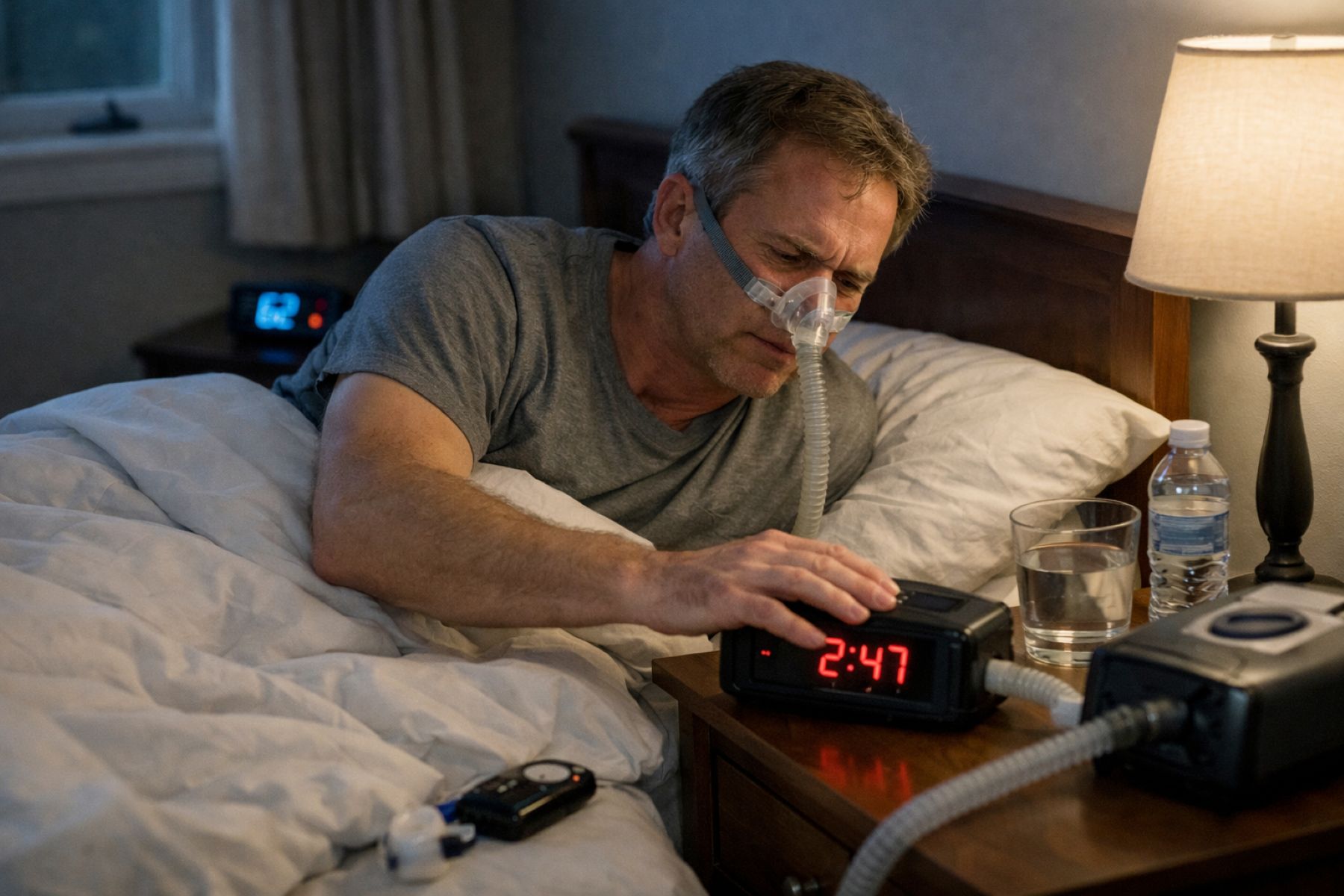
It is a uniquely frustrating experience to find yourself staring at the ceiling in the quiet stillness of the night. While the rest of the world seems to be drifting through a peaceful slumber, your mind is racing and your eyes are wide open. We often blame a loud neighbor or a late-night caffeine habit, but frequently, the reason we find ourselves conscious in the early hours is rooted deep within our own biology. Understanding why this happens is the first step toward reclaiming the rest your body deserves.
Defining Sleep Disruption
Before we explore the specific triggers, it is helpful to understand what we mean by sleep disruption. In a clinical and biological sense, this term refers to any interference that breaks the natural progression of your sleep cycles. A healthy night’s sleep isn’t just one long block of unconsciousness; it is a series of stages ranging from light sleep to deep, restorative REM cycles. When something interrupts this flow, whether it is a physical sensation or a hormonal shift, your brain is jolted out of its restorative process. This leaves you feeling groggy, irritable, and physically taxed the following day.
1. Blood Sugar Levels Drop Sharply
One of the most overlooked culprits of midnight wakefulness is the delicate balance of glucose in your bloodstream. Your brain is a high-energy organ that requires a steady supply of fuel even while you sleep. If your blood sugar levels drop too low during the night—a condition known as nocturnal hypoglycemia—your body treats it as an internal emergency.
To rectify this drop, your adrenal glands release hormones like glucagon and cortisol. These hormones tell your liver to release stored glucose to stabilize your levels. However, cortisol is also a “stress hormone” that promotes alertness. Consequently, the very process meant to keep your brain fueled ends up snapping you wide awake, often leaving you feeling hungry or slightly anxious in the middle of the night.
2. Chronic Stress Triggers Cortisol Spikes
In a perfectly balanced system, your cortisol levels should be at their lowest point around midnight, allowing your body to sink into deep repair. However, when we carry the weight of chronic stress from our daily lives into our bedrooms, our internal clock becomes skewed. High levels of sustained stress keep the sympathetic nervous system on high alert, creating a state of hyperarousal.
When you have a “stress spike” during the night, your body essentially thinks it needs to be ready for a challenge. Instead of transitioning smoothly between sleep cycles, your brain stays in a lighter state of sleep, making you highly susceptible to waking up at the slightest internal or external cue. This creates a cycle where the worry about not sleeping leads to more stress, which further fuels the sleep disruption.
3. Sleep Apnea Causes Breathing Pauses
Physical obstructions or neurological signals can also play a major role in why you can’t stay asleep. Sleep apnea is a condition where your breathing repeatedly stops and starts throughout the night. When your brain realizes it isn’t receiving enough oxygen, it momentarily rouses you from sleep to reopen your airway.
Many people who experience this form of sleep disruption don’t even realize they have woken up to breathe; they simply feel like they are “light sleepers” or find themselves awake without a clear reason. Over time, these micro-wakes prevent you from reaching the deep, restorative stages of sleep, leaving your cardiovascular system under significant strain and your mind feeling clouded the next morning.
4. Overactive Bladder Disrupts Sleep Cycles
The physical need to use the bathroom, known as nocturia, is a very common reason for broken sleep. While it might seem like a simple inconvenience, frequent trips to the bathroom can be linked to everything from your fluid intake patterns to underlying sensitivities. When the bladder signals the brain that it is full, it overrides the sleep drive, forcing you into a state of full consciousness.
Once you are out of bed and moving in a brightly lit bathroom, your body temperature rises and your heart rate increases. This makes it significantly harder to fall back into a deep sleep state once you return to bed. Managing this often requires looking at your evening habits, such as reducing fluid intake in the two hours before bed or checking for irritants in your diet that might be affecting bladder control.
5. Improper Bedroom Temperature Affects Regulation
Your body’s core temperature needs to drop by a few degrees to initiate and maintain deep sleep. If your bedroom is too warm, or if your bedding traps too much heat, your body struggles to reach that thermal “sweet spot.” This struggle can lead to restlessness and frequent waking as your system tries to cool itself down through sweating or tossing and turning.
An overly warm environment acts as a constant stimulant to your metabolism. Instead of resting, your body is working hard to thermoregulate. Maintaining a cool, ventilated room—typically suggested to be around 65 degrees Fahrenheit—helps support your natural circadian rhythm. When the environment matches your body’s biological needs, the likelihood of a midnight sleep disruption decreases significantly.
Navigating the complexities of sleep disruption requires a bit of detective work and a lot of self-compassion. Whether the cause is a dip in blood sugar, the weight of a stressful week, or the temperature of your room, your body is simply trying to communicate its needs to you. By listening to these signals and making small, supportive changes to your environment and routine, you can move away from the frustration of midnight wakefulness and toward the deep, healing rest you deserve.