

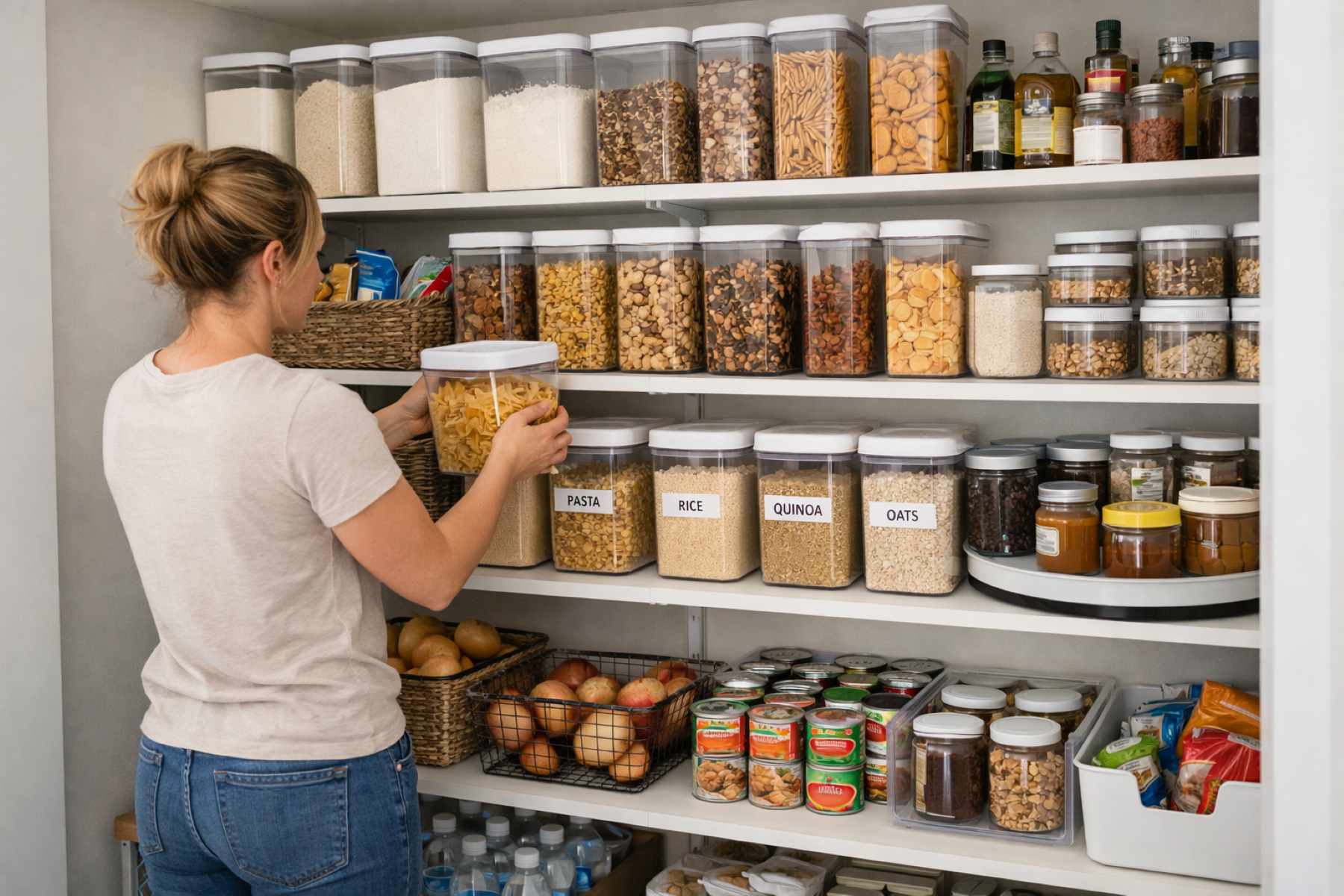
We have all been there—standing in front of a crowded pantry, staring at stacks of cans and half-empty boxes, yet somehow feeling like there is absolutely nothing to eat. It is a common frustration that often stems not from a lack of food, but from a lack of visibility. When our kitchen storage becomes a cluttered catch-all, meal prep feels like a chore and grocery shopping turns into a guessing game. Embracing a thoughtful approach to pantry organization is about more than just aesthetics; it is about reclaiming your time and creating a serene environment that supports your daily rhythm.
Understanding the Essence of Pantry Organization
At its core, pantry organization is the systematic arrangement of food items and kitchen supplies to maximize accessibility, visibility, and shelf life. It is not merely about buying matching bins or making things look “Pinterest-perfect.” Rather, it is a functional strategy designed to reduce food waste, save money by preventing duplicate purchases, and streamline the cooking process. When your pantry is organized, you can see exactly what you have at a glance, allowing your kitchen to function as the heart of the home rather than a source of stress.
Assess Your Current Pantry Inventory Thoroughly
The first step toward a functional space is a complete audit. It might feel overwhelming to empty every single shelf, but starting with a blank slate is the only way to truly understand the potential of your space. As you pull items out, place them on your kitchen island or dining table. This process allows you to see the sheer volume of what you own. You might be surprised to find three bags of brown sugar or a collection of specialty spices you forgot you purchased for a single recipe last year. Taking stock helps you face the reality of your consumption habits before you begin the rebuilding phase.
Categorize Items by Food Groups
Once everything is out in the open, start sorting your items into logical “zones” or categories. Think of this like your own personal mini-grocery store. You might group baking essentials together, create a dedicated corner for grains and pastas, and keep snacks in their own designated area. By grouping similar items, you eliminate the need to hunt through different shelves for the same type of ingredient. This categorization makes it much easier for everyone in the household to find what they need and, perhaps more importantly, put things back where they belong.
Dispose of Expired Food Products
During the sorting process, it is vital to be diligent about expiration dates. It is easy for a can of beans or a box of crackers to migrate to the back of a shelf and stay there for years. Check every label carefully. If an item is past its prime, it is time to let it go. For items that are still safe to eat but you know your family won’t consume, consider setting them aside for a local food bank. Clearing out the “dead weight” instantly creates more breathing room and ensures that everything taking up space in your pantry is actually useful and safe to eat.
Wipe Down All Shelf Surfaces
With the shelves completely empty, take the opportunity to give the interior of your pantry a deep clean. Dust, crumbs, and sticky spills tend to accumulate in the corners of food storage areas, which can attract unwanted pests. Use a gentle, food-safe cleaner and a microfiber cloth to wipe down every surface from top to bottom. If your shelves are wire, a vacuum attachment can help clear out debris before wiping. Starting with a sparkling clean foundation makes the final result feel much more rewarding and hygienic.
Measure Internal Pantry Dimensions Accurately
Before you head out to buy any storage solutions, you must know your numbers. Grab a measuring tape and record the height, width, and depth of every shelf. Don’t forget to account for any obstructions like door hinges or light fixtures. Many people make the mistake of buying beautiful bins only to realize they are an inch too deep for the door to close. Having these measurements on hand ensures that every dollar you spend on containers is an investment that actually fits your specific architecture.
Purchase Clear Airtight Storage Containers
When it comes to maintaining freshness and visibility, clear airtight containers are a game-changer. Decanting dry goods like flour, sugar, cereal, and snacks into uniform jars does more than just look tidy; it protects your food from moisture and pests while allowing you to see exactly when you are running low. Opt for stackable shapes to make the most of your vertical space. Being able to see the contents of your containers at a glance prevents the “hidden clutter” that occurs with opaque original packaging.
Group Daily Essentials at Eye-Level
Efficiency is all about “prime real estate.” The shelves that sit between your chest and eye level should be reserved for the items you reach for every single day. For most families, this includes things like coffee, school lunch snacks, or frequently used grains. Items that are only used occasionally, such as holiday baking supplies or large stockpots, should be moved to the very top or bottom shelves. By placing your most-used items in the easiest-to-reach spots, you reduce the physical strain of cooking and keep the pantry looking orderly for longer.
Apply Legible Labels to Containers
Even with clear containers, labeling is the secret ingredient to long-term organization. A simple label identifying the contents—and perhaps the expiration date or cooking instructions—removes any guesswork for other family members. You don’t need an expensive label maker; a simple chalk marker or even a piece of masking tape and a permanent marker can work wonders. Labels act as a silent guide, reminding everyone exactly where the lentils go so that the system you worked so hard to build doesn’t fall apart within a week.
Implement a First-In, First-Out Rotation System
To truly master pantry organization, you should adopt the “First-In, First-Out” (FIFO) method used in professional kitchens. When you come home with new groceries, place the newer items behind the older ones. This ensures that you are always using the oldest stock first, significantly reducing the likelihood of food going to waste. It is a small habit that takes only a few extra seconds during put-away time, but it pays off by keeping your inventory fresh and your spending in check.
Schedule Monthly Maintenance Deep Cleans
Finally, remember that organization is a journey, not a destination. Even the best systems need a little “tune-up” every now and then. Set a recurring reminder on your calendar to spend fifteen minutes once a month tidying up the shelves. During this time, you can straighten out any stray items, wipe away new crumbs, and check for anything nearing its expiration date. This proactive approach prevents clutter from accumulating again and keeps your pantry a functional, inspiring space for all your culinary adventures.