

When a child reaches the milestone age of ten, they stand at a fascinating crossroads in their development. They are no longer toddlers navigating the basic rules of the world, nor are they yet teenagers grappling with the complex identity shifts of adolescence. Often referred to as “tweens,” ten-year-olds possess the cognitive maturity, physical coordination, and emotional capacity to begin taking on real responsibility. This transitional phase is the absolute goldmine period for parents and educators to introduce and solidify fundamental life skills for 10 year olds that will pave the way for future independence.
In today’s fast-paced, digital world, academic excellence alone is no longer enough to guarantee a child’s future success. While math, science, and literacy form the bedrock of formal education, the invisible curriculum—the practical, emotional, and social competencies often learned outside the classroom—ultimately dictates how well a person navigates adulthood. Equipping a ten-year-old with these essential tools not only eases the daily burden on caregivers but also builds unshakeable self-esteem. When a child masters a task independently, their brain registers a powerful message: “I am capable, I am resourceful, and I can handle the world.”
Let us delve into the essential life skills every ten-year-old child should master, categorized for clarity and actionable implementation.
Foundational Personal Care and Hygiene
At age ten, children should be taking the primary reins of their personal hygiene and daily routines. While parents may have meticulously managed bath times and outfit choices in the past, this is the decade of transition toward autonomous self-care.
Personal hygiene habits must shift from parental reminders to automatic personal routines. Ten-year-olds should understand the science behind why they need to bathe regularly, use deodorant as puberty approaches, brush and floss their teeth effectively, and wash their hands thoroughly before eating and after using the restroom. These are not merely chores; they are foundational acts of self-respect and health management.
Furthermore, managing a personal routine involves the clock. A ten-year-old should be learning how to wake up to an alarm, dress appropriately for the weather forecast without constant supervision, and pack their own school bag the night before. This reduces morning chaos and teaches the executive functioning skills of planning and foresight.
Domestic Competencies and Household Contribution
A home is a shared ecosystem, and a ten-year-old is more than capable of being an active, contributing member of that community. Moving away from the concept of “doing chores for allowance” toward “contributing because we live here” fosters a strong sense of responsibility and belonging.
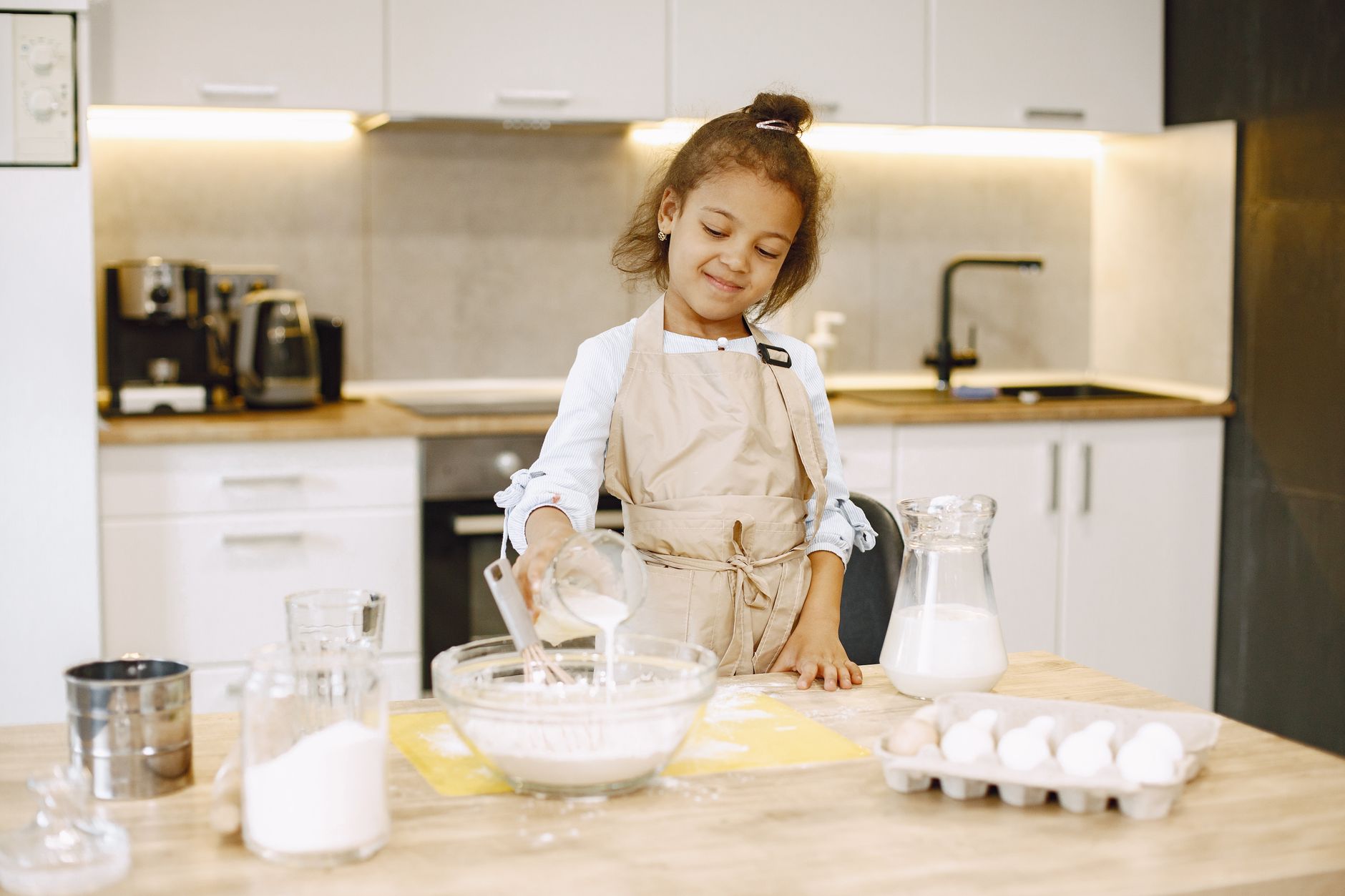
Basic culinary literacy is one of the most empowering skills a child can learn at this age. Without letting them loose near an open flame unsupervised, parents can teach ten-year-olds how to prepare simple, nutritious meals. This includes making a balanced breakfast, assembling a healthy lunch, operating a toaster safely, using a microwave correctly, and mastering basic knife skills with butter knives or soft fruits. They should also learn kitchen safety, such as wiping down counters and understanding basic food hygiene.
Beyond the kitchen, household management skills should include:
- Doing a basic load of laundry: sorting lights and darks, loading the machine, and folding their own clothes.
- Keeping their bedroom organized, including changing their own bedsheets.
- Assisting with meal cleanup by loading the dishwasher and clearing the dinner table.
- Taking out the household recycling and trash.
When children see that their contribution keeps the household running smoothly, their self-worth naturally grows.
Financial Literacy and Money Management
We live in an increasingly cashless society where money often appears as a magical number on a screen or a plastic card. Because of this abstraction, financial literacy is one of the most critical life skills for 10 year olds to grasp early. Without financial education, children grow into adults who struggle with debt and impulse buying.
At age ten, children can fully grasp the concepts of earning, saving, and spending. Parents can introduce a modest allowance system tied to extra household contributions, or monetary gifts from relatives, to serve as a practical economic laboratory.
Children should learn to divide their money into three distinct categories: spending, saving, and giving. The spending jar allows them immediate gratification for small items they desire. The saving jar teaches delayed gratification, showing them how setting aside funds over weeks or months leads to larger, more meaningful purchases. The giving jar introduces empathy and philanthropy, allowing them to donate to a cause, animal shelter, or purchase a gift for someone in need.
Additionally, ten-year-olds can be introduced to the concept of comparative shopping. When at the grocery store or toy shop, encourage them to look at price tags, calculate unit prices, and decide whether an item is genuinely worth its cost.
Emotional Regulation and Resilience
The emotional landscape of a ten-year-old is beginning to mirror the complexities of the teenage years. Hormonal shifts, social pressures at school, and academic expectations can sometimes trigger overwhelming feelings. Therefore, emotional intelligence and resilience are non-negotiable life skills.
Children at this age must learn how to identify, articulate, and process their emotions constructively. Instead of reacting with tantrums, door-slamming, or complete withdrawal, they should be guided to use “I” statements to express their frustrations. For example, replacing “You never listen to me!” with “I feel frustrated when I am interrupted.”
Resilience is forged through failure. As tempting as it is for modern parents to swoop in and rescue their children from every forgotten homework assignment or social slight, doing so robs them of essential growth. Let ten-year-olds experience natural consequences. If they forget their jacket, let them feel a bit chilly so they remember it next time. If they fail a test because they didn’t study, use it as a coaching moment on study habits rather than blaming the teacher. Overcoming these minor adversities builds the psychological armor needed for adult life.
Social Skills and Effective Communication
Humans are social creatures, and the ability to interact harmoniously with diverse groups of people is a cornerstone of happiness and success. By age ten, children should be expanding their social circles beyond immediate family and schoolyard best friends.
Effective communication involves both speaking clearly and listening actively. Ten-year-olds should be taught basic conversational etiquette: looking people in the eye when speaking, not interrupting others, and asking open-ended questions to show genuine interest in peers and adults.
Conflict resolution is another vital component of social competence. Disagreements among friends are inevitable at this age. Instead of adults immediately stepping in to referee, children should be coached on how to negotiate compromises, apologize sincerely when they are in the wrong, and forgive others.
Furthermore, digital citizenship must be addressed. Many ten-year-olds have access to smartphones, tablets, or gaming consoles with chat features. Teaching them online safety, the permanence of digital footprints, and the importance of digital empathy—understanding that real human feelings exist behind computer screens—is paramount.
Critical Thinking and Problem-Solving
We are preparing our children for a workforce and world that we cannot yet fully imagine, driven by rapid technological advancements and shifting global landscapes. Rote memorization is no longer the key to success; critical thinking is.
A ten-year-old should be encouraged to question the world around them rather than accepting everything at face value. Parents and educators can foster this by encouraging inquiry-based thinking. When a child asks a question, instead of giving an immediate answer, prompt them with: “What do you think, and why?”
Problem-solving skills can be practiced through everyday logistics. For instance, if a family outing hits a snag—like a rained-out picnic—involve the ten-year-old in brainstorming alternative plans. “It’s raining, and our park plan is ruined. What are three things we could do instead?” This shifts the child’s mindset from passive victim of circumstance to active problem-solver.
Basic Safety and Urban Navigation
Independence requires safety awareness. A ten-year-old is reaching an age where they may occasionally walk a short distance home from school, stay home alone for an hour, or navigate a public park with friends nearby.
Essential safety life skills for 10 year olds include:
- Memorizing critical phone numbers (parents’ numbers, emergency services) and their home address.
- Knowing what to do if they get lost in a public space.
- Understanding basic first aid, such as cleaning and bandaging a minor scrape, or knowing when to apply an ice pack.
- Knowing how to safely cross busy streets, looking both ways, and putting away distractions like phones or headphones while walking near traffic.
- Understanding stranger danger versus trusted adults, and knowing the rule of bodily autonomy—that they have the right to say “no” to unwanted physical contact, even from relatives.
The Role of Parents and Educators in Skill Mastery
Mastering life skills is not a destination achieved overnight; it is a gradual, iterative process rooted in patience, consistency, and modeling. Children learn far more from watching what adults do than from listening to what adults say. If we want our ten-year-olds to be organized, resilient, and financially responsible, we must model those exact behaviors in our own lives.
The transition from doing everything for a child to doing things with them, and finally letting them do things by themselves, requires a deliberate shift in parenting style. It is often much faster and cleaner for a parent to fold the laundry or pack the school lunch. However, prioritizing speed over skill-building strips the child of an opportunity to grow.
Equipping a child with essential life skills for 10 year olds is the ultimate gift of empowerment. By intentionally nurturing their personal hygiene, domestic competence, financial literacy, emotional resilience, social grace, and problem-solving abilities, we lay down a sturdy scaffolding for their future. When a ten-year-old steps out into the world with these competencies under their belt, they carry something far more valuable than top-tier grades: they carry the quiet, unshakeable confidence of knowing that no matter what challenges life throws their way, they have the practical tools to handle them.