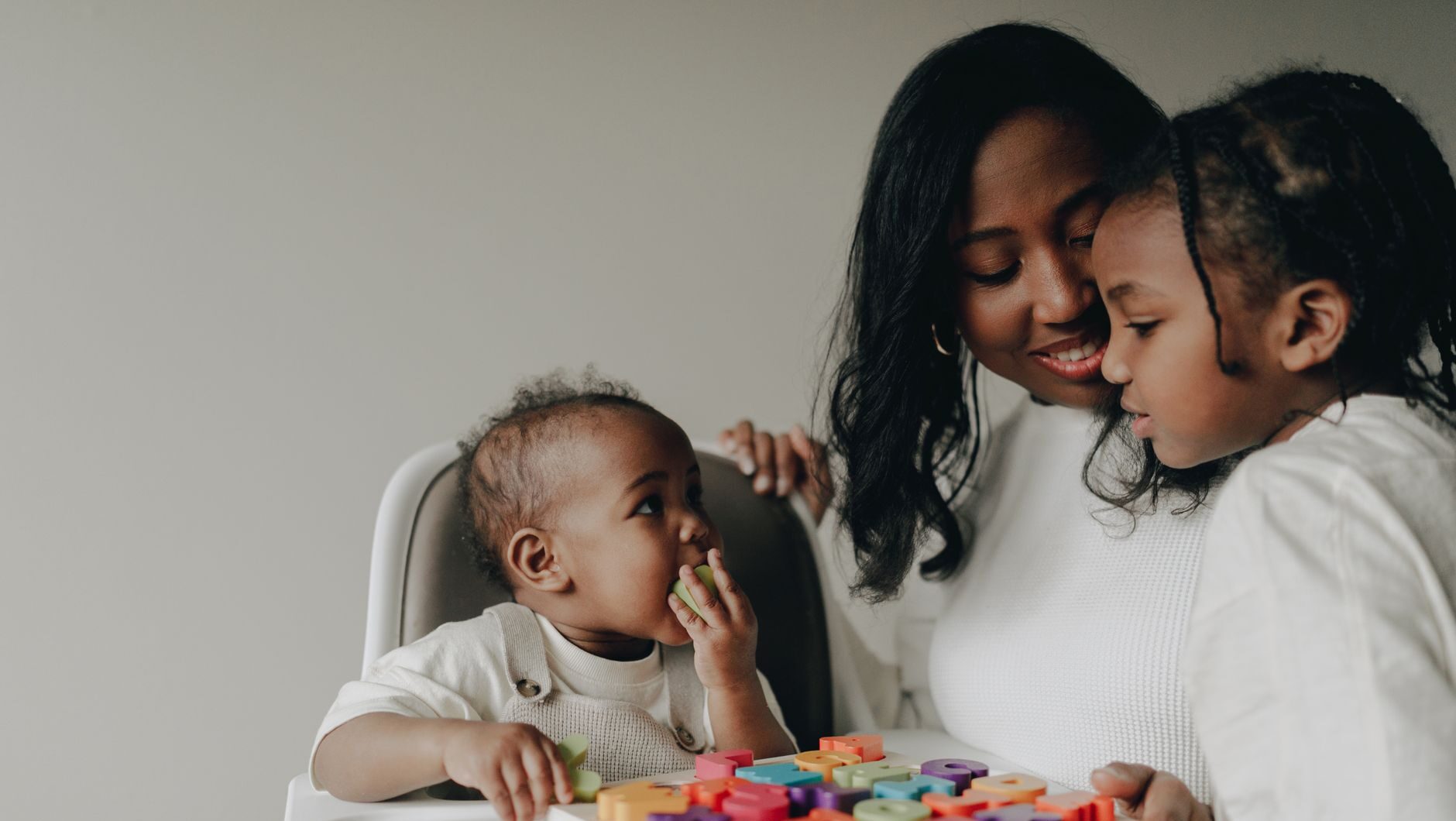
Few things test a parent’s patience like a toddler who screams in the cereal aisle, bites a playmate at the park, or suddenly refuses to sleep in their own bed. Many parents assume something has gone wrong when they see these behaviors. In most cases, nothing has. They are typical stages of child development, and they often signal that a young brain is learning to handle big feelings, new skills, and growing independence.
Understanding these stages can make a real difference. When parents know what to expect, they can respond with calm and confidence instead of panic. This guide walks through some of the most worrying-looking behaviors, explains why they happen, and offers practical parenting advice on what to do. It also covers the signs that do call for a closer look from a pediatrician.
Tantrums That Seem to Come Out of Nowhere
Few behaviors alarm parents as quickly as a full-blown tantrum. One moment a toddler is happily stacking blocks, and the next they are sobbing on the floor, kicking, and refusing to be comforted. Public meltdowns can feel especially embarrassing.
Tantrums are most common between roughly 12 months and 3 years of age, according to guidance from the American Academy of Pediatrics. At this age, children have strong desires and emotions but very limited language to express them. They know what they want, but they cannot always say it or control the frustration that comes when they cannot get it. A tantrum is often the result of a brain that has outpaced its vocabulary and self-control.
Experts generally recommend staying calm, keeping the environment safe, and avoiding the temptation to give in just to stop the noise. Naming the feeling, such as “You’re really angry that we have to leave the park,” can help a child begin to recognize emotions. Once the storm passes, a simple hug and a return to normal routines usually works better than a long lecture.
Biting, Hitting, and Pushing Other Children
Few things are more uncomfortable for a parent than watching their child bite or hit another kid at daycare. Many families feel embarrassed or worry that the behavior says something negative about their child’s character.
In reality, physical aggression is common in toddlers and preschoolers. These children are still learning how to share, take turns, and express frustration with words. When a toy is taken or a friend gets too close, a bite or shove can be the fastest way to communicate “This is mine” or “Stop.” Researchers who study early childhood behavior generally view these incidents as skill gaps rather than signs of a violent nature.
Consistent responses help. Calmly stepping in, keeping the child and the other kid safe, and explaining the impact in simple words (“Biting hurts. Teeth are not for people”) tends to work better than harsh punishment. Offering alternatives, such as saying “I need a turn” or “Can I have that when you’re done?”, gives children a more constructive way to express themselves over time.
Clinginess and Separation Anxiety
Some parents are surprised when a child who once happily waved goodbye suddenly screams whenever they leave the room. This pattern, known as separation anxiety, typically appears somewhere around 8 to 18 months and can return during later transitions such as starting preschool.
It is a sign that a child has developed a strong attachment and understands that people can disappear. Their memory and sense of object permanence are improving, but they are not yet confident that a parent will come back. Clinginess can be exhausting, especially when a parent needs to work or simply take a shower in peace.
Predictable goodbye routines can ease the transition. A short, cheerful farewell, a consistent phrase such as “I’ll see you after snack time,” and a reliable pickup time all help a child learn that separations are temporary. Most children gradually grow more secure, and the anxiety fades as their trust in routines grows.
The Endless “No” Phase
Around the age of two, many children seem to discover the power of the word “no.” Requests for a bath, a meal, or a nap are met with an immediate refusal, even when the child clearly wants the thing being offered. Parents may wonder whether they are raising a defiant child.
This stage is often described as a normal step toward autonomy. Toddlers are learning that they are separate people with their own preferences. Saying “no” is one of the first ways they test that independence. Developmental psychologists often view it as an early milestone in self-identity rather than a sign of bad behavior.
Parents can make the stage easier by offering limited, meaningful choices. Asking “Do you want the red cup or the blue cup?” gives a child a sense of control while the parent still decides what is acceptable. Keeping rules consistent and expectations realistic also helps a child feel secure, even while pushing boundaries.
Sleep Troubles and Night Wakings
Sleep disruption is one of the most common complaints among parents of young children. A toddler who slept through the night for months may suddenly start waking repeatedly, crawling into a parent’s bed, or refusing to stay in their room.
Sleep changes often coincide with major developmental leaps. Learning to walk, talk, or climb can make a child’s brain too active to settle easily. Teething, illness, and changes in routine can also play a role. Separation anxiety and nightmares become more common in the toddler and preschool years, too, as imagination develops.
A consistent bedtime routine, with a bath, a book, and a calm goodnight, can help signal that it is time to sleep. Keeping nighttime responses boring and brief, rather than turning them into play sessions, helps children learn to settle themselves. If sleep problems persist for a long time or are paired with snoring, gasping, or daytime exhaustion, a pediatrician should be consulted.
Potty Training Setbacks
A child who has been using the toilet confidently for months may suddenly start having accidents again. This can be frustrating, especially when a parent has invested time and patience in toilet training.
These setbacks, sometimes called regression, are very common. They are often linked to stress, such as a new sibling, a move, or starting daycare. Sometimes a child is simply busy with another skill and temporarily sets aside the one they had mastered. Pressure or punishment can make the problem worse by making the child feel anxious about the bathroom.
Calm reminders, a relaxed tone, and extra praise for successes usually work better than scolding. If a child seems fearful or refuses to use the toilet for an extended period, it may help to talk with a pediatrician, who can rule out physical issues such as constipation or urinary concerns.
Imaginary Friends, Monsters, and Fears
Parents sometimes feel uneasy when a preschooler starts talking to an invisible friend, insisting there is a monster under the bed, or refusing to watch a cartoon that seems harmless. These imaginative experiences are part of healthy cognitive development.
Between roughly ages three and six, children are developing the ability to pretend, reason about hypothetical situations, and separate fantasy from reality. That same skill can make them more aware of things that could go wrong, such as the dark or being left alone. Imaginary companions are generally seen as a sign of creativity and social thinking.
Taking fears seriously without reinforcing them tends to work best. Acknowledging a child’s feelings (“I can see you’re scared of the dark”) while offering reassurance, such as a nightlight or a quick check of the closet together, helps build confidence over time. Bedtime stories that feature brave characters can also help.
Lying and Testing the Rules
Few parents enjoy discovering that their child has lied about brushing teeth or hidden a broken toy. It can feel like a serious moral failing, but for young children, lying is usually a sign of developing thinking rather than deep dishonesty.
Preschoolers are learning the difference between what they know and what others know, and they may not yet fully grasp the concept of truth. A child might say “I didn’t do it” simply because they want to avoid getting in trouble. Testing limits is also a normal part of learning how the world works.
Responding with calm questions and focusing on honesty as a family value tends to be more effective than harsh accusations. Praising a child for telling the truth, even when they made a mistake, can encourage them to keep being open.
When to Talk to a Doctor
While most of these behaviors are part of typical development, some patterns deserve professional attention. Parents should contact a pediatrician if a child loses skills they previously had, shows little interest in people or communication, has extreme difficulty with eating or sleeping for a long period, or displays aggression that puts themselves or others at serious risk. Developmental milestone checklists from the Centers for Disease Control and Prevention can offer helpful reference points, and early evaluation can make a meaningful difference when a concern is real.
Trust your instincts. Parents know their children best, and a conversation with a healthcare provider is never a waste of time.
Many of the behaviors that alarm parents most are signs of a healthy, growing child. Tantrums, clinginess, the constant “no,” and sudden fears all reflect a developing brain that is learning to manage emotions, relationships, and independence. They can be exhausting, but they are rarely permanent, and most children move through them with steady guidance and patience.
For parents, the most useful approach is often simple: stay calm, keep routines consistent, name feelings, and remember that this phase will pass. Every tough moment is also a chance to help a child learn skills that will last well beyond the toddler years.