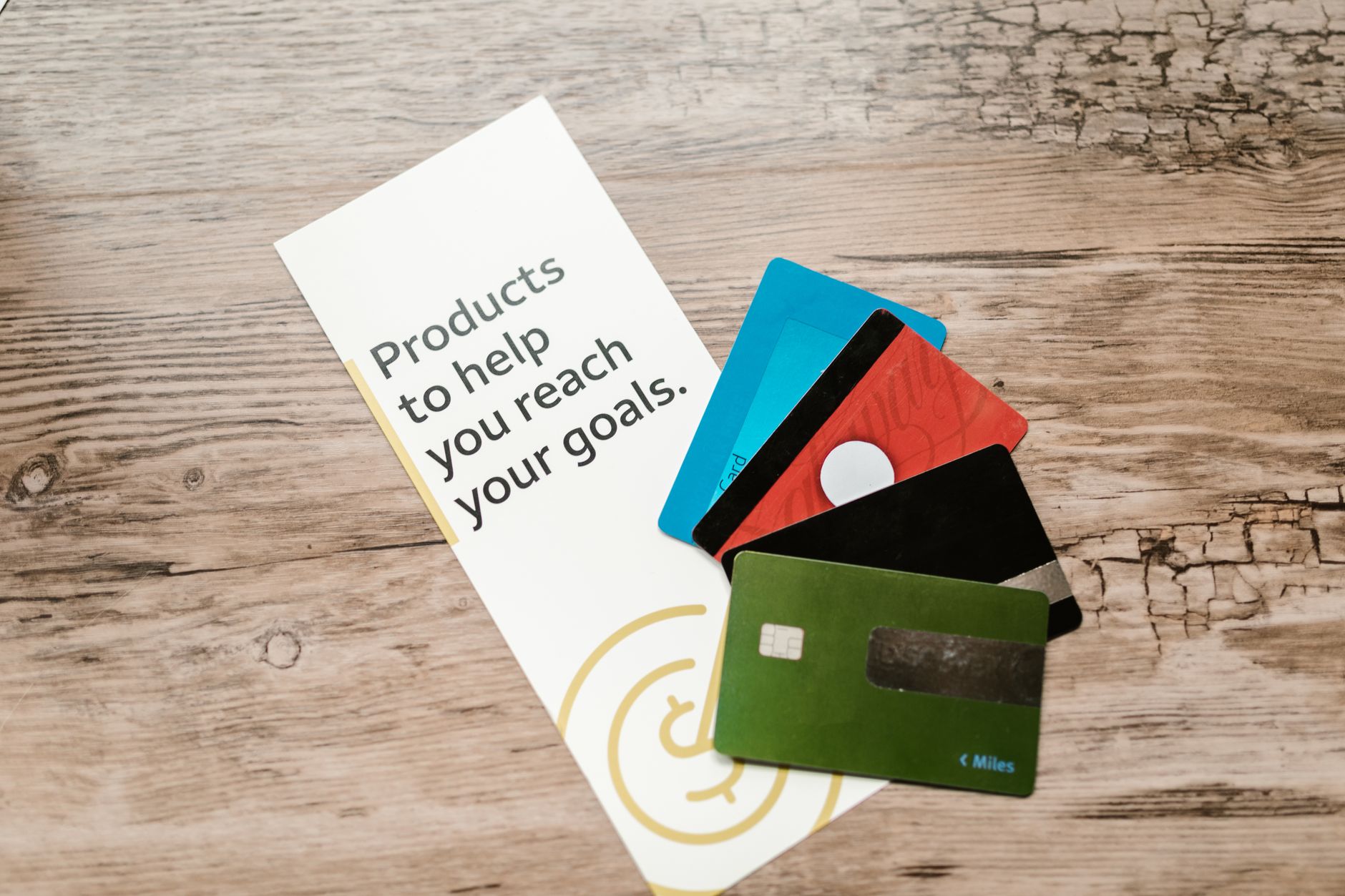
Credit cards can be useful tools. They offer fraud protection, build credit history, and can earn rewards on everyday spending. But they also cost people billions of dollars a year in interest and fees, often because of habits that seem harmless at first. Financial experts repeatedly point to the same handful of mistakes that turn a convenient payment method into a long-term debt problem.
With the average credit card APR hovering around 21% according to Federal Reserve data, the cost of getting it wrong has never been higher. Here is what experts say to avoid, and how to correct course if you have already made one of these errors.
Paying Only the Minimum
The minimum payment is designed to keep your account in good standing, not to help you get out of debt. It is usually a small percentage of your balance plus interest and fees, so most of what you pay goes toward interest rather than the principal.
Consider a $5,000 balance at around 21% APR. If you pay only the minimum each month, it can take many years to clear the debt, and the total interest paid may exceed the original purchase price. Experts recommend paying the full statement balance whenever possible. If that is not realistic right now, pay as much above the minimum as your budget allows, and prioritize the card with the highest interest rate.
Missing Payment Deadlines
Late payments are among the most damaging mistakes a cardholder can make. Lenders typically report payments that are 30 or more days past due to the major credit bureaus, and a single late mark can drop a credit score significantly. The effects can linger for years.
Many cards also impose a penalty APR, which can jump to nearly 30% after a missed payment. Setting up automatic payments for at least the minimum amount is a simple safeguard. Calendar reminders or alerts from your card issuer can help you stay on track for the rest of your balance.
Carrying a Balance Without Understanding Interest
Many people assume that carrying a small balance is harmless. In reality, most credit cards charge interest on the balance you carry from one month to the next, and the grace period that protects you from interest on new purchases typically disappears once you carry a balance.
Interest is usually calculated daily based on your average daily balance and the card’s annual percentage rate. That means even a modest balance can grow quickly if it is not paid down. Reading your monthly statement carefully, paying in full whenever you can, and understanding how your card’s grace period works are essential habits.
Ignoring Your Credit Utilization
Credit utilization, the share of your available credit that you are using, is one of the main factors in most credit scoring models. Financial educators generally suggest keeping utilization below 30% of your total limit, and lower is even better for your score.
Many people do not realize that a high balance can hurt their score even when they pay on time. If you have a $10,000 limit and carry $8,000 in balances, your utilization is 80%, which can weigh heavily against you. Paying down balances before the statement closing date, when your issuer reports to the bureaus, can help keep utilization lower in the eyes of lenders.
Taking Cash Advances
A cash advance may seem like a quick fix when money is tight, but it is one of the most expensive ways to borrow. Cash advances usually come with an upfront fee, often around 3% to 5% of the amount withdrawn, and they begin accruing interest immediately with no grace period. The cash advance APR is often higher than the standard purchase rate.
Experts generally advise treating cash advances as a last resort. If you are facing a short-term cash shortage, it is often cheaper to speak with your card issuer about hardship options, look into a small personal loan, or seek assistance from a community lender.
Opening Too Many Cards
Applying for several cards in a short period can create problems. Each application typically triggers a hard inquiry on your credit report, which can temporarily lower your score. Opening multiple accounts can also make it harder to keep track of due dates, balances, and annual fees.
There is a more subtle risk too. Having many cards with available credit can tempt people to spend beyond their means, even if each individual card seems manageable. Experts suggest choosing one or two cards that match your spending habits and paying them off consistently.
Chasing Rewards Without Reading the Fine Print
Cash back, travel points, and sign-up bonuses are appealing, but they are only valuable if the card fits your life. Some rewards cards carry annual fees that can outweigh the benefits for occasional users. Others offer high rewards rates only in specific categories or require a minimum spend that encourages overspending.
Before applying, compare the annual fee, the ongoing APR, foreign transaction fees, and how points or miles can be redeemed. The best rewards card is the one you will use responsibly and that returns more value than it costs.
Overlooking Fees and Terms
Credit cards come with a range of fees beyond interest, including late payment fees, balance transfer fees, foreign transaction fees, and annual fees. Some of these are easy to miss because they are buried in the cardholder agreement.
Card issuers must disclose key terms in a standardized format, often called the Schumer Box, which lists the APR, fees, and penalty terms. Taking a few minutes to review this information before you sign up can prevent unpleasant surprises later. Regulators have also encouraged consumers to check whether introductory 0% APR offers expire and what rate applies afterward.
Neglecting to Check Your Statements
Fraud and billing errors happen more often than many people expect. Reviewing your statement each month helps you catch unauthorized charges, duplicate transactions, and incorrect fees early. Most issuers give you a limited window to dispute an error, so waiting too long can make it harder to get your money back.
Enabling transaction alerts through your card app is an easy way to stay informed. If you spot something unfamiliar, contact your issuer right away and ask them to investigate.
Using Credit to Cover a Lifestyle You Cannot Afford
Perhaps the most common mistake is relying on a credit card to fund spending that exceeds your income. Over time, this pattern can build a cycle of debt that is difficult to escape. Experts often recommend a budget that accounts for every expense, along with an emergency fund that reduces the need to borrow when unexpected costs arise.
If you find that your balances keep growing, it may be time to talk with a nonprofit credit counselor. Many offer free or low-cost guidance and can help you explore options such as a debt management plan.
Used wisely, a credit card can offer convenience, protection, and even modest rewards. The mistakes that cause trouble are usually predictable: paying only the minimum, missing due dates, carrying balances without a plan, and spending beyond what you can repay. Each of these can be avoided with consistent habits, regular statement reviews, and a clear budget.
If you have already made some of these mistakes, you are not alone, and the situation is usually recoverable. Start by paying more than the minimum on your highest-interest card, set up automatic payments, and keep your utilization as low as you can. Small, steady changes often make the biggest difference over time.