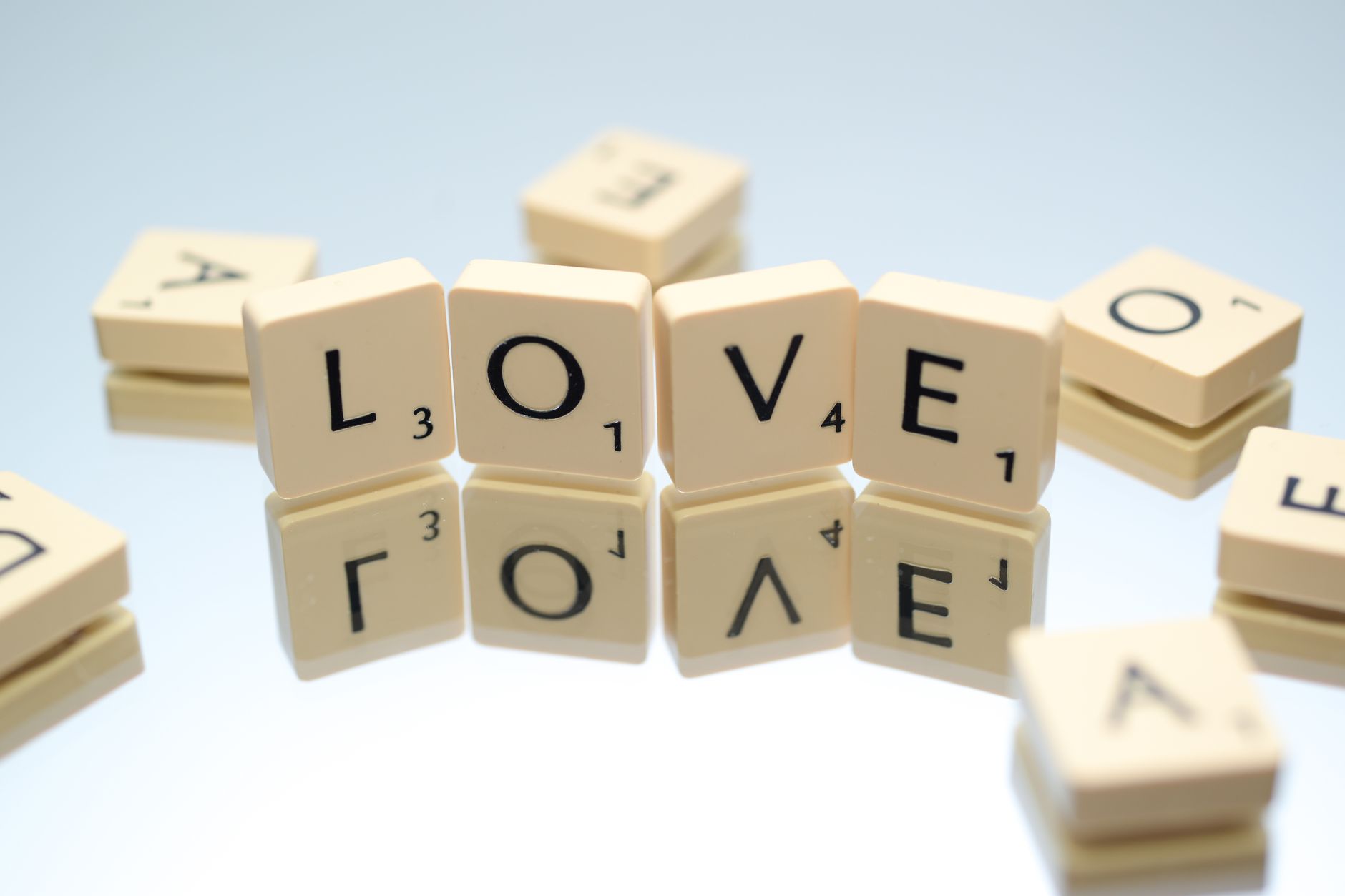
Not every expression of love arrives with a bouquet or a grand declaration. Often, it shows up in a cup of coffee left on the nightstand, a hand reaching for yours in a crowded market, or a text sent in the middle of a busy workday that simply says, “Thinking of you.” These moments may seem ordinary, but they carry a lot of meaning. Psychologists and relationship researchers have spent decades studying how couples communicate affection, and their findings point to one clear conclusion: small, consistent actions often matter more than big gestures.
This article explores the quiet signals that people use to say “I love you,” why they work, and how they strengthen the relationship bond over time.
Why Small Gestures Carry So Much Weight
Many people assume love has to be proven through dramatic moments such as anniversary trips, expensive gifts, or public romantic displays. Those moments can be meaningful, but they are rare. Daily life is made up of ordinary exchanges, and that is where most of a relationship is built.
Researcher John Gottman, who has studied thousands of couples at his Seattle “Love Lab,” describes everyday attempts at connection as “bids.” A bid can be a comment about a bird outside the window, a request for a hug, or a question about how a coworker’s presentation went. Gottman’s work found that couples who remained together were more likely to respond positively to these small bids, while couples who later divorced were more likely to ignore or dismiss them. In other words, the way partners respond to small moments may reveal more about the health of a bond than any single grand gesture.
This is why nonverbal affection plays such an important role. A glance across a room during a dull dinner party, or a hand on the lower back while passing through a doorway, communicates attention and care without needing words. These signals tell a partner, often on a subconscious level, that they are seen and valued.
The Five Love Languages in Everyday Life
In his 1992 book The 5 Love Languages, counselor Gary Chapman proposed that people tend to express and receive love in different ways. He identified five categories: words of affirmation, quality time, acts of service, receiving gifts, and physical touch. While the framework is popular and has been widely discussed, researchers have also noted that it is more of a practical guide than a rigorously tested scientific model. Still, it offers a helpful lens for understanding why some gestures feel meaningful to one person and mean little to another.
Consider a partner whose primary love language is acts of service. For them, a sink full of dishes washed without being asked might feel like a louder declaration of love than a dozen roses. A partner who values quality time may light up when their significant other puts the phone away during dinner. Someone who speaks the language of words of affirmation might hold onto a handwritten note tucked into a lunch bag for weeks.
The key is recognizing that the same gesture does not carry the same meaning for everyone. Couples who take the time to learn each other’s preferred expressions of affection often find that their bond grows stronger, because each partner feels understood.
Subtle Romantic Signals You Might Be Overlooking
Some of the most powerful romantic signals are so small that they are easy to miss. Here are a few that often go unnoticed but communicate deep affection:
Remembering the small details. Recalling that a partner mentioned a stressful meeting last week and asking how it turned out shows that their words were heard and stored. Remembering a favorite snack or the name of a childhood pet is another way of saying, “You matter to me.”
Saving the best seat or the last bite. Offering a partner the more comfortable chair or the final slice of pizza is a quiet act of prioritizing someone else’s comfort. It is a small sacrifice, but it signals that their needs count.
Making eye contact during conversation. In a world full of screens, sustained eye contact during a conversation can feel remarkably intimate. It tells a partner that they have your full attention.
Sharing inside jokes. A private phrase, a shared reference from an early date, or a silly nickname creates a sense of belonging. These shared codes strengthen the feeling that the relationship is a world of its own.
Checking in after a difficult day. A simple “How are you feeling now?” sent after a partner has mentioned a rough appointment or a tense conversation shows care and emotional availability.
Showing up when it is inconvenient. Picking someone up from the airport at midnight or sitting with them during a stressful phone call with the family can mean more than a costly gift. Consistency during inconvenient moments builds trust.
Each of these signals may seem minor on its own. Together, they form a pattern that tells a partner, “I am paying attention, and I am choosing you.”
The Science Behind Touch and Connection
Physical touch is one of the most direct forms of nonverbal affection, and research has begun to reveal how powerful it can be. A widely cited 2006 study led by James Coan and colleagues at the University of Virginia found that married women who held their husbands’ hands while anticipating a mild electric shock showed reduced neural responses to threat, compared with those who held a stranger’s hand or no hand at all. While the study focused on stress regulation rather than romance directly, it suggests that a simple touch from a trusted partner can help people feel calmer and more secure.
Other research has examined the role of hugs, cuddling, and affectionate contact in relationship satisfaction. Although findings vary across studies, the general pattern is consistent: couples who regularly engage in non-sexual physical affection often report higher levels of closeness and emotional security. A hand on the shoulder during a tense moment or a hug at the end of a long day may do more for the relationship bond than many people realize.
It is worth noting that the science here is still developing, and individual preferences matter a great deal. Some people feel deeply comforted by constant physical contact, while others prefer more space. Respecting those differences is itself a form of affection.
Turning Small Gestures Into a Habit
Recognizing loving gestures is one thing. Making them a regular part of a relationship is another. Couples who thrive often treat small acts of kindness as an ongoing practice rather than occasional surprises.
Start by paying attention. Notice what your partner does to show care, and consider how they might prefer to receive it. Ask direct questions, such as “What makes you feel most appreciated?” or “Is there something small I could do during the week that would make your day easier?” These conversations can reveal preferences that might otherwise stay hidden.
Next, make affection specific. Instead of saying “I appreciate you,” try “I really appreciated how you handled the schedule change this morning.” Specific praise feels more genuine and shows that you were paying close attention.
Finally, remember that consistency matters more than intensity. A short text each morning, a shared cup of tea on Sunday afternoons, or a quick squeeze of the hand before bed can accumulate into a deep sense of security. Over time, these routines become a language of their own, one that partners understand without needing to explain.
When Small Gestures Are Missing
Sometimes couples notice that the small signals of love have faded. Conversations become transactional, touch feels obligatory, and little acts of thoughtfulness disappear. This is common, especially during periods of stress, parenting demands, career pressure, or long-term routine. A drift in everyday affection does not necessarily mean the relationship is failing, but it is a signal worth addressing.
Couples in this situation can start small. Reintroduce one daily ritual, such as a walk after dinner or a few minutes of uninterrupted conversation before bed. Express appreciation openly, even for things that once seemed too obvious to mention. If the distance feels too large to close alone, a licensed couples therapist can provide structured support and tools for rebuilding connection.
The Quiet Power of Everyday Love
Grand gestures make for memorable stories, but the everyday moments are what hold a relationship together. A partner who remembers your coffee order, sends a photo of something that made them think of you, or simply sits beside you without needing to speak is communicating love in a language that runs deeper than words.
The next time you wonder whether your partner feels loved, look at the small things. Notice the cup of tea left by the bed, the coat draped over your shoulders on a cold evening, or the quiet decision to take the late shift so you can rest. These gestures are rarely dramatic, but they are often the clearest expression of love we will ever receive.
Love, in its most reliable form, is not a single event. It is a pattern of attention, care, and presence, repeated day after day. And in that pattern, the smallest gestures often say the loudest, “I love you.”