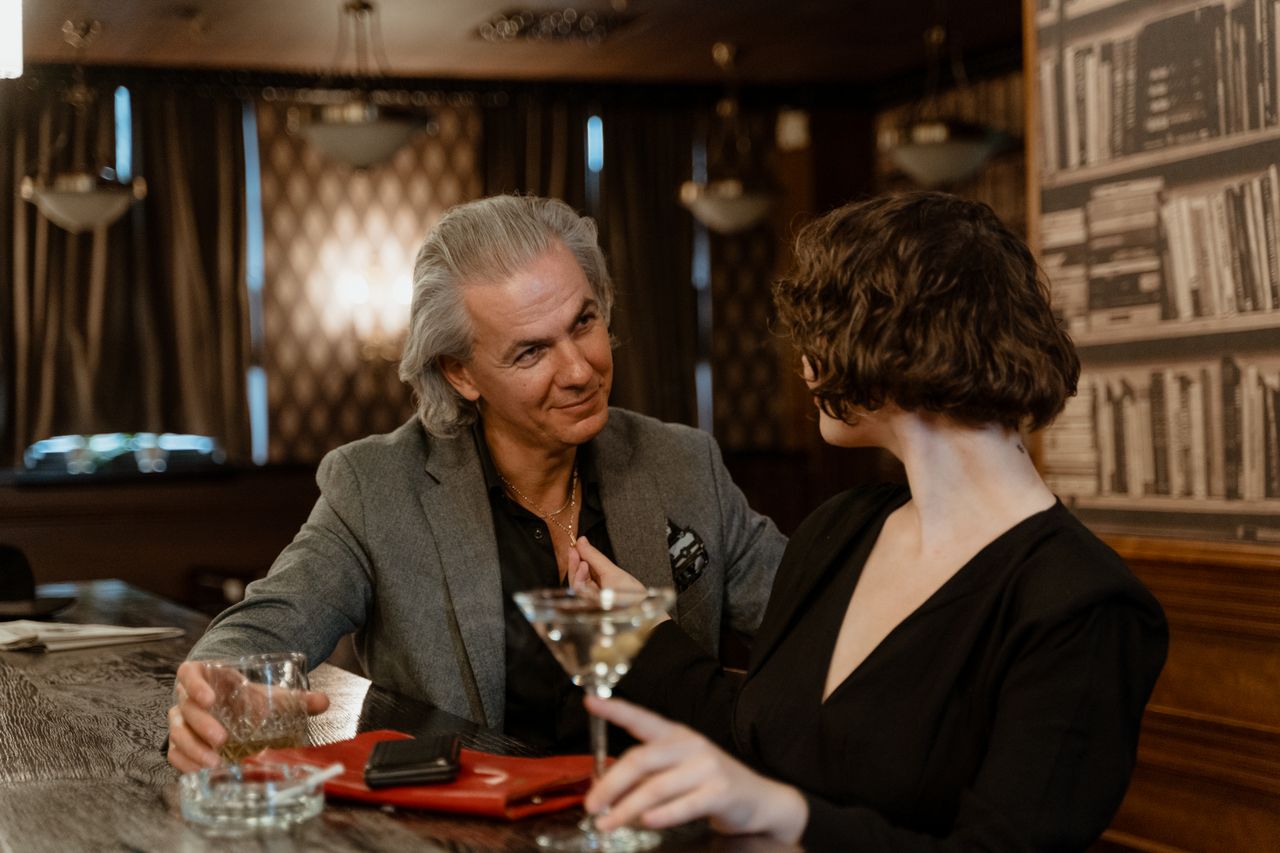
The dynamics of modern romance have evolved significantly, making relationships with age gaps increasingly common, socially accepted, and successful. Many younger women find themselves drawn to older men for various reasons, including emotional maturity, stability, life experience, and a clearer vision of the future. Conversely, mature men often appreciate the vitality, fresh perspectives, and enthusiasm that a younger partner brings into their lives.
However, bridging an age gap requires a delicate balance of emotional intelligence and mutual respect. While chemistry and physical attraction might pull two people together, sustainable relationship dynamics depend heavily on daily behavioral patterns. Often, well-intentioned younger women make subtle, subconscious mistakes rooted in generational habits, differing life stages, or misconceptions about mature partners. These small missteps can gradually create friction, misunderstandings, and emotional distance, ultimately pushing away the very partner they wish to keep.
Understanding these subtle pitfalls can transform a fragile connection into a deeply resilient partnership. By examining dating older men relationship dynamics and learning the nuances of attracting mature partners, women can navigate these romances with grace, confidence, and long-term success.
Navigating Generational Communication Styles
One of the most frequent stumbling blocks in age-gap relationships stems from differences in communication. Growing up in the digital age means younger generations are accustomed to rapid-fire text messaging, emojis, social media cues, and immediate responses. Older men, having spent formative years communicating face-to-face, over landlines, or through thoughtful emails, often view communication through a different lens.
When a younger woman expects instant replies to high-volume text threads or relies heavily on subtle digital hints to express dissatisfaction, it can overwhelm or confuse a mature partner. Older men generally value direct, clear, and unembellished dialogue. They prefer to discuss issues openly rather than decoding passive-aggressive text messages or Instagram stories.
Another communication pitfall is the casual use of modern slang or conversational habits that can inadvertently diminish the gravity of a serious conversation. While playful banter keeps a relationship light, defaulting to sarcasm or dismissive shorthand when discussing important topics signals a lack of emotional readiness. Mature men look for partners with whom they can have substantial, grounded discussions about current events, life philosophies, and personal goals. When communication feels like an uphill battle of interpretation rather than a bridge of understanding, frustration inevitably builds.
Misjudging the Value of Established Routines
By the time a man reaches his late thirties, forties, or beyond, he has likely built a life, a career, and a set of comforting daily routines. He knows how he likes his coffee, values his downtime, and has cultivated specific habits that bring him peace and stability.
A common misstep among younger women is viewing these established routines as boring, rigid, or indicative of a lack of spontaneity. In an effort to inject excitement into the relationship, a partner might constantly push for impromptu late-night outings, demand radical changes to his schedule, or express impatience with his need for solitude and quiet weekends.
Attracting mature partners requires respecting the foundation that makes them successful and grounded. An older man is rarely looking for someone to completely dismantle his lifestyle; rather, he wants a companion who can comfortably integrate into it while adding a spark of joy. When a younger partner constantly criticizes his habits or pressures him to conform to a high-octane social calendar reserved for younger crowds, it sends a message that his current life is inadequate. Striking a balance between introducing new experiences and honoring his need for predictability is vital for long-term harmony.
Projecting Past Relationship Anxieties and Social Stereotypes
Dating in the modern era comes with its fair share of baggage, but bringing the ghosts of past relationships—or societal stereotypes about age-gap dating—into a current dynamic is a recipe for disaster. Younger women sometimes enter romances with older men carrying preconceived notions, worrying that he might be controlling, traditional to a fault, or secretly looking for someone to mold.
This manifests in subtle defensiveness, testing behaviors, or preemptively starting arguments over perceived power imbalances that do not actually exist in the relationship. For instance, offering to pay for dinner occasionally or allowing him to treat without turning it into a debate about independence is crucial. Constantly overcompensating to prove one’s self-sufficiency can feel exhausting and combative to a man who simply wants to express care through traditional acts of provision or chivalry.
Furthermore, projecting insecurities about the age gap itself—such as making self-deprecating jokes about his age or constantly comparing him to younger peers—creates unnecessary tension. If a woman frequently brings up the age difference in a negative or insecure light, it forces the man to become defensive or hyper-aware of a gap he may not have even been thinking about. Confidence is exceptionally magnetic; owning the relationship without self-consciousness is essential for building a secure attachment.
Confusing Financial Stability with Emotional Sponsorship
While financial stability is undeniably one of the appealing aspects of dating older men, mismanaging this dynamic can swiftly poison the relationship. Mature men who have achieved financial success take pride in their hard work and are often generous providers who enjoy treating their partners to nice dinners, trips, and gifts.
However, a subtle behavioral mistake occurs when a younger partner begins to take this generosity for granted or shifts the fundamental dynamic from a romantic partnership to a transactional arrangement. Expecting luxury purchases as a baseline, showing entitlement, or losing motivation for one’s own career and personal growth are massive red flags for mature men.
Men who have built wealth are acutely aware of people who value them for what they provide rather than who they are as individuals. To maintain mutual respect, a younger woman must demonstrate her own drive, ambition, and independence. Showing genuine appreciation for his generosity—while maintaining personal financial goals and contributing to the relationship’s emotional and experiential wealth—cements a partnership built on genuine affection rather than convenience.
Impatience with the Pace of Commitment
Age and life experience naturally teach people the value of patience. Older men have likely lived through failed relationships, career setbacks, and significant life transitions. Because of this wisdom, they tend to move more deliberately when building a new relationship, preferring to vet a partner thoroughly before rushing into major milestones like moving in together, meeting children from previous marriages, or discussing marriage.
Younger women, often operating on a different timeline driven by biological clocks or social milestones, can sometimes misinterpret this caution as a lack of interest or commitment phobia. Pressuring an older partner with ultimatums, demanding rapid relationship progression, or taking his measured pace as a personal rejection will almost certainly cause him to pull away.
Mastering age gap dating mistakes women often make involves understanding the psychology of pacing. Mature men value peace above all else. When a relationship is bogged down by constant pressure, anxiety about the future, and forced timelines, it disrupts that peace. Allowing the connection to unfold organically, proving consistency over time, and focusing on the present moment creates a safe environment where a mature man naturally desires to commit at a deeper level.
Cultivating Emotional Maturity and Mutual Growth
Overcoming these subtle behavioral hurdles is not about playing games or altering one’s personality to please a partner. Rather, it is an exercise in mutual growth, emotional intelligence, and self-awareness. Relationships thrive when both individuals feel seen, heard, and respected for who they truly are, independent of the calendar years separating them.
By refining communication styles, respecting established routines, shedding insecurities about the age gap, maintaining personal ambition, and respecting the natural pace of mature commitment, younger women can cultivate deeply fulfilling connections. When approached with maturity, empathy, and mutual respect, an age-gap relationship ceases to be defined by the numbers and instead becomes a powerful partnership built on shared values, complementary strengths, and enduring love.