

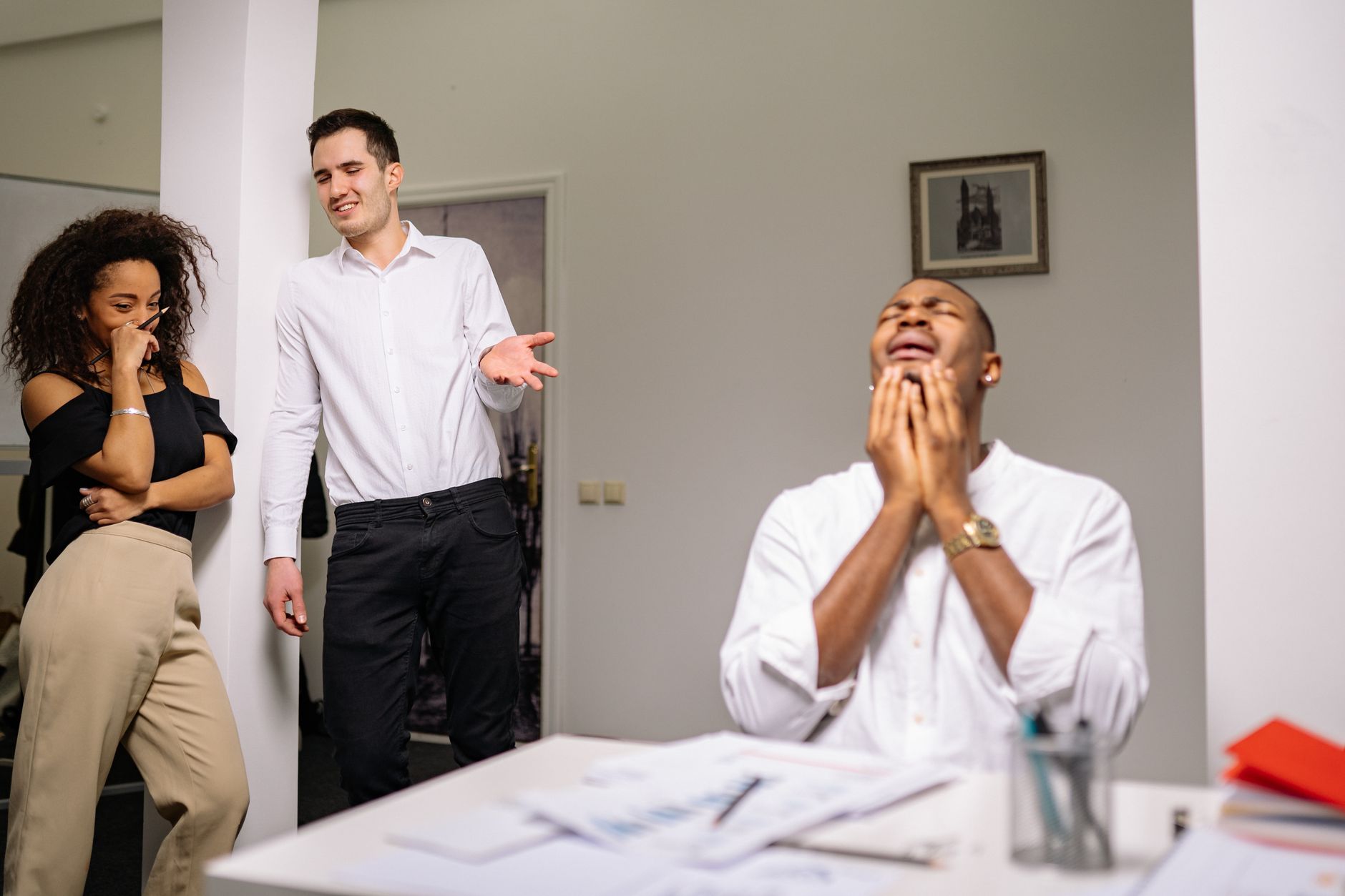
Navigating the modern corporate landscape requires much more than just strong technical skills and meeting project deadlines. Today, career progression is deeply intertwined with visibility, networking, and relationship-building. From annual company galas and quarterly off-sites to casual Friday after-work drinks, professional gatherings are staples of corporate culture.
However, for millions of professionals, the mere mention of an upcoming office mixer induces a knot in the stomach, sweaty palms, and a racing heartbeat. If you find yourself dreading these events, you are far from alone. Workplace socializing can be a minefield for those who struggle with nervousness. Fortunately, learning how to deal with social anxiety at work events is entirely possible with the right mindset, preparation, and practical strategies.
Understanding Workplace Social Anxiety
Social anxiety disorder is often misunderstood as mere shyness. While shyness can be uncomfortable, social anxiety is an intense, persistent fear of being scrutinized, judged, or humiliated in social or performance situations. In a professional context, this fear can manifest as worrying that you will say the wrong thing, appear awkward, or ruin your career prospects with a single social misstep.
According to workplace wellness studies, a significant percentage of the workforce experiences moderate to high levels of anxiety regarding corporate social functions. The pressure to “network,” present a polished persona, and make small talk with superiors and peers can feel overwhelming. This is especially true in hybrid or remote work environments, where returning to face-to-face interactions can amplify feelings of vulnerability and social awkwardness.
The good news is that professional gatherings are not tests of your worth; they are simply environments designed for human connection. By shifting your perspective and implementing structured coping mechanisms, you can transform these daunting occasions into manageable—and even enjoyable—experiences.
Phase 1: Preparation Before the Event
The key to managing anxiety often lies in what you do before you step into the room. Preparation creates a sense of control, which directly combats the unpredictability that fuels anxious thoughts.
1. Define Your Purpose and Boundaries
You do not need to be the life of the party, nor do you need to stay until the bitter end. Before attending, set a realistic intention for yourself. Your goal might be as simple as: “I will arrive on time, have meaningful conversations with three people, and stay for one hour.” Giving yourself permission to leave once you hit your goal provides a reliable safety net.
2. Plan Conversation Starters
When anxiety peaks, the brain’s working memory can blank, making simple chit-chat feel impossible. Combat this by preparing a few professional yet approachable topics in advance. Think about recent company milestones, industry trends, or neutral subjects like upcoming weekend plans or office projects. Having a mental cheat sheet of open-ended questions—such as, “What project are you focusing on this quarter?”—takes the pressure off thinking on your feet.
3. Scout the Venue and Logistics
Uncertainty breeds anxiety. If the event is at an unfamiliar restaurant, hotel, or external venue, look it up online beforehand. Knowing where the parking lot is, where the restrooms are located, and what the general layout looks like can significantly reduce anticipatory stress. Furthermore, plan your outfit ahead of time. Wearing something professional, comfortable, and aligned with the dress code ensures you won’t be distracted by clothing discomfort.
Phase 2: Execution During the Gathering
When the day of the event arrives, your nervous system might go into overdrive. This is the critical moment to apply real-time strategies to keep your composure.
1. Master the Art of Early Arrival
Counter-intuitively, arriving right on time or even a few minutes early can be less stressful than showing up fashionably late. When you arrive late, the room is often already packed, conversations are in full swing, and walking in alone can feel like entering a stage. Arriving early allows you to enter a quieter space, get acclimated to the environment, grab a drink, and ease into conversations as other guests trickle in.
2. Focus on Others, Not Yourself
Social anxiety often traps us in hyper-focus on our own internal states: How do I look? Is my voice shaking? Do I look awkward? The quickest way to break this cycle is to redirect your attention outward. Shift your focus entirely to the other person. Practice active listening. Ask genuine questions about their work or interests and actually listen to their answers. When you view yourself as a curious interviewer rather than a performer under a spotlight, the internal pressure dissipates.
3. Establish an Anchor
An “anchor” is a physical object, person, or ritual that grounds you when anxiety flares. This could be holding a glass of sparkling water with lime (which also keeps your hands occupied and provides an excuse to decline alcoholic drinks if you prefer not to drink), stepping outside for a five-minute fresh air break, or finding a colleague you already trust to act as a temporary wingman.
4. Utilize the “Rule of Three”
Do not exhaust yourself by trying to mingle with the entire room. Break the event down into bite-sized pieces using the Rule of Three. Aim to have three positive, low-pressure interactions. Once you achieve this, give yourself permission to hang back, enjoy the food, or make a graceful exit. Quality of connection always trumps quantity in professional networking.
Phase 3: Post-Event Recovery and Long-Term Growth
What happens after the event is just as important as how you handle it in the moment.
1. Avoid Post-Event Rumination
After leaving the gathering, anxious minds tend to replay every interaction, searching for perceived flaws or awkward moments—a phenomenon known as post-event processing. Recognize this for what it is: a distorted anxiety symptom. Remind yourself that colleagues and supervisors are rarely analyzing your behavior as critically as you are. They are usually far too focused on their own performance and well-being.
2. Practice Self-Compassion
Acknowledge that pushing past your comfort zone requires immense courage. If the event didn’t go as smoothly as you hoped, treat yourself with kindness rather than harsh self-criticism. Every time you show up to a professional gathering despite your anxiety, you are building psychological resilience.
3. Build Professional Social Stamina Over Time
Social anxiety is like a muscle that has been overworked or neglected; it cannot be fixed overnight. Start small by participating in virtual coffee chats or smaller team lunches before jumping into large-scale company galas. Consistency is key. Over time, repeated exposure to these environments desensitizes your nervous system, making professional gatherings feel progressively more natural.
Shifting Your Career Narrative
Ultimately, learning how to deal with social anxiety at work events is not about changing your personality. If you are an introvert or naturally reserved individual, your careful listening, thoughtfulness, and observational skills are immense assets to any workplace.
Professional networking does not require you to be a booming extrovert who commands the room. By preparing effectively, shifting your focus toward genuine curiosity, and honoring your personal boundaries, you can navigate office gatherings with quiet confidence. Master these skills, and you will discover that building a successful professional network is entirely possible while staying true to who you are.