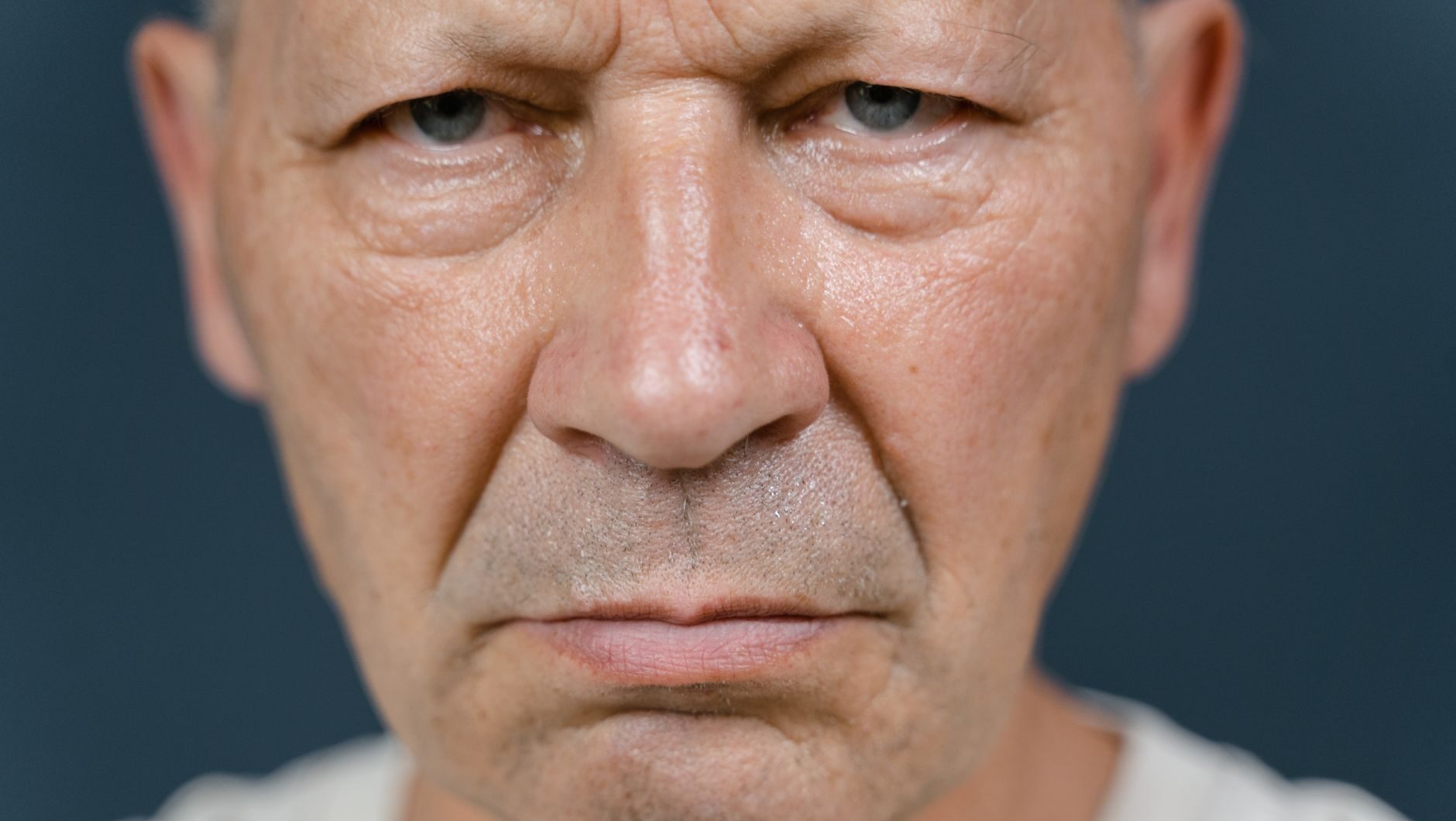
Most men don’t notice the change happening. One morning, a coworker says you look tired, or a photo from last year suddenly seems to show a younger face. Aging is inevitable, but many of the signs that make men look older than they are come from habits that can be adjusted. Sun exposure, sleep, and small grooming choices often do more damage than the calendar does.
This guide covers the everyday habits that quietly add years to your appearance and the practical steps that can help you look as fresh as you feel. If you are searching for reliable men aging insight, grooming habits, or skin care tips, the advice below is a useful place to start.
Why Men’s Skin Ages Differently
Men often assume their skin is more forgiving than women’s. There is some truth to this. Men typically have thicker skin and more oil-producing sebaceous glands, which can slow visible wrinkling in some areas. However, thicker skin does not protect against the processes that cause aging. Collagen and elastin production gradually declines with age, and the skin’s ability to repair itself slows down.
Dermatologists consistently identify ultraviolet (UV) radiation as the largest external contributor to visible aging, a process known as photoaging. Sun damage causes fine lines, uneven pigmentation, roughness, and broken capillaries. Because many men spend years outdoors for work, sport, or commuting without protection, this damage accumulates long before it becomes obvious.
The Sunscreen Habit Most Men Skip
Sunscreen is the single most effective anti-aging product most men can use, yet it is also the one most often ignored. Many men apply it only at the beach or skip it on cloudy days. Clouds block a large share of UV rays, but a significant amount still reaches the skin, and UVA rays can penetrate windows.
A simple routine works well. Choose a broad-spectrum sunscreen with at least SPF 30, apply it every morning as the final step of your skincare routine, and reapply if you spend extended time outside. Lightweight gel or fluid formulas are less greasy and easier to accept for men who find heavy creams uncomfortable. Sunscreen also helps prevent the dark spots that make a face look tired or older, so it is worth making it non-negotiable.
Sleep: The Overlooked Appearance Factor
Few habits show on your face as clearly as poor sleep. Chronic sleep deprivation can lead to puffy eyes, dark circles, dull skin tone, and deeper expression lines. During sleep, the body repairs tissue and regulates hormones that influence skin health. When sleep is consistently short, stress hormones such as cortisol can remain elevated, which may affect skin elasticity and recovery.
Most adults need around seven to nine hours of sleep per night, according to guidance from major health organizations. Keeping a consistent bedtime, limiting screens in the hour before sleep, and keeping the bedroom cool and dark can make a noticeable difference. Sleeping on your back rather than your side or stomach may also reduce sleep lines and facial creasing over time.
Smoking, Alcohol, and Diet
Some lifestyle habits affect the skin more directly. Smoking is among the most damaging. It reduces blood flow to the skin, depletes oxygen, and breaks down collagen and elastin. Smokers often develop deeper wrinkles and a grayish complexion earlier than non-smokers. Quitting, at any age, can help the skin begin to recover and improve overall health.
Heavy drinking also takes a visible toll. Alcohol dehydrates the body, dilates blood vessels, and can contribute to redness and puffiness. Frequent binge drinking can disrupt sleep quality, which compounds the problem. Moderating intake and drinking water alongside alcohol are simple ways to reduce the impact.
Diet matters as well. Diets high in refined sugar may contribute to a process called glycation, in which sugar molecules bind to proteins such as collagen and make them stiffer. A diet rich in vegetables, fruit, lean protein, healthy fats, and whole grains supplies antioxidants and nutrients that support skin health. Staying hydrated is equally important, though drinking extra water will not erase wrinkles on its own.
Grooming Choices That Add Years
Beyond health habits, certain grooming decisions can make a man look older without him realizing it. The good news is that most of these are easy to correct.
Facial hair is a common example. A beard can look sharp and youthful when it is neatly trimmed and shaped to suit the face. However, a patchy, untidy, or unevenly grown beard can make the face appear older and less polished. Grey hair in a beard can also stand out more than expected. Regular trimming, a clean neckline, and a well-fitted shape usually look far better than letting growth run wild. Those who prefer a clean-shaven look should consider a sharp razor, a moisturizing shaving cream, and an aftershave balm to minimize irritation and razor bumps, which can make skin look red and rough.
Haircuts also play a major role in perceived age. Hair that is too long, greasy, or left unshaped can look neglected, while a haircut that is outdated or heavily styled with stiff product can add years. A modern cut that suits your hair texture and face shape, and is refreshed every four to six weeks, often creates a younger impression. Thinning hair can be managed with shorter cuts that create the appearance of density.
Eyebrows and ear and nose hair are frequently overlooked. Wild eyebrows, especially in older men, can make the face look untidy. Trimming them lightly, along with the hair inside the ears and nose, is a quick grooming habit that sharpens your overall look.
Dental and smile care deserve attention too. Yellowed teeth and neglected gums can make a smile look older. Regular dental checkups, daily flossing, and professional cleanings support both oral health and appearance.
Building a Simple Skincare Routine
Many men avoid skincare because they believe it is complicated or feminine. In reality, a basic routine can be short and effective. Consistency matters more than the number of products.
A practical daily routine might include a gentle cleanser to remove oil, sweat, and pollution, a moisturizer suited to your skin type, and a broad-spectrum sunscreen in the morning. At night, a cleanser and moisturizer are usually enough for most men. Those with specific concerns may consider adding products with active ingredients, but it is wise to introduce them slowly and consult a dermatologist if irritation occurs.
Retinoids, derived from vitamin A, are among the most studied ingredients for reducing fine lines and improving skin texture. Vitamin C serums are often used in the morning to support brightness and help protect against environmental stress. Both can be useful, though strength and tolerance vary, so starting with lower concentrations and using them a few times per week is a sensible approach. Always pair retinoids with sunscreen, since they can increase sun sensitivity.
Exfoliation, when done gently, can help remove dead skin cells that make the complexion look dull. Over-exfoliating, however, damages the skin barrier and worsens redness. Once or twice a week is typically enough for most men.
Stress, Movement, and Posture
Lifestyle habits that have nothing to do with the face can still influence how old a man looks. Chronic stress affects sleep, appetite, and skin condition, and it often shows in tension lines around the forehead and between the brows. Finding routines that help you decompress, whether through exercise, hobbies, or time with friends, supports both mental and physical well-being.
Regular physical activity improves circulation, supports muscle mass, and helps maintain a healthy weight. Strength training in particular can preserve muscle as the body ages, which affects posture and overall presence. Stooped posture and a sluggish walk can make anyone appear older, while standing tall and moving with energy projects vitality.
Looking older than you are rarely comes from one dramatic mistake. It usually builds from small, repeated habits: skipping sunscreen, sleeping too little, smoking, drinking heavily, neglecting haircuts, and letting grooming slide. The encouraging part is that most of these factors are within your control.
Start with the highest-impact changes. Wear sunscreen every day, prioritize sleep, and keep your hair and facial hair neat. Then build a simple skincare routine you can maintain. Over time, these choices can help your skin look healthier, your features look sharper, and your overall appearance reflect the energy you feel inside. Aging will continue, but how it shows on your face is largely up to you.