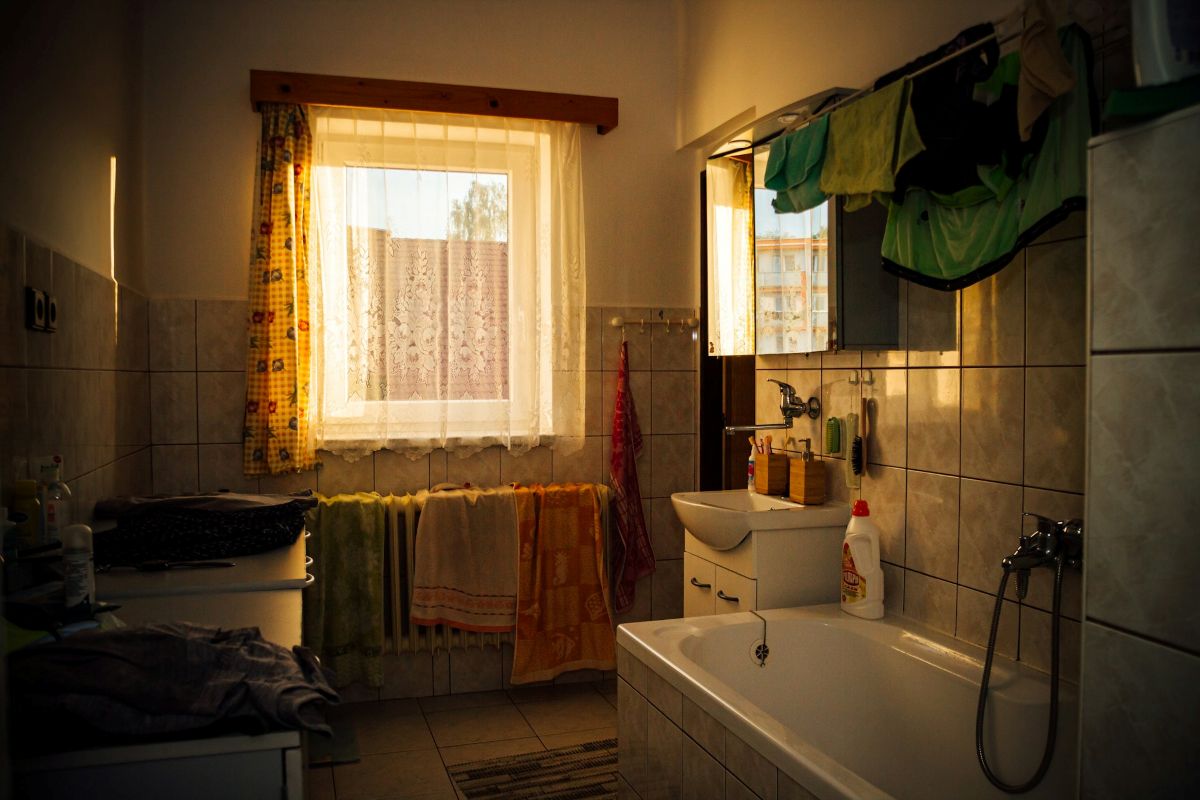
Most people think of home as the safest place on earth. We relax there, sleep there, and let children play on the floor without a second thought. Yet some of the greatest threats to family health are hiding in plain sight: the scented candle on the coffee table, the damp corner behind the bathroom door, the cleaning spray under the kitchen sink.
Many of these hazards produce no immediate warning. You won’t see them, smell them, or feel them. Their effects often build slowly, showing up as persistent coughs, headaches, fatigue, or allergies that seem to have no clear cause. Understanding where these risks come from is the first step toward a healthier household. Here is a closer look at the everyday hazards experts say deserve more of your attention, and what you can do about them.
The Air You Breathe Indoors
Few people consider the air inside their home a health issue, but indoor air quality is one of the most important factors in daily well-being. The U.S. Environmental Protection Agency (EPA) has reported that indoor pollutant levels can be two to five times higher than outdoor levels, and sometimes even higher. Because most people spend the majority of their time indoors, that exposure adds up.
Sources of indoor air pollution are more common than many families realize. Gas stoves, unvented space heaters, and fireplaces release nitrogen dioxide and carbon monoxide. Cooking releases fine particles, especially when frying or broiling. Tobacco smoke, including secondhand and thirdhand smoke that clings to furniture and carpets, remains a serious concern. Even air fresheners, aerosol sprays, and some paints release volatile organic compounds (VOCs), which can irritate the eyes, nose, and throat and may contribute to longer-term respiratory problems.
The problem is not only what enters the house but also how little fresh air circulates. Modern homes are built to be tightly sealed for energy efficiency, which is helpful for utility bills but can trap pollutants inside. Opening windows when weather allows, running exhaust fans while cooking or showering, and changing HVAC filters regularly can make a meaningful difference. A simple air purifier with a HEPA filter may also help reduce dust, pet dander, and pollen in bedrooms and living areas.
Carbon Monoxide: The Silent Gas
Carbon monoxide (CO) is colorless, odorless, and tasteless, which makes it especially dangerous. The Centers for Disease Control and Prevention (CDC) estimates that unintentional CO poisoning causes hundreds of deaths in the United States each year, and thousands of people visit emergency rooms for exposure. The gas is produced whenever fuel burns incompletely. Faulty furnaces, water heaters, gas dryers, and fireplaces are common sources, as is running a car or generator in an attached garage.
Early symptoms of CO exposure, such as headache, dizziness, nausea, and fatigue, are easy to mistake for the flu or a bad night’s sleep. Several people in the same household feeling unwell at the same time, particularly when symptoms ease after leaving the home, can be a warning sign. The safest protection is a battery-operated or plug-in CO alarm installed on every level of the home and near sleeping areas. Alarms should be tested monthly and replaced according to the manufacturer’s guidelines, usually every five to seven years.
Radon: An Invisible Cancer Risk
Radon is a naturally occurring radioactive gas that comes from the breakdown of uranium in soil and rock. It seeps into homes through cracks in foundations, gaps around pipes, and sump pumps. The EPA identifies radon as the second leading cause of lung cancer in the United States after smoking, and it is responsible for thousands of lung cancer deaths every year. The risk is especially serious for smokers.
Because radon is odorless and invisible, the only way to know whether your home has a problem is to test for it. Inexpensive do-it-yourself kits are widely available, and professional testing is also an option. If levels are elevated, a qualified contractor can install a mitigation system, often a vent pipe and fan that draws radon from beneath the foundation and releases it safely outside. Many people who live in older homes or in areas with granite-rich soil never realize they have a radon issue until someone tests for it.
Mold and Dampness
Mold is more than an unsightly stain on the bathroom ceiling. It thrives in damp conditions and releases spores that can trigger allergic reactions, asthma attacks, and respiratory irritation. Water leaks under sinks, condensation on windows, poorly ventilated bathrooms, and basements that flood even once can all create the perfect environment for mold growth.
Musty odors are often the first clue, sometimes detected before any visible growth appears. Look for discoloration on walls, peeling paint, warped flooring, and water stains. Fixing the source of moisture is more important than simply scrubbing the surface. Running dehumidifiers in damp areas, keeping indoor humidity between roughly 30 and 50 percent, and promptly drying wet materials after leaks can reduce the risk considerably. Larger infestations generally require professional remediation.
Toxic Home Items Hiding in Plain Sight
Many of the products we use every day contain chemicals that deserve a second look. Some of the most common toxic home items include:
- Cleaning products: Bleach, ammonia-based cleaners, and drain openers can cause burns and breathing problems when misused. Never mix bleach with ammonia or other cleaners, as the combination can release toxic gases.
- Air fresheners and scented candles: These can release fragrance compounds and VOCs into the air, which may aggravate asthma and allergies.
- Pesticides and insecticides: Household sprays, flea treatments, and rodent poisons can be harmful to children and pets if not stored and applied carefully.
- Old paint and lead-based materials: Homes built before 1978 may contain lead-based paint. Lead dust from peeling or sanding paint is particularly dangerous for young children, and the CDC notes that no safe blood lead level in children has been identified.
- Nonstick cookware: Some older nonstick coatings contained PFAS chemicals. Overheating any nonstick pan, especially when empty, can also release fumes that are harmful to birds and may irritate people.
Reading labels, storing chemicals out of children’s reach in their original containers, and choosing less hazardous alternatives where possible are simple ways to lower exposure. Ventilating the room during and after using strong products also helps.
Hazards in Kitchens and Bathrooms
The kitchen and bathroom are the busiest rooms in most homes, which makes them hotspots for hidden risks. Beyond cleaning chemicals, household items such as small button batteries pose a serious danger to young children. When swallowed, these batteries can cause severe internal injuries in a short period of time, and safety experts urge families to keep them secured and to seek emergency care immediately if ingestion is suspected.
Hot water is another overlooked hazard. Water heaters set above 120°F (about 49°C) can cause serious scalding burns within seconds, particularly for young children and older adults. Lowering the thermostat to a safer temperature is a quick and inexpensive fix.
Electrical hazards also deserve attention. Overloaded power strips, frayed cords, and outlets near water sources can lead to shocks or fires. Using ground-fault circuit interrupter (GFCI) outlets in bathrooms and kitchens and having an electrician inspect older wiring can significantly reduce these risks.
Dust, Allergens, and Pests
Dust is more than a nuisance. It contains dust mite debris, pet dander, pollen tracked in from outside, and sometimes lead or other contaminants. For people with asthma or allergies, dust can trigger symptoms that persist throughout the year. Regular vacuuming with a HEPA-filtered vacuum, damp dusting, washing bedding in hot water, and reducing clutter all help keep allergens in check.
Pests, including cockroaches and rodents, bring their own health concerns. Their droppings and shed skin can worsen asthma, and they can carry bacteria. Sealing cracks, storing food in airtight containers, and fixing leaks are often more effective than relying on chemical sprays alone.
Simple Steps for a Healthier Home
Protecting your family does not require a complete renovation. Small, consistent habits can make a big difference:
Start with detection. Install carbon monoxide and smoke alarms, test your home for radon, and check for signs of moisture or mold. Next, improve ventilation by using exhaust fans, opening windows when possible, and maintaining heating and cooling systems. Review your cleaning and household products, store them safely, and consider gentler alternatives. Finally, keep the home clean and dry by addressing leaks quickly, vacuuming regularly, and managing humidity levels.
Talk with your family about these risks as well. Children can learn to recognize hazards, such as not touching unlabeled containers or keeping batteries out of reach, and older relatives may benefit from reminders about safe heating and medication storage.
The most dangerous household hazards are often the ones we never think about. Indoor air pollution, hidden carbon monoxide, radon, mold, and everyday chemicals can affect health gradually or suddenly, and many of their warning signs look ordinary. The good news is that awareness is powerful. With a few inexpensive tests, a handful of alarms, and some mindful habits, you can turn your home into the safe haven it is meant to be. Start with one change this week, whether it is testing for radon, cleaning the bathroom exhaust fan, or checking that your CO alarm still works. Your family’s health depends on the small steps you take today.