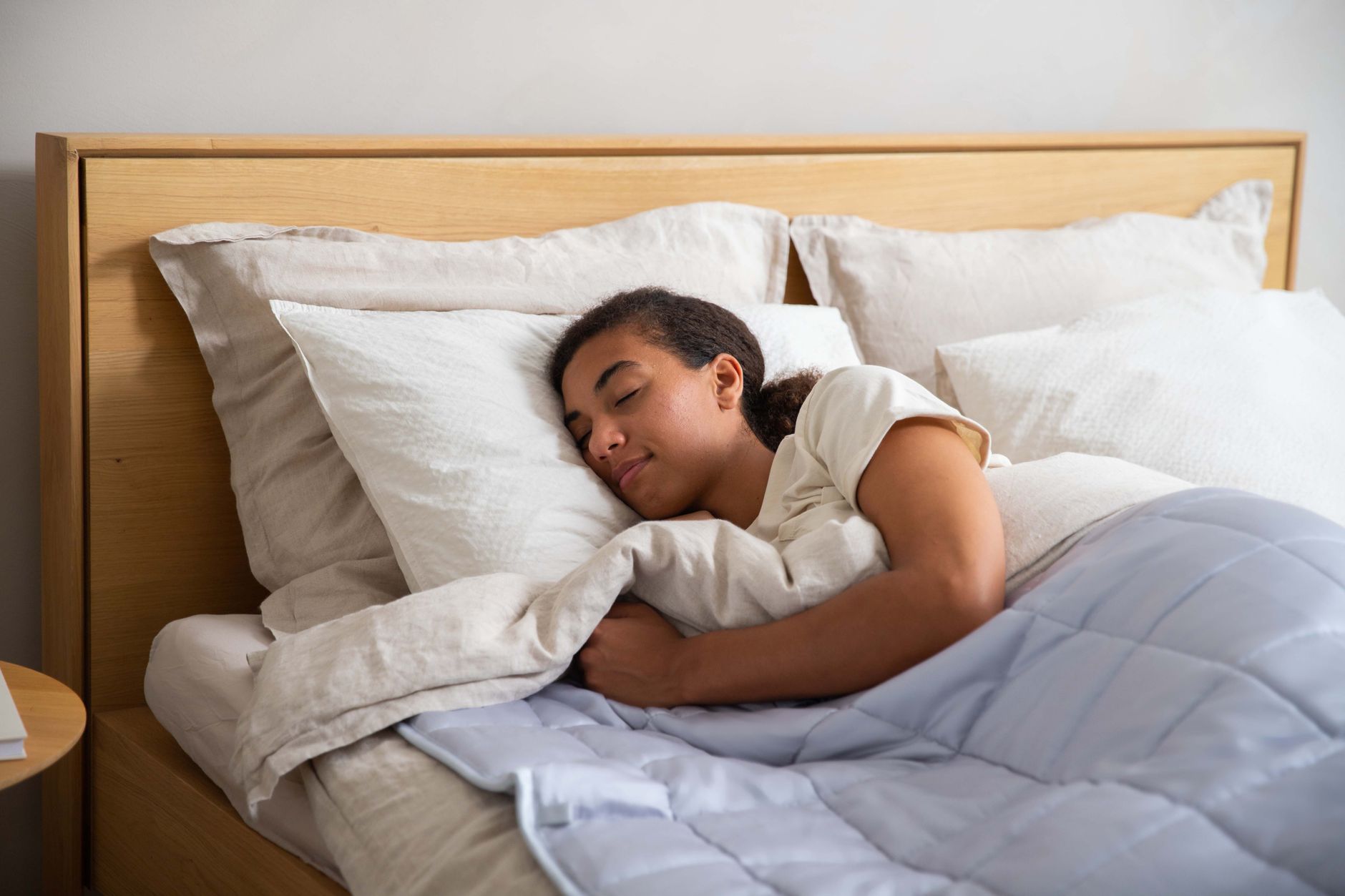
For many couples, the image of a happy marriage includes sharing a bed every night. Lately, though, a growing number of couples are questioning that assumption. The idea of a “sleep divorce,” in which partners deliberately sleep in separate beds or bedrooms, has moved from the fringes of relationship advice into mainstream conversation. Its supporters argue that a good night’s sleep for each partner can make the rest of the relationship better.
The term sounds dramatic, and it is not a sign that a couple is heading for separation. It describes a practical arrangement that many couples choose to protect their rest, their health, and ultimately their closeness. Here is a closer look at why the approach is gaining ground and what it can mean for your relationship.
Why Sleep Matters More Than We Think
Sleep is not a luxury. Major health organizations, including the American Academy of Sleep Medicine and the Sleep Research Society, recommend that most adults get at least seven hours of sleep per night. Consistent sleep supports memory, immune function, cardiovascular health, and emotional regulation. When sleep is chronically short or poor, people become more irritable, less patient, and less able to handle stress.
These effects do not stay in the bedroom. A tired person is more likely to snap at a partner over a small comment, misread a tone of voice, or withdraw from conversation. Sleep deprivation can also reduce empathy and make conflict harder to resolve. For couples already dealing with busy schedules, financial pressure, or parenting demands, a sleep deficit can quietly widen the emotional distance between them.
The Hidden Cost of Sharing a Bed
Sharing a bed is intimate, but it is not always restful. Common sleep disruptors include:
- Snoring, which affects a large share of adults and can be loud enough to wake a partner repeatedly.
- Sleep apnea, a condition in which breathing repeatedly stops and starts during sleep. A widely cited 2019 analysis in The Lancet Respiratory Medicine estimated that close to 1 billion adults worldwide have mild to severe obstructive sleep apnea, and many remain undiagnosed.
- Movement, such as tossing, turning, or restless leg symptoms, which can transfer through the mattress.
- Different schedules, when one partner goes to bed early and the other is a night owl.
- Temperature preferences, since one person may want a cool room and the other a warm blanket.
- Light and noise, from phones, reading lamps, or late-night television.
Many people have learned to live with these disruptions. They may wake up several times a night without fully realizing it, then spend the day feeling foggy and short-tempered. Over months and years, that cumulative fatigue can affect the relationship in ways that are hard to trace back to the bed.
What a Sleep Divorce Actually Looks Like
A sleep divorce does not require a dramatic decision or a formal announcement. For some couples, it means one partner moves to the guest room on nights when snoring is especially bad. For others, it means buying two mattresses pushed together with a divider, or setting up separate bedrooms as a standing arrangement.
The approach is flexible. Some couples sleep apart only during weekdays when work demands early rises. Others do it during illness, pregnancy, or periods of high stress. Some sleep together for part of the night and then move apart. What matters is that the arrangement is chosen by both partners and serves the goal of better rest.
Experts who discuss the topic often stress that the key is communication. Couples who frame separate sleep as a rejection tend to experience it as painful. Couples who frame it as a shared strategy for health and happiness usually find it easier to accept.
How Better Sleep Can Strengthen Your Relationship
The benefits of sleep separation are most visible in the daytime. When both partners wake up rested, they often report:
Better mood and patience. A well-rested person is more likely to respond calmly to a partner’s frustrations and less likely to escalate small disagreements.
Improved communication. Fatigue reduces the energy needed for thoughtful conversation. With adequate sleep, couples can talk through problems more clearly and listen more carefully.
More physical and emotional intimacy. This may sound counterintuitive, but many couples find that sleeping apart leaves them more eager to reconnect. Time together becomes intentional rather than automatic. Some couples describe a renewed sense of anticipation, such as a bedtime conversation or a planned evening together.
Fewer resentments. Chronic sleep loss can breed silent resentment. One partner may feel angry about being kept awake, while the other feels guilty. Removing the nightly friction can ease that tension.
Better individual health. Improved rest supports better weight management, blood pressure, and mental health. A healthier partner is generally better equipped to contribute to a healthy relationship.
Relationship counselors who support separate sleep often describe it as a form of self-care for the couple. It is not about wanting less of each other. It is about making sure each person has the energy to show up fully for the relationship.
Addressing the Concerns
Not everyone feels comfortable with the idea, and it is worth acknowledging the concerns. Some people worry that sleeping apart signals a loss of closeness or that it will make them feel lonely. Others fear that it will become a permanent habit that gradually reduces physical affection.
These worries are valid, and they are best addressed openly. Couples can agree on rituals that preserve connection, such as a goodnight kiss, a morning cup of coffee together, cuddling before one partner falls asleep, or regular weekend nights in the same bed. It can also help to set a timeline or check-in point to see whether the arrangement is working.
It is also important to rule out medical causes. If one partner snores heavily, gasps during sleep, or feels exhausted despite a full night in bed, a visit to a doctor or sleep specialist is worthwhile. Treatments for sleep apnea, insomnia, or restless legs can sometimes make sharing a bed possible again, and they benefit overall health regardless of living arrangements.
Making It Work for Your Relationship
If you are considering a sleep divorce, start with an honest conversation. Explain what you have been experiencing at night and how it affects you during the day. Listen to your partner’s perspective with curiosity rather than defensiveness. Many couples find that they both have been quietly struggling with sleep and were relieved when someone finally raised the subject.
Next, think practically. Would separate bedrooms, a guest room, or a split mattress setup work best? Could you try a trial period of two or three weeks to see how it feels? Agree in advance on how you will stay connected, whether through physical affection, shared routines, or time set aside for conversation.
Finally, remember that the goal is a healthier, happier relationship, not a perfect sleeping arrangement. Some couples sleep together every night and thrive. Others need a different setup to feel rested and emotionally available. Neither choice is better in itself. What matters is that both partners feel respected, cared for, and able to build the life they want together.
A sleep divorce is not a sign of failure. For many couples, it is a thoughtful response to a common problem: two people trying to rest in the same space while dealing with snoring, movement, different schedules, and different body temperatures. By prioritizing quality sleep, couples can often improve their mood, communication, and emotional connection.
The idea challenges the notion that a good marriage must involve sharing every hour of the night. Instead, it suggests that marital harmony can grow from respecting each other’s needs, including the basic need for rest. If you and your partner have been exhausted, irritable, or disconnected, a conversation about sleep might be the first step toward a more peaceful relationship.