

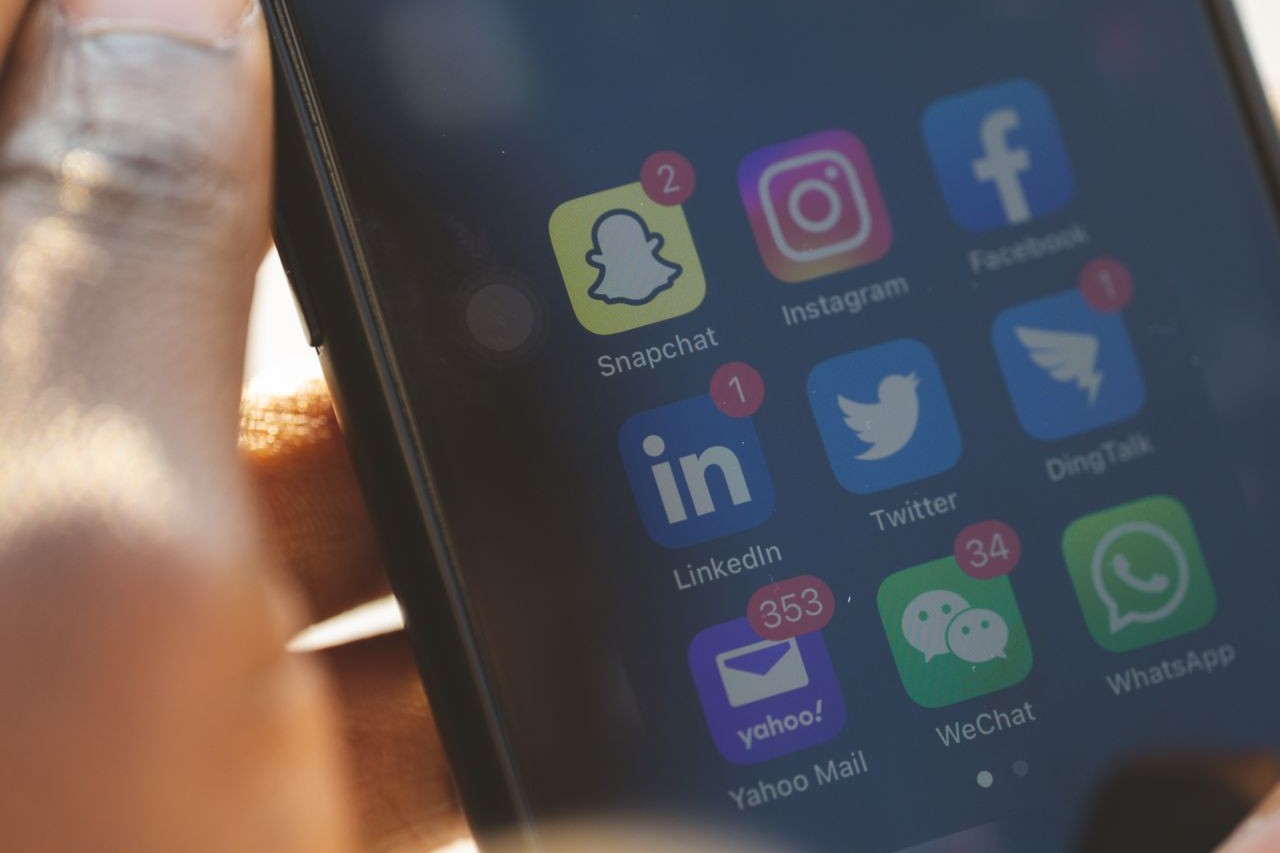
In the modern digital age, opening a smartphone has become an involuntary reflex. Within seconds of unlocking the screen, millions of users plunge into a continuous stream of curated highlights, milestone announcements, and aesthetically flawless lifestyles. While platforms designed to connect us promise a global village of shared human experience, they frequently deliver something entirely different: a breeding ground for endless evaluation.
At the heart of this phenomenon is a cycle psychologists refer to as the social media comparison loop. This cognitive loop traps users in a persistent habit of measuring their behind-the-scenes reality against the polished highlight reels of others. Understanding how this loop operates, why our brains are uniquely vulnerable to it, and how to reclaim our mental wellness through intentional practices like a digital detox is essential for navigating the modern online landscape.
The Evolutionary Trap: Why We Compare Ourselves Online
To understand the psychological toll of platforms like Instagram, TikTok, and LinkedIn, we must first examine human evolution. For centuries, social comparison served as a vital survival mechanism. In ancestral times, evaluating one’s status, capabilities, and resources relative to the tribe helped individuals understand where they stood and what they needed to do to fit in and survive.
However, our ancient brains were never designed to process the sheer volume of data delivered by the digital world. In the physical world, our comparison group was limited to our immediate neighbors, classmates, or coworkers—a manageable pool of dozens or perhaps hundreds of people. Today, social media exposes us to thousands of people simultaneously, spanning global celebrities, elite professionals, and hyper-curated peers.
When a user engages in social media comparison, they rarely compare their average, mundane Tuesday morning to someone else’s average Tuesday. Instead, they compare their entire existence—including self-doubt, financial stress, and relational friction—to a statistically impossible composite of other people’s absolute best moments. This creates a distorted perception of reality where ordinary life feels inadequate.
The Mechanics of the Comparison Loop
The comparison loop is sustained by specific psychological mechanisms and platform designs engineered to capture human attention. The cycle typically begins with passive scrolling. Research distinguishes between active social media use (direct messaging, posting, and interacting meaningfully) and passive use (mindlessly consuming content without engagement). Passive scrolling is the primary catalyst for the comparison loop.
As users scroll, they encounter upward social comparisons—evaluating themselves against individuals they perceive as superior in terms of wealth, beauty, success, or happiness. According to Festinger’s Social Comparison Theory, upward comparisons can sometimes inspire self-improvement. On social media, however, they far more frequently trigger feelings of inadequacy, envy, and relative deprivation.
The psychological impact of this process is compounded by the variable reward schedule built into algorithmic feeds. Like a slot machine, every swipe offers the potential for a new piece of information, a new achievement to envy, or a validation hit in the form of likes and comments. This keeps the user tethered to the screen, deepening the groove of the comparison loop. Over time, repeated exposure to idealized digital personas alters neural pathways, reinforcing negative self-talk and diminishing self-esteem.
Mental Health Consequences: Anxiety, Depression, and Burnout
The consequences of perpetual digital comparison extend far beyond momentary feelings of envy. Clinical psychologists and researchers have increasingly linked heavy, comparison-driven social media habits to a decline in overall mental wellness.
One of the most prominent outcomes is the intensification of anxiety and depressive symptoms. When individuals consistently internalize the message that their lives are falling short of societal benchmarks, chronic stress sets in. This stress activates the body’s fight-or-flight response, flooding the system with cortisol. Over extended periods, this chronic activation leads to emotional exhaustion, sleep disturbances, and burnout.
Furthermore, these platforms frequently foster a sense of “FOMO”—the fear of missing out. Seeing peers attend exclusive events, achieve career milestones, or enjoy idyllic vacations triggers a profound sense of exclusion. Paradoxically, while social media was created to increase connectedness, the comparison loop often leaves users feeling profoundly isolated and lonely. The more time spent viewing others’ curated social lives, the less time and emotional energy remains for authentic, vulnerable offline relationships.
Shifting Online Habits for Sustainable Well-being
Recognizing the psychological friction caused by digital environments does not necessarily mean abandoning technology altogether. For most people in the modern workforce and social sphere, complete abstinence is impractical. Instead, the solution lies in transforming our online habits and cultivating digital hygiene.
Transforming online habits begins with radical self-awareness. Users must audit their digital consumption by asking critical questions: How do I feel after closing this specific app? Which accounts trigger feelings of inadequacy rather than joy or education? By identifying the specific triggers within their feeds, users can curate their digital environments more intentionally.
Unfollowing or muting accounts that consistently provoke negative comparisons is a powerful act of self-preservation. Social media feeds should function as intentional spaces that reflect personal values, interests, and supportive communities, rather than unregulated showrooms for other people’s achievements.
Additionally, shifting from passive consumption to active engagement can disrupt the loop. Limiting mindless scrolling in favor of purposeful interaction—such as catching up directly with a close friend via direct message or sharing authentic, unedited moments—helps restore a sense of agency.
The Power of the Digital Detox
When online habits become deeply entrenched and the comparison loop feels inescapable, a more structured intervention is required: the digital detox. A digital detox involves intentionally stepping away from screens and social media platforms for a designated period, ranging from a single weekend to several weeks.
The benefits of a digital detox are both immediate and profound. Removing the constant influx of curated imagery allows the brain’s baseline dopamine levels to reset. Without the incessant pressure to evaluate and be evaluated, individuals often report a dramatic reduction in anxiety, clearer thinking, and improved sleep quality.
More importantly, a digital detox creates mental white space. It forces individuals back into the physical world, where they can reengage with tangible hobbies, nature, and face-to-face interactions. In the absence of digital validation, self-worth begins to anchor in internal values, personal achievements, and authentic relationships rather than external metrics like likes, followers, and aesthetic perfection.
Reclaiming the Digital Experience
Social media is neither inherently good nor entirely evil; it is a tool shaped by how we choose to use it. However, because these platforms are engineered to exploit human psychology for engagement, navigating them requires vigilance and boundaries.
The social media comparison loop thrives in the shadows of unconscious consumption. By understanding the evolutionary roots of our behavior, recognizing the psychological toll of upward comparisons, and actively reshaping our online habits, we can neutralize the toxic impact of digital comparison.
Prioritizing mental wellness in a hyper-connected world requires courage—the courage to log off, to embrace an unedited life, and to remember that behind every polished digital avatar is simply another human being navigating their own complex reality. True fulfillment is found not in the highlights we broadcast to the world, but in the quiet, authentic moments we live for ourselves.