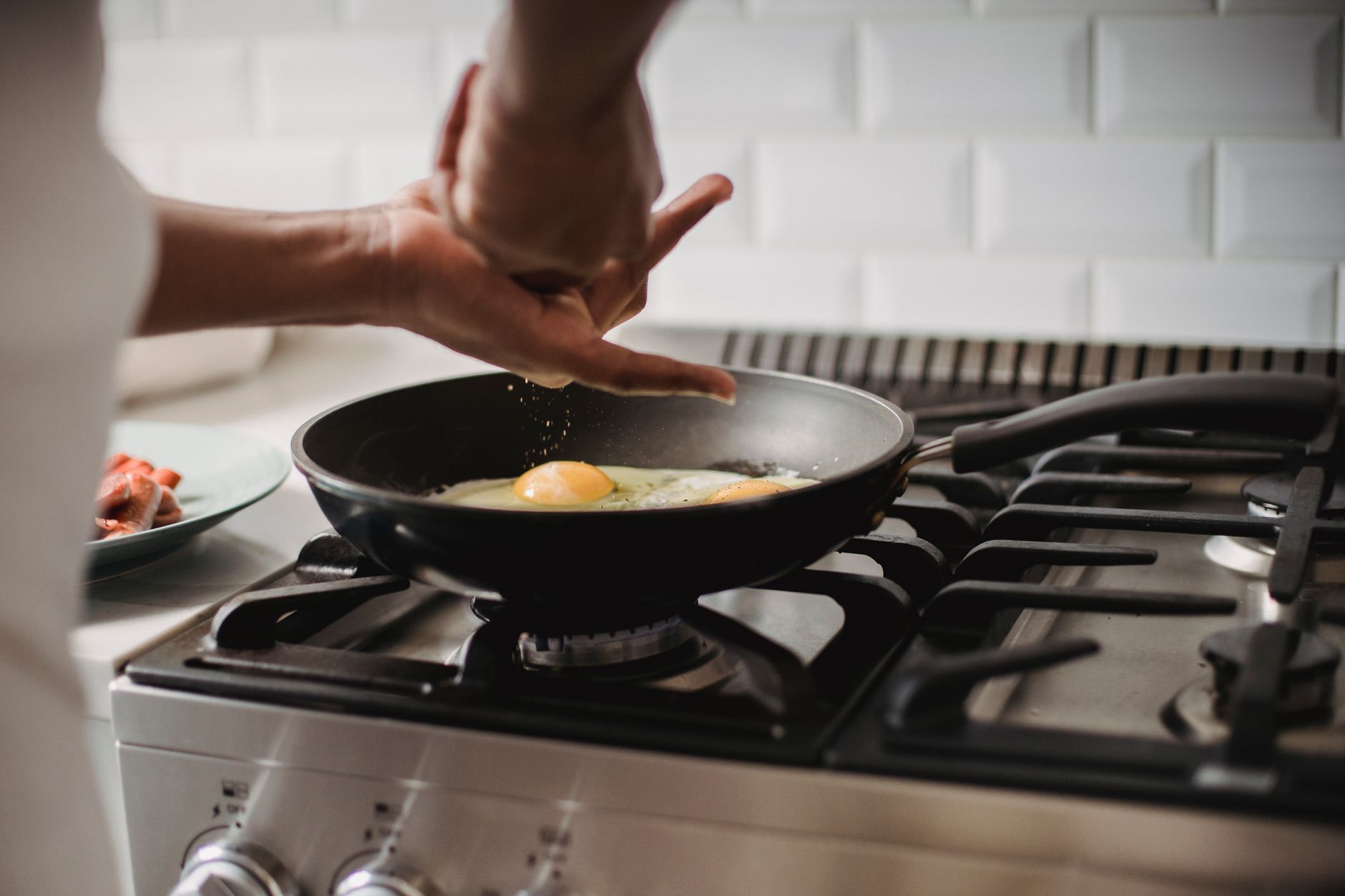
When it comes to breakfast staples, few dishes are as universally beloved as scrambled eggs. Soft, warm, and comforting, they are the ultimate test of a home cook’s skills. Achieving that ethereal, cloud-like texture often leads people down a rabbit hole of culinary experiments. We search for the best cooking tips, test viral recipe advice, and follow the latest food trends hoping to unlock the secret of professional chefs.
However, in our pursuit of breakfast perfection, many of us fall victim to long-standing culinary myths. Generations have passed down kitchen habits that do more harm than good to delicate eggs. Among these well-intentioned mistakes, one stands out as the ultimate offender. If you want to elevate your morning routine, there is one common ingredient you need to stop adding to your pan immediately.
The Ultimate Breakfast Betrayal: Milk
For decades, standard kitchen wisdom has dictated that if you want fluffy, tender scrambled eggs, you need to whisk in a splash of milk, cream, or even water. Recipe advice columns and morning television segments have propagated this myth for years. The logic seems sound at first glance: adding a liquid should increase the moisture content, resulting in a creamier, more voluminous scramble.
Unfortunately, science and top-tier chefs beg to differ.
When you add milk to your raw eggs, you are actually working against the natural chemistry of the ingredient. As the eggs heat up in the pan and begin to coagulate, the excess liquid from the milk separates. Instead of creating a luscious texture, the milk waters down the rich, savory flavor of the egg and introduces too much moisture. As this moisture evaporates during cooking, it creates a watery pool at the bottom of your pan and results in rubbery, overcooked curds.
Milk dilutes the delicate proteins of the egg. When proteins are over-diluted and subjected to heat, they squeeze out water and tighten up too quickly, leading to a tough and dry texture. If you have ever wondered why your homemade scrambled eggs taste a bit bland and watery compared to those at a high-end brunch spot, the splash of milk you added at the beginning is likely the culprit.
Understanding the Chemistry of Perfect Eggs
To master the art of the scramble, it helps to understand what an egg actually is. An egg is essentially a delicate network of proteins suspended in water, encased in fat and nutrients within the yolk. When heat is applied, these proteins unfold, bond together, and trap moisture in a matrix.
According to culinary experts and food scientists, the key to keeping this matrix tender is controlling the rate of coagulation. Gentle heat and constant movement are far more important than any additive. Introducing dairy not only disrupts the protein bonding process, but the lactose (milk sugar) in the milk can also brown too quickly, introducing an unwanted scorched flavor before the eggs are fully cooked.
If you are looking to adopt better cooking tips, the golden rule is to let eggs be eggs. They already contain all the moisture and fat they need to achieve a luxurious texture, provided you treat them with care and respect in the pan.
What You Should Be Doing Instead
Eliminating milk from your egg-prepping routine opens the door to genuinely professional techniques. If you want to follow the latest food trends in breakfast gastronomy without falling for gimmicks, look to the methods used by French culinary masters.
1. Embrace the Power of Butter
If richness is what you are after, ditch the milk and reach for real butter. Rather than whisking dairy into the raw eggs, add a generous tablespoon of cold butter directly into a warm pan. As the butter melts, it coats the pan and introduces fat gradually as the eggs cook. Alternatively, whisking a small pat of softened butter directly into the beaten eggs right before they hit the heat will create a glossy, velvety sheen that milk could never achieve.
2. Low and Slow is the Only Way
One of the biggest reasons people feel compelled to add milk is to prevent their eggs from drying out on high heat. The real solution is temperature control. Cook your eggs over low to medium-low heat. Stir them constantly and gently with a silicone spatula, scraping the bottom of the pan to form soft, pillowy curds. Remove the pan from the heat just a moment before you think they are done; carryover heat will finish the job on the plate, ensuring they remain moist and tender.
3. Season at the Right Time
Another common debate in the culinary world revolves around when to add salt. Salting your raw eggs too far in advance can draw out moisture through osmosis, making them tough. However, adding a pinch of salt just before cooking—or even right as they hit the pan—actually helps season the proteins and keeps the eggs tender by interfering with tight protein bonding.
Elevating Your Scramble the Right Way
Once you stop relying on the crutch of milk, you can experiment with flavor profiles that genuinely enhance the natural taste of eggs. Instead of masking the flavor with dairy, try incorporating fresh herbs like chives, tarragon, or parsley folded in at the very end of cooking. A grating of fresh parmesan cheese folded in just before removing the eggs from the heat can add a savory umami depth without ruining the texture.
Food trends come and go, with everything from cloud eggs to cottage cheese additions dominating social media feeds. While adding cottage cheese or sour cream at the end of cooking can yield a delicious, rich scramble (thanks to the concentrated curds and live cultures), dumping liquid milk into raw eggs remains a culinary misstep best left in the past.
By refining your technique, lowering your heat, and letting go of the milk carton, you will transform a mundane breakfast into a restaurant-quality experience. Your palate—and your morning routine—will thank you.