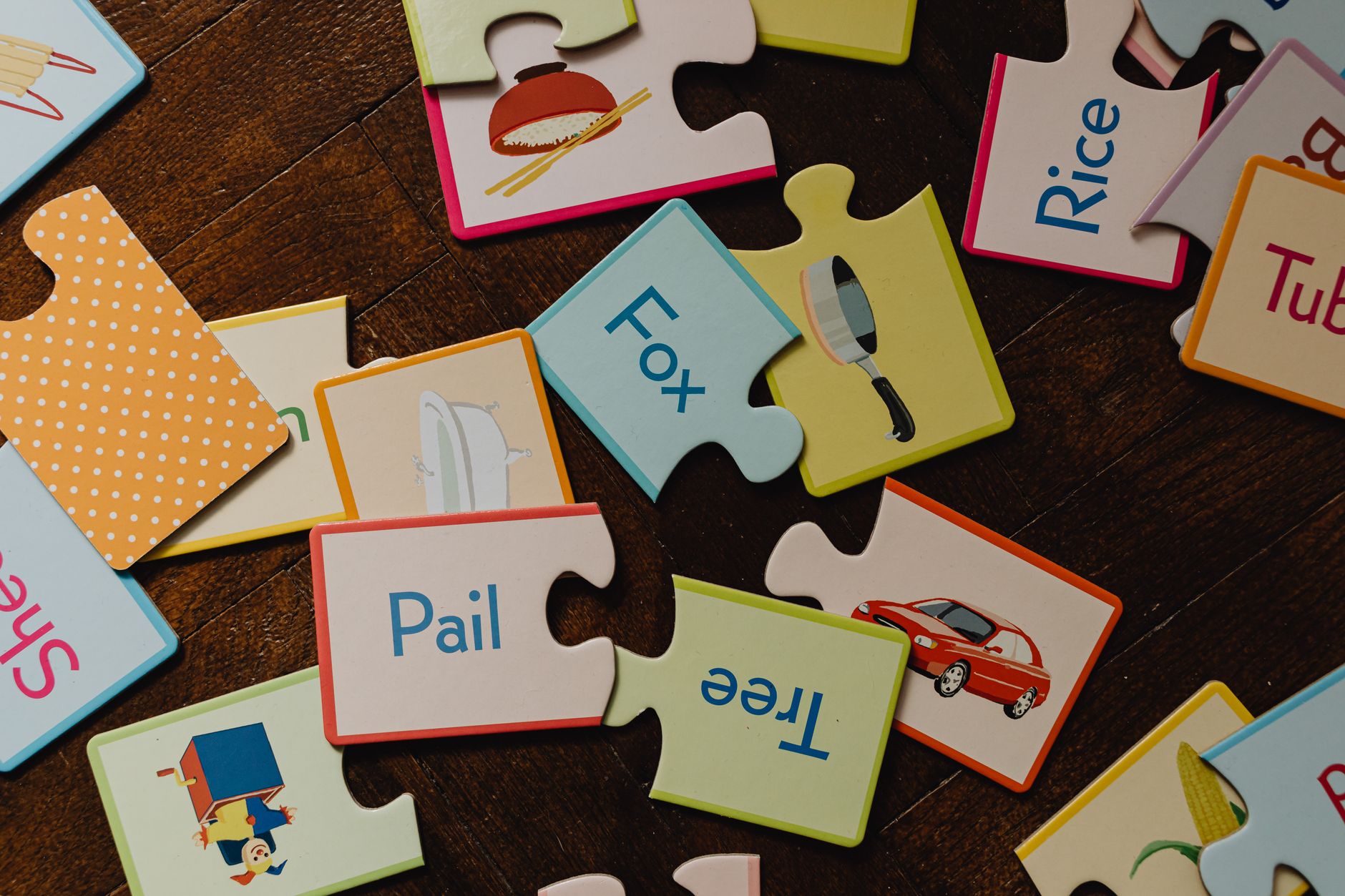
Bedtime reading is one of the most beloved rituals in early childhood. For many parents, it is the calmest part of the day: the lights dim, the child curls up, and a familiar story unfolds. It feels undeniably good for development. And it usually is. But research in early childhood development suggests that some well-intentioned bedtime reading habits can, without anyone noticing, work against toddler vocabulary growth rather than for it.
This is not about reading being harmful. The evidence is overwhelming that shared reading supports language acquisition, attention, and bonding. The issue is subtler: certain patterns in how parents read at bedtime can quietly limit the number of words a toddler actually processes, practices, and stores. Since vocabulary growth in toddlers is driven less by exposure to books and more by the quality of interaction around those books, the details of the routine matter enormously.
Why Bedtime Reading Matters So Much for Toddler Vocabulary Growth
Vocabulary development in the toddler years is one of the fastest cognitive leaps in human life. Between roughly 18 months and 3 years, many children move from a handful of words to hundreds, then thousands. Pediatric and developmental research consistently links this burst to the quantity and quality of language children hear and engage with in everyday interactions.
Bedtime reading is a high-value window for that growth because it is one of the few times of day when a toddler has undivided adult attention, a quiet environment, and repeated exposure to the same text. Repetition builds memory. Rhythm and rhyme build phonological awareness. Questions and conversation build comprehension.
But a crucial nuance emerges from decades of child language research: children learn vocabulary best from interactive, back-and-forth language, not passive listening. When reading becomes a performance delivered to a child rather than a conversation shared with a child, its vocabulary benefits shrink. That distinction is at the heart of the habits described below.
Habit 1: Reading Only at Bedtime, When the Child Is Already Exhausted
Timing is the most overlooked factor in bedtime reading tips. Bedtime is, by definition, a moment of declining alertness. For toddlers, that window can be notoriously narrow. By the time pajamas are on and the story begins, a child may already be past their optimal learning state, drifting toward sleep and absorbing very little.
The problem is that many families rely on bedtime as their only reading session. If a toddler’s sole exposure to books happens when they are tired, the input is diluted. Language researchers note that children retain new words far better when they are engaged and alert than when they are drowsy.
The fix is not to abandon bedtime stories but to add a daytime reading slot. A morning or after-nap session, even ten minutes long, tends to produce richer responses from a toddler and gives the bedtime story a lower-stakes, purely comforting role. Bedtime can then do what it does best: wind-down and bonding.
Habit 2: Reading to the Child Instead of with the Child
This is the single most consequential habit on the list. A parent who reads every word faithfully while the toddler listens passively is doing a fine thing, but it is not the most efficient path to vocabulary growth.
Early childhood development research repeatedly highlights a pattern called dialogic reading: pausing to ask questions, pointing at pictures and naming them, letting the child fill in words, and responding to what the child says. In dialogic reading, the adult becomes a conversation partner rather than a narrator. Studies on shared reading have found that this interactive style produces noticeably stronger vocabulary gains than simply reading the same books straight through.
Practically, this means small changes in how a bedtime story is delivered:
- Pause before the end of a sentence and let the toddler finish it.
- Point to images and ask simple, open questions: “What is the bear doing?”
- Follow the child’s attention rather than the printed text.
- Link the story to the child’s own life: “Remember when we saw a dog like that?”
None of this requires new books or extra time. It requires turning the story into a two-way exchange, which is exactly what toddler vocabulary growth feeds on.
Habit 3: Choosing Books That Are Far Above the Child’s Level
Parents understandably want to introduce rich language early. But carefully controlled studies of shared reading show that comprehension drives vocabulary learning: a child absorbs new words when they can follow the story and connect the new word to something familiar.
When a bedtime book is too advanced in length, sentence complexity, or abstraction, toddlers tune out. The story becomes background noise rather than a learning channel. Worse, the parent may rush through text the child cannot follow, further reducing interaction.
The sweet spot is a book that is engaging but still within reach: short sentences, clear pictures, recognizable routines, and just enough new words to stretch understanding. Picture books with repetitive phrasing and simple cause-and-effect plots tend to work exceptionally well for toddlers, precisely because repetition gives the brain multiple passes at the same vocabulary.
A useful rule of thumb is to mix levels deliberately. Keep the bedtime book familiar and comfortable, and save the slightly more challenging stories for alert, daytime reading sessions.
Habit 4: Rushing the Routine to Get to Lights-Out
Many bedtime routines are under quiet time pressure. Parents are tired, the evening has run long, and the goal becomes finishing the book rather than experiencing it. But speed is one of the quietest enemies of vocabulary growth.
Toddler language learning depends on pauses. Children need time to process a word, recognize it, and respond. A rushed reading gives no processing space. Research on early language environments emphasizes that conversations involving back-and-forth turns, sometimes called conversational turns, are strongly associated with language development. Each turn takes time.
Useful adjustments include shortening the book so it can be read slowly rather than reading a long book at speed, allowing a few seconds of silence after questions, and accepting fewer pages with more conversation. A focused five-minute exchange is often worth more than fifteen minutes of hurried narration.
Habit 5: Letting Screens Do the Reading
Audiobooks and reading apps are convenient, and they have their place. But for toddlers, screen-based or audio-only reading cannot replace the interactive elements that drive vocabulary: eye contact, pointing, responding, and the adult adjusting language to the child’s level.
Studies on bilingual and monolingual toddlers alike have found that children learn words better from live, responsive interaction than from equivalent recorded input. A bedtime video may calm a child, but it rarely builds vocabulary the way a parent’s interactive reading does. If screens are part of the routine, positioning them as a supplement rather than a substitute for parent-led reading matters.
Habit 6: Choosing the Same Few Books Forever Without Varying Language
Repetition is genuinely good for toddlers. Familiar books build confidence and memory. But long-term reliance on an unchanging handful of the simplest board books can plateau vocabulary growth. Once a child has mastered the words in a book, the returns from re-reading that exact text without variation decline.
The solution is not to remove favorites but to expand the verbal world around them. Even a well-worn book can be re-read with new questions, new comparisons, and new vocabulary layered on. Extending familiar topics, such as talking about what a character eats, where they sleep, or how they feel, stretches language while keeping the comfort of the known story.
Habit 7: Reading Only at the Child, Never Asking Them to Tell It Back
One frequently overlooked aspect of bedtime reading tips is the value of retelling. Research on narrative skills and vocabulary shows that when children are invited to retell a story or describe a picture in their own words, they practice retrieving and using vocabulary, which strengthens retention.
For toddlers, this can be as simple as asking, “What happened to the duck?” or “Can you show me the red truck?” It does not need to be a formal exercise. The goal is to shift some of the verbal workload onto the child. Passive listening builds familiarity; active retelling builds vocabulary.
Habit 8: Making Reading Conditional or Rare, So It Becomes a Reward Rather Than a Routine
Some families reserve reading for special occasions or use it as a bargaining tool, which can inadvertently reduce overall exposure. Consistency matters more than intensity in early childhood development. Children whose environment includes regular, predictable language-rich routines tend to show stronger vocabulary growth than children with sporadic, high-intensity exposure.
Bedtime reading works best as a reliable, expected part of the day, not a treat to be earned. Even five minutes, every night, adds up to dozens of hours of language interaction over a year.
What a Vocabulary-Boosting Bedtime Reading Routine Looks Like
None of these habits mean parents need to overhaul their evenings. The most effective adjustments are small and low-effort:
- Add one alert-time reading session during the day.
- Turn bedtime stories into conversations with pauses and questions.
- Match books to the child’s comprehension level.
- Read slowly, even if it means shorter books.
- Re-read favorites, but vary the language around them.
- Invite the toddler to point, name, and retell.
- Keep reading consistent rather than occasional.
Together, these changes move bedtime reading from passive exposure to active language engagement, which is where the measurable gains in toddler vocabulary growth actually come from.
The Bottom Line for Parents
Reading to a toddler at bedtime is not a mistake. It is a gift. The habits that “accidentally” slow vocabulary growth are not failures of love or effort; they are small structural patterns that reduce interaction, such as exhaustion-driven timing, passive narration, over-leveled books, rushed pages, and screen substitutions.
The good news is that language development in toddlers is flexible. Vocabulary growth responds to conversation, repetition with variation, and the back-and-forth rhythm of shared attention. By turning the bedtime story into a dialogue rather than a broadcast, parents can keep the comfort of the ritual while making it a genuinely powerful engine for early childhood development. The goal is not to read more. It is to read in a way that invites the child into the story, one word, one question, and one turn at a time.