

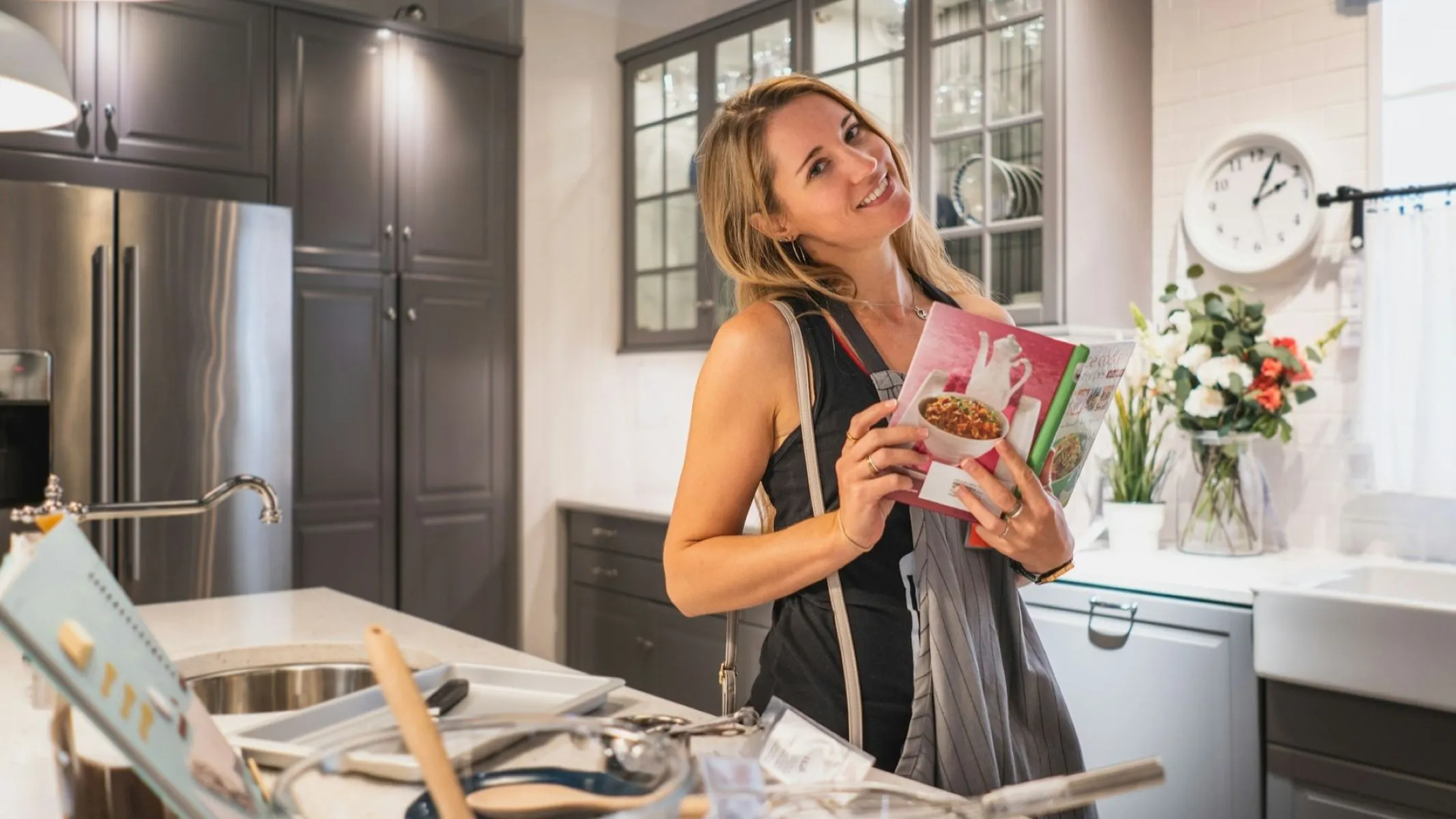
middleportal.com – The image of the domestic sphere has undergone a radical transformation over the last decade. While the term once evoked a very specific, traditional imagery from the mid-20th century, today’s landscape is far more complex. Being a modern housewife in the current era is rarely a simple “default” setting; instead, it has become a nuanced life choice navigated amidst shifting social values and significant global economic pressures. It is a role defined as much by digital savvy and financial planning as it is by nurturing a home.
Understanding the Role of the Modern Housewife
To understand this shift, we must first define what a modern housewife actually represents in the 2020s. Unlike previous generations, today’s domestic managers often bring high levels of education and professional experience to the home. This role is no longer defined by a lack of options, but often by a deliberate decision to prioritize family stability, personal well-being, or the management of a complex household ecosystem. It is a multifaceted position that requires balancing emotional labor with practical logistics in an increasingly fast-paced world.
Redefining Domestic Roles in a New Era
Redefining modern domestic roles begins with acknowledging that the “home” is now a high-functioning hub. The modern housewife isn’t just maintaining a space; she is often the Chief Operating Officer of the family. This evolution reflects a broader cultural change where domestic work is being re-evaluated for its true value. It’s about creating a foundation that allows every member of the family to thrive, which requires a blend of traditional empathy and modern efficiency.
Navigating the High Cost of Living
However, this choice is increasingly shadowed by the high cost of living impact. In many urban centers, the dream of a single-income household is becoming a luxury that feels out of reach for the middle class. Inflation, rising housing costs, and the general price of consumer goods mean that staying home is often a calculated financial risk. Many women find themselves weighing the emotional benefits of being present at home against the mathematical reality of a shrinking household budget.
The Search for Personal Fulfillment
The tension between personal fulfillment and duty is a central theme in the lives of many women today. There is a deep, quiet satisfaction in being the heartbeat of a home, yet the modern woman is also raised to seek individual achievement. Finding a sense of self that isn’t entirely swallowed by domestic chores is a vital part of the journey. It requires a conscious effort to pursue hobbies, education, or personal projects that exist outside the identity of “wife” or “mother.”
The Reality of Dual-Income Necessities
For a significant portion of the population, the dual-income household necessity dictates their daily reality. Even when a woman desires to focus entirely on the home, the economic architecture of modern society often demands two paychecks to maintain a basic standard of living. This creates a “double burden” where many women are managing the household while also contributing significantly to the bank account, leading to a constant state of negotiation between time and money.
Mastering the Household Financial Budget
Because of these pressures, managing household financial budgets has become a core competency for the modern housewife. Strategic spending, long-term investment planning, and frugal living are no longer just “home economics”—they are essential survival skills. Many stay-at-home partners are the primary financial strategists of their families, ensuring that every dollar is maximized to provide security for the future.
Leveraging Remote Work Flexibility
One of the most significant silver linings in recent years is the rise of remote work flexibility benefits. The line between “housewife” and “career woman” has blurred, as technology allows many to manage a home while maintaining a professional presence online. This hybrid model offers a way to stay connected to the workforce and maintain financial relevance without sacrificing the ability to be present for a child’s milestones or a partner’s needs.
Balancing Career and Family Aspirations
Balancing career and family remains the ultimate tightrope walk. The modern housewife often views her time at home not as an end to her professional life, but as a different season of it. Many use this time to pivot, learn new skills, or engage in freelance work that offers the autonomy they crave. It is about finding a rhythm that respects both the need for professional growth and the irreplaceable value of a stable home environment.
Breaking Traditional Gender Stereotypes
We are also witnessing a significant shift in breaking traditional gender stereotypes. The modern household is increasingly a partnership where roles are fluid. While one partner may take the lead on domestic duties, the rigid “breadwinner vs. homemaker” labels are dissolving. This evolution allows for more authentic living, where choices are based on a family’s specific needs and strengths rather than outdated societal expectations.
Addressing Mental Health and Isolation
It is crucial to speak openly about mental health and isolation. The transition from a bustling office to a quiet home can be jarring, leading to a sense of “invisible labor” that goes unthanked. Modern housewives are increasingly turning to digital communities and local networks to find the social stimulation and emotional support necessary to combat the loneliness that can sometimes accompany domestic life.
The Impact of Rising Childcare Expenses
The choice to stay home is often heavily influenced by rising childcare service expenses. In many cases, the cost of high-quality daycare nearly matches or exceeds a second salary, making the decision to stay home a logical economic move. When childcare becomes a financial wash, the “modern housewife” role becomes the most sensible way to ensure children receive consistent, personalized care without draining the family’s resources.
Utilizing Digital Tools for Efficiency
Efficiency is the hallmark of the current generation, thanks to digital tools. From grocery delivery apps and automated budgeting software to smart home devices, the modern housewife uses technology to streamline the mundane. This “tech-forward” approach to homemaking frees up valuable mental space, allowing for more quality time with family and less time spent on repetitive manual tasks.
Confronting the Social Stigma of Staying Home
Despite the complexity of the role, the social stigma of staying home still persists in some circles. There is an unfortunate narrative that staying home is a “step back” for women’s empowerment. However, true empowerment is the freedom to choose the path that best suits one’s life. Modern housewives are reclaiming this narrative, asserting that managing a home is a sophisticated, high-value contribution to society.
The Role of Educational Backgrounds
The educational backgrounds of housewives today are more diverse than ever. Many hold advanced degrees and have years of corporate experience. This intellectual foundation changes how they approach homemaking, bringing analytical thinking and organizational expertise to the domestic sphere. They are not “just” staying home; they are applying their education to the most intimate and impactful area of human life.
Mitigating Long-Term Career Gap Risks
There are, of course, practical concerns regarding long-term career gap risks. Stepping away from a full-time career for several years can make re-entry difficult. Forward-thinking housewives often mitigate this by staying “career-adjacent”—attending webinars, maintaining professional certifications, or doing occasional consulting—to ensure their skills remain sharp for whenever they decide to return to the traditional workforce.
Strategies for Financial Independence
Maintaining financial independence strategies is vital for long-term security. Whether through personal savings, separate investment accounts, or collaborative retirement planning with a partner, the modern housewife understands that she must be an active participant in her own financial future. This ensures that her choice to stay home is a position of strength rather than one of total dependency.
The Importance of Community and Social Networking
Finally, the modern housewife thrives through community and social networking. Whether it’s through local neighborhood groups or global online forums, connecting with others in similar positions provides a sense of belonging. These networks serve as platforms for sharing resources, venting frustrations, and celebrating the unique joys of creating a home in the modern world.
Reflection on a Modern Choice
Ultimately, the journey of a modern housewife is a testament to the adaptability of the human spirit. It is a role that balances the tender needs of a family with the harsh realities of a fluctuating economy. While the pressures are real, the opportunity to redefine what it means to “run a home” is a powerful form of agency. By embracing both traditional values and modern tools, today’s housewives are crafting a new legacy of resilience, intelligence, and heart.