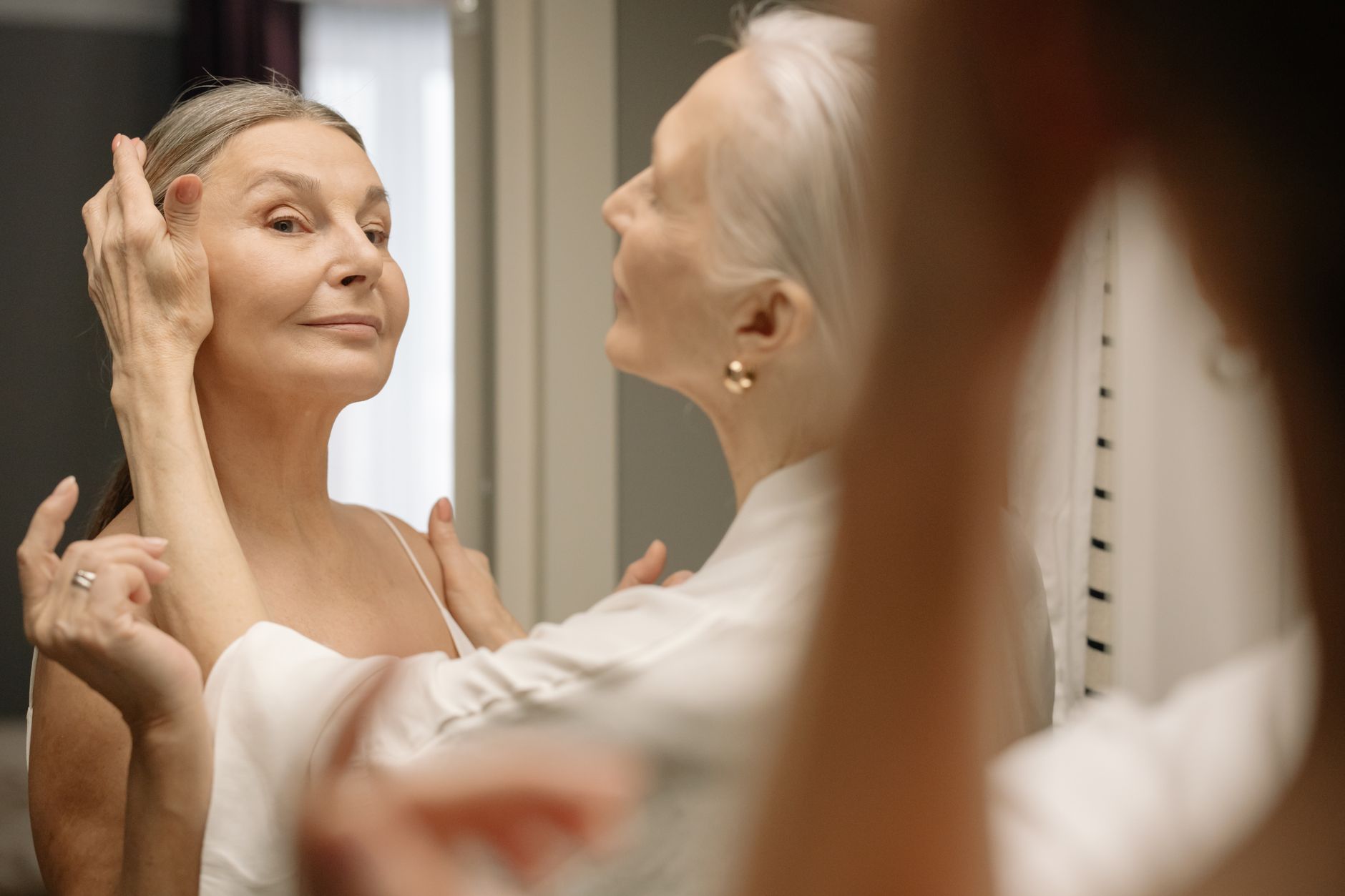
Turning 50 often arrives with a quiet moment of reflection. Some women feel liberated, while others notice a fresh set of questions about health, relationships, and purpose. Many describe this decade as a turning point, a chance to reset priorities and drop the habits that have quietly drained energy for years.
Aging gracefully is not about freezing time or pretending nothing has changed. It is about making deliberate lifestyle adjustments that support long-term well-being. Below are several things many women find worth releasing after 50, along with practical ways to make the shift.
Letting Go of the Pursuit of Youthful Perfection
Few messages are louder than the one telling women to look younger at every age. Advertising, social media filters, and cosmetic marketing often treat wrinkles, gray hair, and changing bodies as problems to fix. The pressure can be exhausting, and it often pulls attention away from things that matter more.
Accepting your face and body as they are today does not mean giving up on self-care. Sunscreen, good sleep, nourishing food, and regular movement all help skin and body health over time. The difference lies in motivation. Caring for yourself because it feels good and keeps you strong is very different from punishing yourself for not looking 35.
Many women in their 50s report that once they stopped measuring themselves against an impossible standard, they felt more confident and more comfortable in their own skin. That confidence tends to show in how they carry themselves, speak, and engage with the world.
Releasing the Habit of Saying Yes to Everything
For decades, many women have been expected to be the family organizer, the reliable friend, the unpaid caregiver, and the volunteer who never says no. By 50, the cost of that pattern can be clear: chronic fatigue, resentment, and little time left for personal goals.
Letting go of automatic yeses is one of the most powerful lifestyle adjustments a woman can make. This does not require becoming selfish or cold. It means pausing before committing, asking whether a request truly fits your energy and values, and being honest when the answer is no.
Setting boundaries can feel uncomfortable at first, especially if others have relied on you for years. Start with small changes, such as declining one extra commitment each month or delegating a household task. Over time, people adjust, and you may find that the relationships that matter most become stronger because they are built on mutual respect rather than obligation.
Dropping Guilt Over Taking Time for Yourself
Midlife self care is often framed as a luxury, something to consider once everyone else is taken care of. In reality, it is a necessity. Regular exercise, medical checkups, quality sleep, and time for hobbies are all linked to better physical and emotional health.
The World Health Organization recommends that adults engage in at least 150 minutes of moderate aerobic activity each week, along with muscle-strengthening activities on two or more days. Strength training becomes especially important after 50, because muscle mass and bone density naturally decline with age, and the years after menopause bring increased osteoporosis risk. Walking, swimming, cycling, yoga, and resistance training can all help.
Guilt is the emotional hurdle. If you feel that a walk or a class is selfish, remind yourself that a healthier, more energetic you benefits everyone around you. Scheduling self care in your calendar, just like a work meeting or a family appointment, makes it harder to dismiss.
Stopping the Comparison Game
Social media has made comparison constant. Scrolling through photos of friends, former classmates, or strangers can quickly make you feel behind on career goals, savings, relationships, or appearance. Many women carry an unspoken timeline in their heads, believing they should have reached certain milestones by a certain age.
Life after 50 rarely follows a neat script. Some women are launching businesses, going back to school, or traveling solo for the first time. Others are caring for aging parents, adjusting to an empty nest, or navigating divorce. None of these paths is a failure simply because it differs from someone else’s highlight reel.
Try reframing comparison as curiosity. Instead of asking, “Why am I not as far along as she is?” ask, “What does she do that I might enjoy trying?” Limiting time on platforms that trigger insecurity can also help you focus on your own priorities.
Ending the Cycle of Crash Dieting
Years of restrictive diets, detox teas, and rapid weight-loss promises can leave lasting damage. Metabolism, muscle mass, and hormonal balance all shift during midlife, and extreme eating patterns often backfire, leading to muscle loss and frustration.
Rather than chasing quick fixes, many women find more success with consistent, balanced eating. This generally includes plenty of vegetables, fruits, whole grains, lean proteins, and healthy fats, along with enough protein to support muscle maintenance. Calcium and vitamin D are also important for bone health, and a doctor or registered dietitian can help determine individual needs.
Letting go of the diet mindset also means letting go of food guilt. Eating a slice of cake at a birthday party is not a moral failure. Long-term patterns matter far more than any single meal.
Releasing Old Grudges and Emotional Baggage
Fifty can be a natural time for reflection. Many women look back on past hurts, family conflicts, or career disappointments and realize how much energy they have spent holding onto them. Resentment is heavy, and it can affect sleep, mood, and even physical health.
Forgiveness does not mean excusing harmful behavior or forgetting what happened. It means choosing not to let the past control your present. Some women find relief through journaling, therapy, or honest conversations with the people involved. Others simply decide that certain relationships will remain at a healthy distance.
Clearing emotional clutter creates space for joy, curiosity, and new connections. It is often one of the most freeing steps in the midlife journey.
Abandoning the Belief That It Is Too Late
Perhaps the most damaging idea to release is the belief that the best chapters are behind you. Research on aging and well-being has repeatedly found that many adults report higher emotional stability and life satisfaction in later years, even as physical challenges increase. Plenty of successful writers, athletes, entrepreneurs, and public servants have made major achievements well after 50.
Starting something new does not require a dramatic overhaul. You might sign up for a language class, learn to play an instrument, volunteer for a cause you care about, or finally take that long-postponed trip. Each small step builds momentum and a sense of purpose.
Quietly Letting Go of Unhealthy Habits
Some habits that once seemed harmless may now affect health more noticeably. Relying on alcohol to unwind each evening can disrupt sleep and worsen mood. Skipping meals, ignoring persistent symptoms, or avoiding routine checkups can also carry real consequences.
Replacing these habits does not have to be drastic. Consider alternatives such as a warm shower, a short walk, or a relaxing book to close the day. Keep up with recommended screenings, including those for blood pressure, cholesterol, and bone density, and speak openly with your doctor about menopause symptoms, which affect many women in their 50s and can often be managed effectively.
Embracing a Gentler Way Forward
Aging gracefully is less about perfection and more about intention. Letting go of unrealistic beauty standards, people-pleasing, guilt, comparison, restrictive dieting, and the belief that life has stalled can create room for a richer, more balanced stage of life.
The changes do not need to happen all at once. Choose one area that feels most pressing and take a small step this week. Whether it is booking a checkup, saying no to an extra commitment, or going for a walk with a friend, each choice reinforces a simple truth: your fifties can be a time of strength, clarity, and renewed possibility.