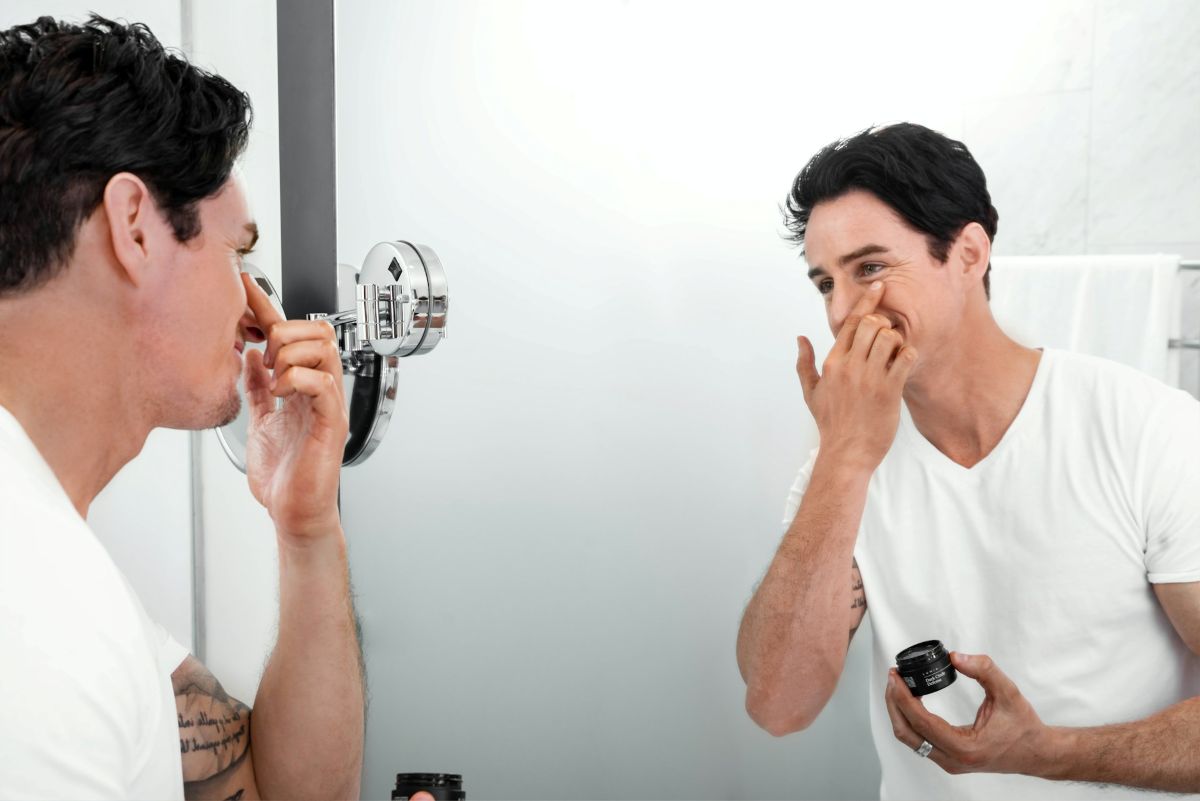
Many men are surprised when someone guesses their age wrong. A 35-year-old gets taken for 45, and a 40-year-old is mistaken for a man in his fifties. Genetics play a part, but most of the difference comes from daily routines that quietly speed up premature aging in men. The good news is that these habits are within your control.
This article looks at the everyday choices that make men appear older than they are, from skincare mistakes to lifestyle patterns. Understanding them is the first step toward looking and feeling younger.
Skipping Sunscreen Is the Biggest Mistake
If there is one habit that ages men faster than any other, it is unprotected sun exposure. Dermatologists consistently point out that ultraviolet radiation is responsible for most visible skin aging, including fine lines, deep wrinkles, uneven pigmentation, and a rough, leathery texture. This damage builds up over years, so the effects often appear long after the exposure.
Many men believe sunscreen is only for beach days or for people with fair skin. In reality, UV rays reach your skin on cloudy days, through car windows, and even indoors near bright windows. A daily broad-spectrum sunscreen with at least SPF 30 is one of the most effective anti-aging steps available, and it costs far less than most treatments promised to reverse sun damage.
Using Bar Soap and Harsh Scrubs on the Face
Another common men skincare mistake is treating the face the same way as the body. Many men wash their faces with the same bar soap they use in the shower, or scrub aggressively with rough cleansers in the hope of getting a deeper clean. Both approaches can strip away natural oils and disrupt the skin barrier.
When the barrier is compromised, skin becomes dry, tight, flaky, and more sensitive. Over time, it can look dull and lined. Redness and irritation can also make the complexion appear tired. A gentle, pH-balanced facial cleanser used twice a day is usually enough. Exfoliation is useful, but once or twice a week with a mild product is generally better than daily harsh scrubbing.
Ignoring Moisturizer
Many men consider moisturizer unnecessary, especially those with oily skin. Yet oily skin can still be dehydrated, and dehydrated skin shows fine lines more easily. A lightweight, non-greasy moisturizer helps maintain the skin’s moisture level and supports its natural protective function.
Skipping moisturizer is also common among men who shave daily. Shaving removes a layer of the skin’s surface and can leave it raw. Without hydration, the skin may look rough and aged around the jaw, cheeks, and neck. A simple routine of cleanser, moisturizer, and sunscreen can make a noticeable difference within weeks.
Shaving Habits That Add Years
Grooming errors can make a man look older in a surprisingly direct way. Shaving with a dull blade, pressing too hard, or shaving against the grain can cause irritation, razor bumps, and small nicks. Repeated inflammation may leave the skin looking blotchy and uneven.
Dull or old razor blades are a frequent problem. Replacing blades regularly and using a quality shaving gel or cream reduces friction. Shaving in the direction of hair growth, or at least without repeated passes over the same spot, helps protect the skin. Men who prefer facial hair should also keep it neat. Patchy, untrimmed beards or overgrown stubble can create an unkempt look, while a well-shaped beard tends to make the face appear more defined and youthful.
Hair choices matter too. An outdated haircut, unmanaged thinning hair, or grey roots that are never addressed can all add visual years. A barber who understands your hairline and face shape can recommend a style that suits your current look.
Sleep Deprivation Shows on the Face
Sleep is one of the most underrated factors in appearance. Chronic sleep loss is linked to puffy eyes, dark circles, dull skin, and a tired expression. Over time, it may also affect the skin’s ability to repair itself overnight, since many restorative processes are active during deep sleep.
Many men regularly sleep fewer than six hours a night, often because of work demands, late-night screen time, or irregular schedules. Improving sleep does not require perfection. Keeping a consistent bedtime, reducing screen use in the hour before bed, limiting alcohol in the evening, and keeping the bedroom cool and dark can all help. People who sleep well often look noticeably more alert and refreshed.
Smoking and Heavy Drinking
Smoking is one of the most damaging habits for the skin. Tobacco reduces blood flow to the skin, which deprives it of oxygen and nutrients. It also breaks down collagen and elastin, the proteins that keep skin firm and elastic. Smokers often develop deeper wrinkles, especially around the mouth and eyes, and their complexion can look grey or sallow.
Heavy drinking has similar effects. Alcohol dehydrates the body, can dilate blood vessels, and may worsen redness and puffiness. Frequent drinking can also disrupt sleep quality, which compounds the problem. Cutting back on alcohol and quitting smoking are among the most powerful steps a man can take to slow visible aging.
Diet, Sugar, and Stress
What you eat influences how your skin ages. High intake of refined sugar and processed carbohydrates may contribute to a process called glycation, in which sugar molecules attach to proteins such as collagen and make them stiffer. Diets rich in vegetables, fruit, healthy fats, lean proteins, and water support healthier skin.
Chronic stress also takes a toll. Long-term stress increases levels of the hormone cortisol, which can contribute to inflammation, poor sleep, and breakouts. Stress often shows up as tension lines between the eyebrows, a tired look, and a generally weary appearance. Regular exercise, time outdoors, and simple relaxation practices can help manage it.
Poor Posture and Screen Habits
Posture is an overlooked factor in how old someone looks. Slouching while working at a desk or staring at a phone can cause the head to tilt forward, which creates strain in the neck and shoulders. Over time, this can contribute to a heavier, more stooped appearance and lines on the neck often called “tech neck.”
Screen habits can also affect the face. Frequent squinting, furrowing the brow while reading small text, and staring at screens for hours may deepen expression lines. Taking regular breaks, adjusting screen height, and sitting upright can help prevent these patterns from becoming permanent.
Wearing Clothes That Do Not Fit
Appearance is not only about skin and hair. Clothing plays a major role in how old a man looks. Oversized or sloppy clothes can make a man seem older, while items that are too tight can look equally outdated. Worn-out shoes, faded garments, and clothes from many years ago can give the impression of someone who has stopped paying attention to his image.
Choosing well-fitted clothes in modern cuts and maintaining them in good condition can refresh your overall look. A tailored shirt, clean shoes, and a simple, current style often make a man appear sharper and more youthful.
Building a Simple Routine That Works
Looking younger does not require an expensive regimen. A realistic daily routine might include washing the face morning and night with a gentle cleanser, applying moisturizer, and using sunscreen every day. Shaving with a sharp blade and proper preparation, getting regular haircuts, and wearing well-fitted clothes complete the basics. Beyond appearance, sleeping consistently, drinking enough water, eating a balanced diet, staying active, and limiting alcohol and tobacco support healthier skin from the inside.
For men with specific concerns, such as persistent acne, deep wrinkles, hair loss, or sensitive skin, a dermatologist can provide personalized advice. Treatments exist for many of these issues, and early attention often produces better results.
Premature aging in men is usually the result of accumulated daily habits rather than a single mistake. Sun exposure, poor skincare, grooming errors, lack of sleep, smoking, heavy drinking, stress, and neglected appearance can all add visible years. The encouraging part is that small, consistent changes can make a real difference. Protecting your skin from the sun, establishing a simple skincare routine, sleeping well, and paying attention to grooming and style can help you look as youthful and vibrant as you feel. Start with one habit this week, and let the improvements build from there.