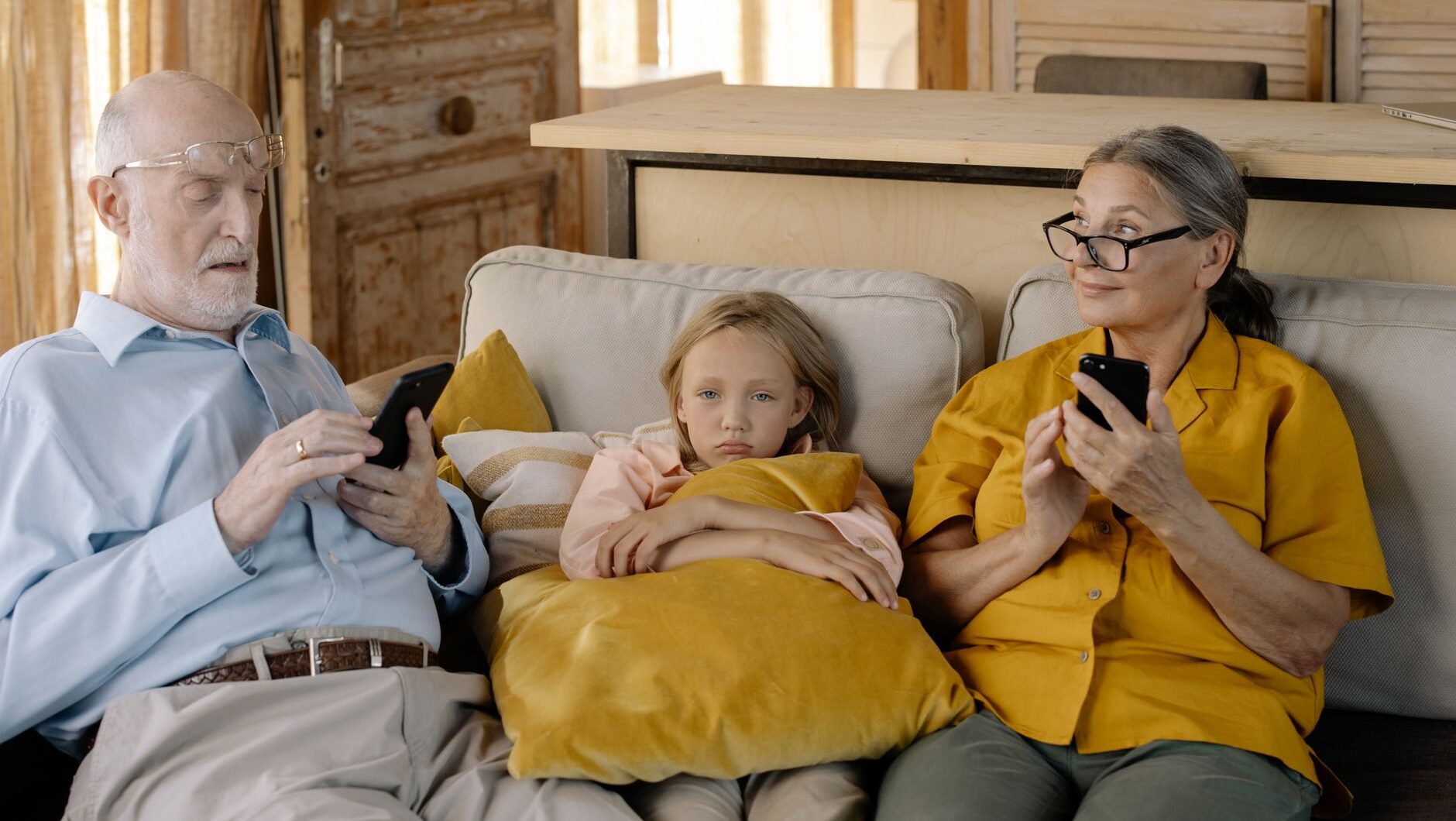
Every generation has its slang, its fashion, and its obsessions, and every generation eventually hears its elders sigh about them. Yet the current generational gap feels wider than usual. Gen Z, born roughly between 1997 and 2012 according to Pew Research Center’s generational definitions, has grown up with smartphones, short-form video, and online communities that move faster than most parents can follow. Their gen z trends spread in days, sometimes hours, and many of them leave older Americans, Europeans, and Asians scratching their heads.
The result is a steady stream of complaints across dinner tables, workplace break rooms, and social media comment sections. Some of the criticism is playful. Some of it runs deeper, touching on work ethic, communication, and what older people see as a loss of seriousness. Looking at what drives these critiques helps explain not only the friction but also the broader cultural shifts happening right now.
The Slang That Sounds Like a Foreign Language
Language is usually the first place where the gap shows up. Words like “rizz,” “delulu,” “no cap,” and “it’s giving” have become part of everyday speech among teenagers and young adults. For many older readers, the terms sound like code. A parent might hear a child describe a sandwich as “giving main character energy” and wonder whether they have misunderstood something important.
The frustration is understandable. Slang has always been a marker of youth, and older generations once had their own versions, from “groovy” to “far out.” What seems to irritate many people today is the speed of turnover. A phrase can go viral, be overused by brands, and become cringeworthy within a few months. Adults who finally learn a term often discover that young people have already moved on.
Some older critics also argue that the language is sloppy. Words that once carried precise meanings, such as “toxic” or “trauma,” have been stretched to describe minor annoyances. Psychologists and educators have voiced similar concerns, noting that therapy vocabulary has entered casual conversation in ways that can blur the difference between genuine harm and everyday discomfort. Supporters reply that young people are simply talking about emotional experiences more openly than their parents did, which is a healthy development.
“Brain Rot” and the Attention Economy
If there is one trend that has drawn consistent criticism, it is the habit of constant scrolling. Oxford University Press named “brain rot” its Word of the Year for 2024, describing it as the supposed deterioration of a person’s mental or intellectual state caused by overconsumption of low-quality online content. The choice reflected a wider unease that many people, not just the young, feel about their digital habits.
Older generations often point to this as the clearest example of Gen Z’s dependence on screens. They worry about shorter attention spans, reduced reading, and a preference for bite-sized videos over long-form articles or books. Some teachers have reported that students struggle to finish lengthy texts, a complaint that has been heard in classrooms for years but has grown louder as platforms like TikTok and YouTube Shorts dominate free time.
Gen Z, for its part, often recognizes these concerns. Surveys over the past several years have found many young people saying they want to cut back on their phone use. The criticism, then, is not entirely one-sided. Many young adults share the worry but feel that the attention economy was designed to pull them in, and that resisting it is harder than their parents assume.
Fashion, Aesthetics, and the Vanishing Logo
Fashion trends have long been a battleground between generations. Gen Z’s taste has shifted through a rapid series of aesthetics: the “clean girl” look, cottage core, “mob wife,” and quiet luxury, among many others. Each one is promoted through social media and then copied, adapted, and eventually replaced.
Older observers sometimes see this churn as shallow. Why would anyone spend money on a look that will be out of date by next season? The complaint is partly about consumerism and partly about the perceived loss of personal style. In earlier decades, people often kept clothes for years and developed a signature look. Now, critics argue, many young people dress to match a template they saw online.
Yet the trends also reveal something interesting. Many Gen Z shoppers have shown interest in secondhand clothing, thrift shopping, and resale platforms, partly for environmental reasons and partly because it allows them to express individuality on a budget. The “quiet luxury” movement, which emphasizes understated quality over visible branding, also surprised some older consumers who had grown up with logos as status symbols. Trends that look frivolous from one angle can look thoughtful from another.
Work, Ambition, and the “Quiet Quitting” Debate
Workplace culture has perhaps produced the sharpest generational disagreements. The term “quiet quitting,” which describes doing the job as written and not going above and beyond, went viral in 2022. For many baby boomers and some Gen Xers, the phrase seemed to capture everything they found troubling about young workers: a lack of commitment, a refusal to sacrifice, and an unwillingness to put in extra hours.
Other workers, particularly younger ones, saw it differently. Many argued that the term simply described a boundary they had always had the right to set. They pointed to years of economic uncertainty, rising housing costs, and jobs that often demanded constant availability without offering job security. From their perspective, working to live made more sense than living to work.
The debate reflects a deeper cultural shift in attitudes toward careers. Older generations often tied identity closely to employment and loyalty to a single company. Gen Z tends to prioritize mental health, flexibility, and meaningful work, and is more willing to switch jobs. Neither view is simply right or wrong, but the gap in expectations explains much of the tension in offices today.
Communication and the Fear of the Phone Call
Few things frustrate older family members more than a young person who will not answer a phone call. Text messages, emojis, voice notes, and memes have replaced many traditional conversations. Some older adults interpret this as rudeness or emotional distance. A missed call can feel like a rejection, while a short text reply can seem dismissive.
Gen Z often sees the situation differently. For them, unexpected calls can feel intrusive, and asynchronous messaging gives them time to think before responding. Many young people also maintain large, active friendship networks online, where communication happens constantly in small bursts. The preference is less about avoiding people and more about choosing a comfortable format.
This is where the generational gap becomes practical. Families and workplaces must find ways to bridge these habits, perhaps by agreeing that important matters should be handled by call while everyday updates can go through messages.
Why the Criticism Matters, and Why It Often Misses the Point
It is easy to dismiss generational criticism as a cycle that repeats every few decades. Socrates reportedly complained about the youth of his day, and newspapers in the twentieth century frequently warned that rock music, comic books, or television would ruin young people. The pattern is familiar, and history suggests that many of the fears did not come true.
Still, the current critiques are worth taking seriously, because some of them point to real challenges. Concerns about digital overuse, mental health, financial pressure, and the speed of cultural change are not imaginary. The problem is that these conversations often become personal. Older people judge the trend itself, while younger people hear a criticism of their whole identity.
A more productive approach may be curiosity. Asking why a trend appeals to young people often reveals practical reasons behind it, such as affordability, community, or a need for self-expression. At the same time, younger people can ask older generations what they valued in their own youth and what lessons they learned the hard way.
Bridging the Gap
The generational gap is unlikely to disappear. Each generation grows up in a different economic, technological, and social environment, and those differences shape how people speak, dress, work, and relate to one another. The goal should not be to erase these differences but to understand them.
Families can start by sharing stories rather than sharing judgments. Employers can design workplaces that accept different communication styles while still meeting shared goals. Media outlets and creators can explain trends to wider audiences without mocking them. And Gen Z can recognize that older critics are not always out of touch, especially when they raise concerns about wellbeing or the quality of online life.
In the end, the most revealing thing about the criticism may be how much it says about the critics. Every complaint about a Gen Z fad is also a reflection of what older people value, fear, or miss from their own past. Understanding that connection is the first step toward a conversation that goes beyond rolling eyes and toward genuine respect across generations.