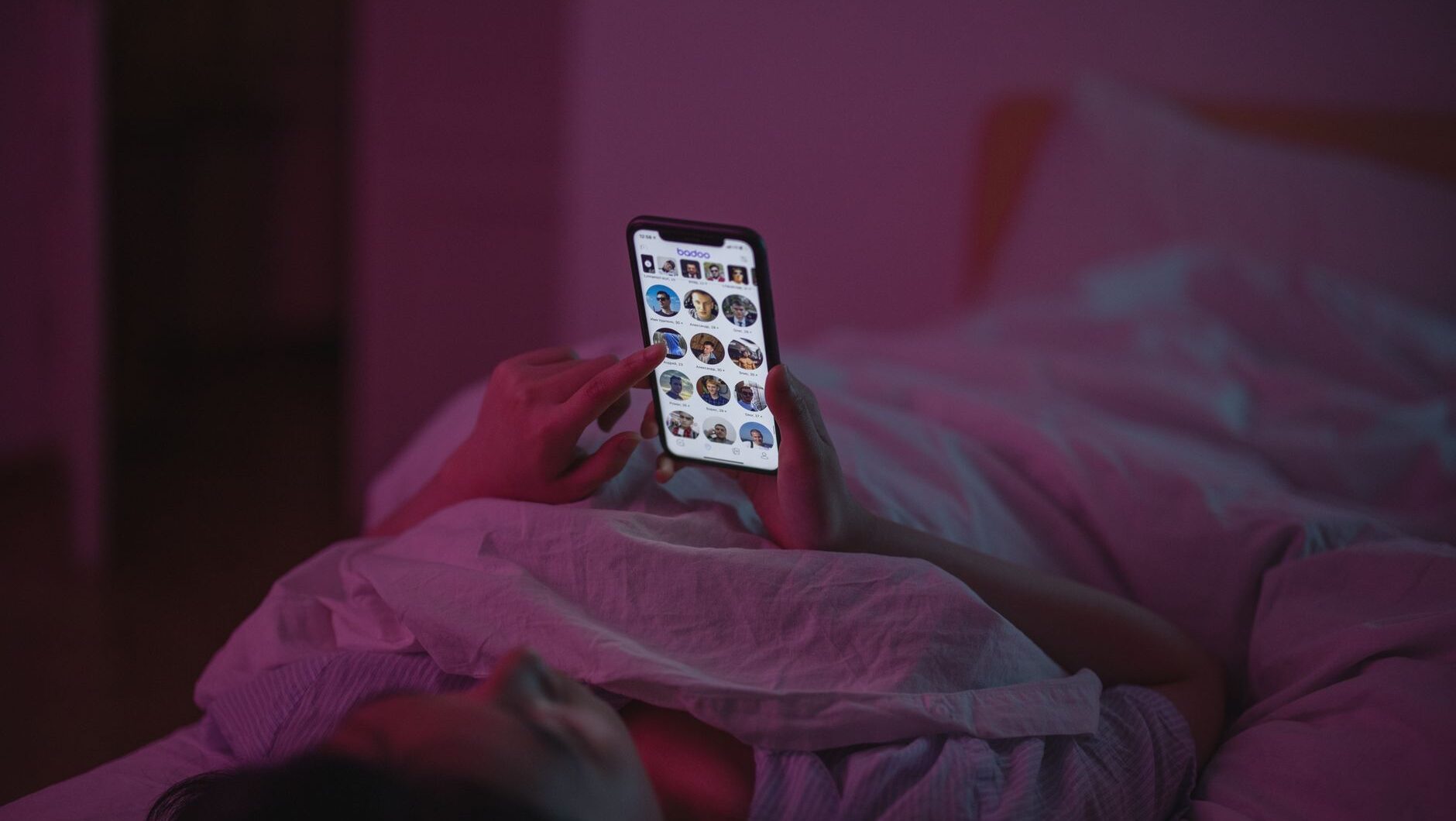
Most of us have felt it: scrolling through a feed late at night, we feel more connected to hundreds of people, yet somehow lonelier than before. A friend posts a photo from a dinner we were never invited to, and a small ache settles in. For many people, social media promised closeness but delivered a strange kind of distance. Researchers across psychology, sociology, and public health are now asking a pointed question: how does the time we spend online affect the quality of our real-life relationships, and what does that mean for our mental health?
Why Human Connection Matters So Much
Humans are social animals, and our brains are wired to notice whether we belong. Long before smartphones, researchers recognized that strong relationships protect health. In a widely cited 2010 meta-analysis led by psychologist Julianne Holt-Lunstad, people with stronger social relationships had a significantly higher likelihood of survival over the study periods than those with weaker ties. A follow-up review in 2015 reinforced the finding, showing that the effect was comparable to well-established risk factors such as smoking and obesity.
In 2023, U.S. Surgeon General Vivek Murthy issued an advisory on loneliness and isolation, describing social disconnection as a serious public health concern. The advisory noted that the health effects of lacking social connection can be comparable to smoking up to 15 cigarettes a day. Those figures alarmed many readers, but they also highlighted something important: the quality of our relationships is not a luxury. It is part of how we stay well.
Friendships formed face to face carry particular weight. Shared laughter, eye contact, spontaneous conversation, and physical presence all trigger biological and emotional responses that are difficult to replicate through a screen. Oxytocin, often called the bonding hormone, has been linked to trust and social closeness, although researchers continue to debate the full picture of how it works in humans. What is clearer is that people generally report feeling more understood and supported after meaningful in-person interactions.
How Long Real Friendships Actually Take
One reason in-person friendships matter is that they take real time to build. A study published in 2018 by communication researcher Jeffrey Hall at the University of Kansas estimated that it takes roughly 50 hours of time together to move from acquaintance to casual friend, around 90 hours to become a friend, and more than 200 hours to become a close friend. These numbers are not meant to be rigid rules, but they reveal something essential: deep friendships grow through repeated, unhurried shared experiences.
Social media often gives the impression of closeness without the investment. A like, a comment, or a quick message can feel like connection, but these small signals rarely replace the hours of shared life that create trust. When online interaction substitutes for face-to-face time rather than complementing it, many people find that their friendships stay shallow, even when their follower counts climb.
British anthropologist Robin Dunbar has described how humans tend to maintain a limited circle of meaningful relationships, often estimated around 150 people, with a much smaller inner group of close friends. Social media can expand the outer rings of this network dramatically, but it does not necessarily strengthen the inner circle. Time and attention are finite, and every hour spent scrolling is an hour not spent with the people who matter most.
The Mental Health Connection
The relationship between heavy social media use and psychological well-being has been studied extensively, and the picture is nuanced. A 2017 study by Brian Primack and colleagues at the University of Pittsburgh surveyed young adults in the United States and found that those who used social media most frequently had significantly higher odds of depression and anxiety than those who used it least. The researchers emphasized that the study showed an association rather than proof that social media causes these conditions, since people experiencing distress may also turn to social platforms more often.
Experimental research has offered more direct clues. In a 2018 study by Melissa Hunt and colleagues at the University of Pennsylvania, participants who limited their time on Facebook, Instagram, and Snapchat to about 30 minutes per day for three weeks reported meaningful reductions in loneliness and depressive symptoms compared with a control group. The findings suggested that reducing passive scrolling may allow more time and mental space for real-world relationships.
Comparison is one of the most commonly cited mechanisms. Social media presents curated highlights of other people’s lives, and users often measure their everyday experiences against these polished moments. Research by Ethan Kross and colleagues in 2013, which examined Facebook use among young adults, found that the more participants used the platform, the less satisfied they felt with their lives over time. Scrolling can leave people feeling left out, inadequate, or disconnected, particularly when they see friends gathering without them.
Is It Really an Addiction?
The phrase “social media addiction” is widely used in headlines and everyday conversation, but clinicians are careful with the term. Social media addiction is not currently a formal diagnosis in the Diagnostic and Statistical Manual of Mental Disorders. Researchers more often discuss “problematic social media use,” describing patterns in which people feel compelled to check their phones, struggle to cut back despite negative consequences, and experience distress when they cannot access their accounts.
Even without a formal diagnosis, the patterns are familiar to many. Notifications trigger a quick dopamine-linked reward loop, infinite feeds encourage continuous scrolling, and algorithms are designed to hold attention. Over time, these features can crowd out sleep, exercise, hobbies, and face-to-face socializing. The concern is less about the technology itself and more about how it is designed and used.
It is worth noting that social media is not inherently harmful. Many people use it to maintain long-distance friendships, find supportive communities, and access helpful information. Research has shown that online interactions can be valuable, especially for people who face barriers to in-person socializing, such as those with disabilities or those living in remote areas. The difference lies in balance and intention.
Finding Balance Between Screens and Real Life
The good news is that the psychological link between social media and in-person connection is not a one-way street. Small changes in habits can make a meaningful difference. Experts often suggest starting with awareness: checking screen time reports on smartphones, noticing how you feel after different types of online activity, and identifying which apps leave you energized versus drained.
Turning social media into a tool for planning rather than a replacement for contact can help. Instead of liking a friend’s post about a weekend hike, sending a message to organize a walk together can convert online attention into real-world connection. Setting boundaries, such as keeping phones out of the bedroom or designating device-free meals, can also create natural openings for conversation.
Investing in in-person friendships may require effort, especially for adults juggling work and family responsibilities. Joining a sports club, volunteering, attending community classes, or setting a regular catch-up with a friend can build the shared time that Hall’s research suggests is essential. These routines may feel less glamorous than an online feed, but they tend to offer deeper and more lasting rewards.
A Healthier Path Forward
The conversation about social media and mental health is evolving quickly, and the science will continue to develop as researchers study new platforms, age groups, and patterns of use. What seems increasingly clear is that our emotional wellness depends heavily on the quality of our relationships. Screens can extend our reach, but they cannot fully replace the warmth of a shared meal, the comfort of a familiar face, or the reassurance of a friend who shows up when life gets hard.
Recognizing the psychological link between social media overuse and weakened real-life connections is a first step. The next is making deliberate choices that protect time for the people who genuinely know and support us. In a world that constantly competes for our attention, choosing presence over pixels may be one of the most valuable investments we can make in our mental health.