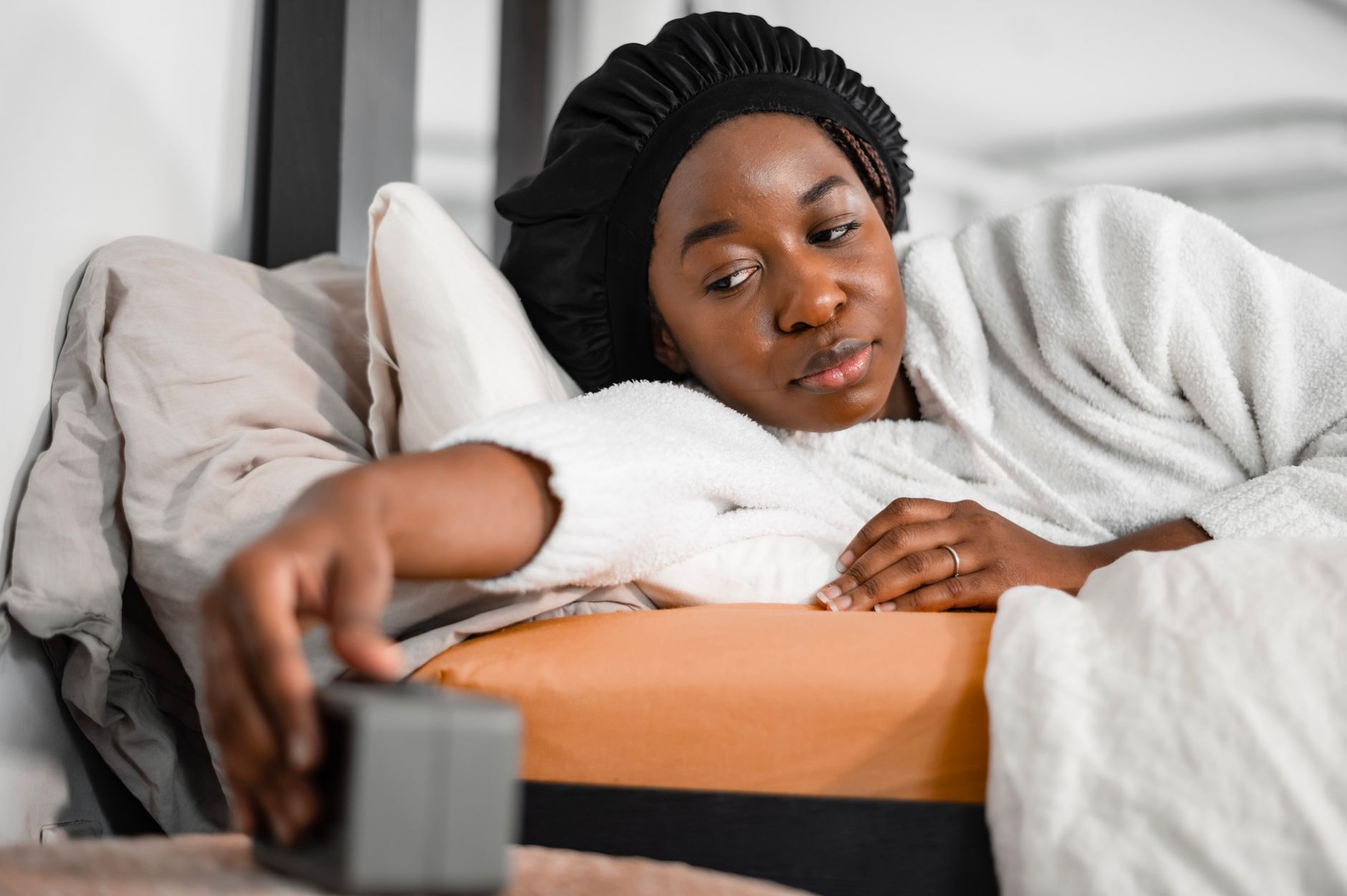
Many people treat sleep as something that just happens once the lights go off. In reality, the hours before bed shape how deeply and how restfully you sleep. A few small, consistent changes to your nighttime routine can make a noticeable difference in how you feel the next morning. You do not need expensive gadgets or a complete lifestyle overhaul. You need a clearer picture of what your body requires to shift from the busy day into real rest.
This guide walks through practical bedtime habits that sleep researchers and health organizations commonly recommend. Each one is easy to start tonight.
Why Sleep Quality Matters More Than You Think
Quantity gets most of the attention. Adults generally need at least seven hours of sleep per night, according to guidance from the American Academy of Sleep Medicine and the Centers for Disease Control and Prevention. Yet the CDC has reported that roughly one in three American adults regularly falls short of that target. But hours in bed alone do not tell the whole story. Sleep moves through repeated cycles of light, deep, and REM sleep, and each stage plays a role in memory, mood, immune function, and physical recovery.
Fragmented or shallow sleep can leave you groggy even after a full eight hours. That is why improving sleep quality habits matters as much as stretching the clock. The good news is that many of the biggest disruptions come from behaviors you can control.
Keep a Consistent Sleep and Wake Schedule
Your body runs on an internal clock, known as the circadian rhythm, that responds strongly to regularity. When you go to bed and wake up at roughly the same time every day, including weekends, that clock learns when to release sleep-promoting hormones such as melatonin.
Weekend lie-ins are tempting, but large swings in your schedule can work like mini jet lag. Sleeping in by two or three hours on Saturday can make Sunday night restless and Monday morning brutal. If you need to catch up, try keeping the shift small, no more than an hour, and get some daylight soon after waking.
Morning light is especially useful. Exposure to natural light early in the day helps anchor your circadian rhythm, which makes it easier to feel sleepy at a reasonable hour later on.
Dim the Lights and Reduce Screen Time
Few habits are as widely discussed, or as widely ignored, as screen use before bed. Light from phones, tablets, laptops, and televisions contains a strong blue component that signals the brain to stay alert. A 2015 study published in the Proceedings of the National Academy of Sciences found that people who read on light-emitting e-readers before bed took longer to fall asleep and produced less melatonin than those who read printed books.
You do not have to abandon your devices entirely. Try these simple adjustments:
- Switch on night mode or warm-tone display settings after sunset.
- Lower overhead lights in the hour before bed, and use lamps instead.
- Keep your phone charging outside the bedroom if possible, so the urge to scroll is weaker.
Think of the last hour before sleep as a transition period. Bright, fast-paced content keeps your mind engaged, while soft lighting and quieter activities prepare it to slow down.
Create a Calming Pre-Sleep Ritual
A nighttime routine works because it sends a signal. Repeating the same calming steps each evening teaches your brain that sleep is approaching. The routine does not need to be elaborate. Ten to thirty minutes of predictable activity is often enough.
Some people enjoy reading a physical book, listening to soft music, stretching gently, or journaling. Others find that writing a quick to-do list for tomorrow helps quiet racing thoughts. Psychologists have noted that jotting down unfinished tasks can reduce the mental loop that keeps people awake, a technique sometimes called a “brain dump.”
The key is consistency. When the same sequence happens every night, your body begins to anticipate rest before you even close your eyes.
Mind Your Temperature
Body temperature plays a larger role in sleep than many people realize. Your core temperature naturally drops in the evening as you approach sleep, and that drop helps trigger drowsiness. A bedroom that is too warm can interfere with this process and lead to more frequent awakenings.
Sleep experts often suggest a bedroom temperature of around 60 to 67 degrees Fahrenheit, or roughly 15 to 19 degrees Celsius, for most adults. Breathable bedding, lighter pajamas, and a fan or open window can help you find a comfortable range.
Interestingly, a warm bath or shower taken one to two hours before bed may help. A 2019 meta-analysis in the journal Sleep Medicine Reviews found that warm water immersion in this window was associated with faster sleep onset and improved sleep quality. The warmth encourages blood flow to the hands and feet, which helps release heat from the core and supports the natural cooling process.
Be Mindful of Food and Drink
What you consume in the evening can quietly sabotage your rest. Caffeine is the most obvious culprit. Its half-life in the body is often around five to six hours, which means that a late afternoon cup of coffee can still be influencing your nervous system at bedtime. Many people are sensitive to caffeine in tea, chocolate, and some soft drinks as well.
Alcohol is another common trap. A nightcap may make you feel drowsy at first, but it tends to fragment sleep later in the night and suppress REM sleep, the stage most associated with dreaming and emotional processing. You may wake up feeling unrefreshed even after a long night in bed.
Heavy meals close to bedtime can also cause discomfort, especially for people who experience acid reflux. If you are hungry before bed, choose a light snack, such as yogurt, a banana, or a small handful of nuts, rather than a large or spicy dinner.
Keep Naps Short and Early
A short afternoon nap can be restorative, but long or late naps can make it harder to fall asleep at night. If you nap, aim for about 20 minutes and try to finish before mid-afternoon. This gives you the benefit of a quick energy boost without eroding your sleep pressure for the evening.
Let Go of the Pressure to Sleep Perfectly
Ironically, one of the fastest ways to lose sleep is to worry about losing sleep. Lying in bed watching the clock, calculating how many hours remain, and fretting about tomorrow creates tension that works directly against rest. Sleep specialists sometimes refer to this pattern as sleep-related anxiety.
If you cannot fall asleep after about 20 minutes, consider getting up, moving to a dimly lit room, and doing something quiet and relaxing until you feel drowsy again. This helps your brain reconnect the bed with sleep rather than frustration. Avoid checking your phone during these moments, since the light and stimulation can reset your alertness.
Remember that an occasional bad night is normal. Your overall pattern matters far more than any single evening.
Put It All Together
Improving your sleep does not require perfection. Start with one or two habits that feel realistic. You might begin by setting a consistent wake-up time, dimming lights after dinner, and keeping your phone out of reach. Once those feel natural, add another habit, such as a warm shower before bed or a cooler bedroom.
Over a few weeks, these small steps can add up. Many people notice they fall asleep more easily, wake less often during the night, and feel sharper and calmer during the day. Better sleep supports better focus, mood, and health, which makes the effort worthwhile.
If you have persistent problems, such as loud snoring, gasping during sleep, severe insomnia lasting more than a few weeks, or extreme daytime fatigue, speak with a doctor or sleep specialist. Underlying conditions like sleep apnea or restless legs syndrome often require professional care.
For most people, though, the path to deeper rest begins with a few simple nighttime choices. Tonight can be the first step.