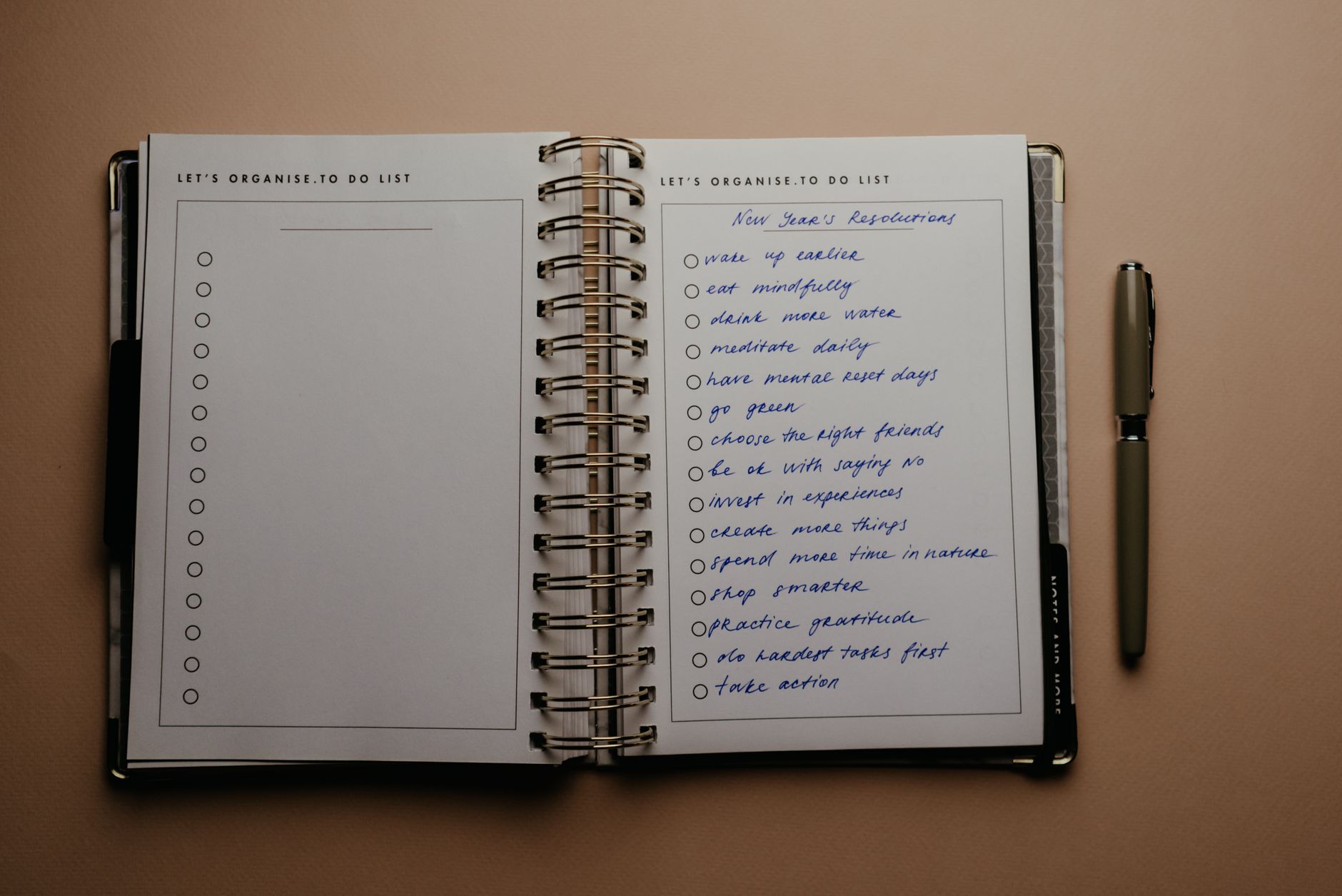
Many people believe lasting happiness depends on big milestones: a dream job, a bigger house, or a once-in-a-lifetime trip. Research on well-being tells a different story. The feelings that sustain us over the years usually come from small, repeated choices made in ordinary days. Understanding which daily habits matter, and why, can help anyone build a more positive lifestyle without overhauling their life.
Why Small Habits Matter More Than Big Changes
Psychologists often describe happiness as a mix of genetic predisposition, life circumstances, and intentional activity. Circumstances account for a smaller share of long-term well-being than most people expect, and the part we can influence is largely found in what we do every day. Researcher Sonja Lyubomirsky and her colleagues have spent decades studying this area and have repeatedly found that regular, deliberate practices can raise and sustain positive emotions when they are done consistently.
The reason is simple. A single good day rarely changes how we feel about life, but a pattern of good days does. Habits work quietly in the background, shaping mood, energy, and relationships over months and years. That makes them one of the most practical tools available to anyone who wants to feel better over the long run.
Start the Morning With Intention
How a day begins can set its emotional tone. Many people reach for their phones before their feet touch the floor, flooding their minds with news, messages, and comparisons before they have had a chance to settle. A gentler start can make a noticeable difference.
Try spending the first ten minutes of the day without a screen. Some people use this time to stretch, drink a glass of water, or sit quietly with a cup of tea. Others write down one thing they are looking forward to. These moments are small, but they give the brain a chance to shift from autopilot into a more deliberate state.
Keep Moving Every Day
Physical activity is one of the most consistently supported habits for mental health. The World Health Organization recommends that adults get at least 150 to 300 minutes of moderate aerobic activity each week, or an equivalent amount of vigorous activity, along with muscle-strengthening work on two or more days. Those numbers can feel daunting, but they can be broken into manageable pieces.
A brisk 20-minute walk after lunch, a short bike ride to the market, or a few minutes of stretching before bed all count. Exercise releases chemicals that influence mood and stress, and it often improves sleep, which in turn supports emotional resilience. The key is consistency rather than intensity. A modest routine that you can keep for years will do more for your well-being than an ambitious plan you abandon after two weeks.
Protect Your Sleep
Sleep is sometimes treated as optional, something to sacrifice when schedules get busy. Yet it plays a central role in emotional health. The Centers for Disease Control and Prevention and the American Academy of Sleep Medicine recommend that most adults sleep at least seven hours per night. Chronic short sleep is linked to irritability, poorer decision-making, and a higher risk of depression and anxiety.
Good sleep habits are often simple. Keeping a consistent bedtime and wake-up time helps the body’s internal clock stay steady. Dimming lights in the evening, reducing screen use before bed, and keeping the bedroom cool and quiet can all help. If sleep problems persist, speaking with a doctor is a sensible step, since persistent insomnia can have treatable causes.
Nurture Your Relationships
Few findings in well-being research are as clear as the importance of close relationships. The Harvard Study of Adult Development, one of the longest-running studies of adult life, has followed participants for more than eight decades. Its lead researchers have concluded that the quality of our relationships is one of the strongest predictors of long-term health and happiness, stronger than wealth or fame.
Daily habits can support this. A quick phone call to a friend, a shared meal with family, or a message checking in on a colleague can strengthen bonds over time. Meaningful connection does not require large gatherings. Often, it comes from consistent, small gestures that show people they matter. Meanwhile, a 2010 meta-analysis led by Julianne Holt-Lunstad found that stronger social relationships were associated with a significantly higher likelihood of survival, a reminder that social health is closely tied to overall health.
Practice Gratitude on Purpose
Gratitude may sound like a soft concept, but it has a solid research base. In a well-known 2003 study, psychologists Robert Emmons and Michael McCullough asked participants to keep weekly gratitude journals. Those who wrote about things they were thankful for reported feeling better about their lives and were more optimistic than those who recorded neutral events or daily hassles.
The habit does not need to be elaborate. Before going to sleep, you might note three things that went well that day, even if they seem minor, such as a warm cup of coffee, a helpful colleague, or a quiet walk. Over time, this practice trains attention to notice positive experiences that might otherwise pass unnoticed. Expressing thanks directly to another person, through a short note or a spoken word, can be equally powerful.
Give Back, Even in Small Ways
Helping others is another habit linked to happiness. In a 2008 study published in Science, researchers Elizabeth Dunn, Lara Aknin, and Michael Norton found that people who spent money on others reported greater happiness than those who spent it on themselves. Their work suggested that prosocial behavior contributes to a sense of meaning and connection.
Giving does not require wealth. Holding a door, offering a sincere compliment, volunteering an hour a month, or simply listening to someone who needs to talk can all qualify. These acts remind us that we are part of a larger community, which is a foundation of well-being.
Move Slowly Through Something You Enjoy
Modern life often pushes people toward constant productivity. Yet time spent on activities we enjoy for their own sake is an important source of happiness. Hobbies such as painting, gardening, cooking, playing an instrument, or reading give the mind a chance to focus and recover.
Researchers sometimes describe a state called “flow,” in which a person becomes so absorbed in an activity that time seems to disappear. Flow experiences are linked to satisfaction and a sense of accomplishment. Setting aside even thirty minutes a few times a week for an absorbing pursuit can help balance the demands of work and responsibilities.
Be Mindful of Your Attention
Mindfulness, the practice of paying deliberate attention to the present moment without harsh judgment, has been widely studied. Meta-analyses suggest that mindfulness-based programs can reduce stress and anxiety symptoms, although the size of the benefit varies across studies. For most people, the practice works best as a regular habit rather than a one-time experiment.
Mindfulness does not have to mean long meditation sessions. Paying full attention while eating a meal, noticing the sensation of breath during a short pause, or taking a few slow breaths before answering a difficult email can all bring a moment of calm. These brief pauses add up, helping people respond to stress with more clarity and less reactivity.
Limit Digital Overload
Digital tools have many benefits, but constant notifications and endless scrolling can drain attention and mood. Some studies have linked heavy social media use with increased feelings of comparison and loneliness, though the research is still developing and results depend on how people use these platforms.
A practical approach is to set boundaries that suit your life. Turning off non-essential notifications, keeping phones out of the bedroom, and scheduling specific times to check messages can reduce the constant pull of screens. Many people also find that replacing a few minutes of scrolling with a short walk or a conversation leaves them feeling more refreshed.
Building a Lifestyle That Lasts
No single habit transforms well-being on its own. The power lies in combining several practices and returning to them consistently. A person might start the day with a calm morning routine, walk during lunch, call a friend in the evening, and write down three good things before bed. Over time, these actions form a rhythm that supports both emotional and physical health.
It is also important to be patient and forgiving. Missing a day or losing momentum is normal. The goal is not perfection but a gradual, sustainable shift toward habits that nourish you. Starting with just one or two changes, then adding more as they become automatic, often works better than trying to change everything at once.
Happiness, in the long run, is less a destination than a practice. By paying attention to simple daily choices, such as how we move, rest, connect, and give, we can build a positive lifestyle that grows stronger with time. The best part is that these habits are available to everyone, starting today.