Casual dressing is harder than it looks. A suit has rules that tell you what to do, but a T-shirt and jeans leave every decision to you. That freedom is exactly why so many men end up looking less polished than they intend. Many of the most common men casual style mistakes have nothing to do with expensive labels. They come from small choices about fit, color, and detail that quietly signal youthfulness or carelessness.
The good news is that these mistakes are easy to fix. Here are the most common ones, and how to correct them.
Clothes That Are Too Big
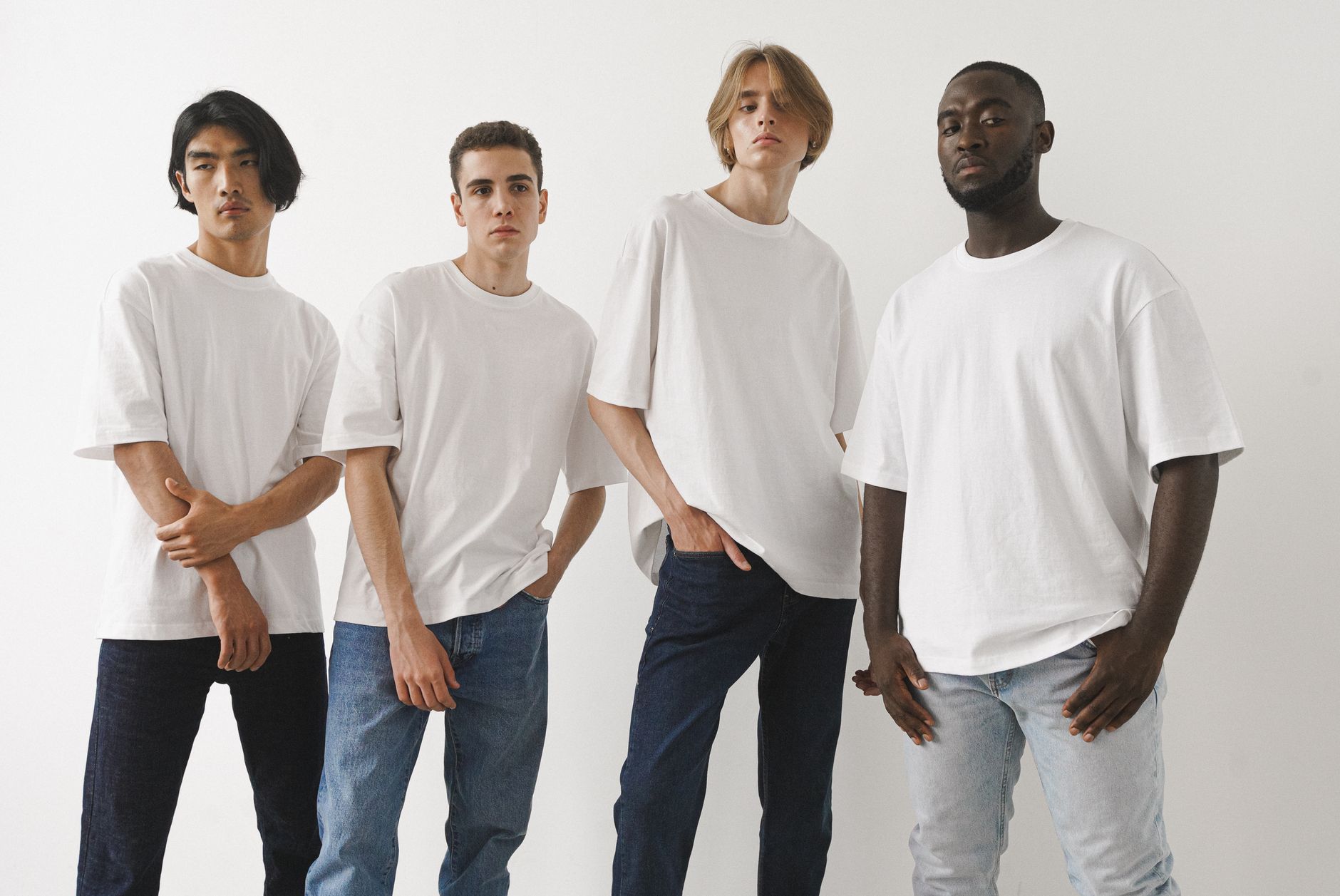
Oversized clothing is one of the most frequent reasons a grown man looks like he is still dressing in his older brother’s hand-me-downs. A baggy T-shirt that hangs past the hips, jeans that puddle over the sneakers, or a hoodie with sleeves covering the knuckles can make even a well-built man look smaller and less mature.
Fit does far more for your appearance than brand names do. Shoulder seams should sit at the edge of your shoulders, sleeves should end around the wrist bone, and trousers should break lightly, if at all, over the shoe. You do not need tailoring for everything, but a reasonably priced tailor can take a $40 shirt from sloppy to sharp.
The opposite problem also exists. Clothes that are too tight, such as skinny cuts that pull across the thighs or T-shirts that cling to the stomach, can look just as juvenile. The goal is a clean line that follows your body without straining against it.
Logos and Loud Graphics Everywhere
A large logo across the chest, a cartoon print, or a slogan that reads like a high school inside joke tends to shout “I have not updated my wardrobe since university.” Graphic tees are not automatically a problem. A simple, well-chosen graphic on a good-quality shirt can look intentional. The trouble starts when every item in your outfit competes for attention.
A practical rule is to limit yourself to one statement piece per outfit. If your shirt has a bold print, keep your shoes, bag, and jacket understated. If you wear a brand logo prominently, let the rest of the look stay plain. Men who look most mature tend to rely on texture, cut, and color harmony rather than visible branding.
Sneakers That Look Worn Out or Overly Trendy
Footwear says a lot about a man’s age and attention to detail. Scuffed, grubby, or heavily distressed sneakers suggest neglect, while chunky, ultra-trendy styles that change every season can look like a teenager chasing the latest drop.
This does not mean you have to abandon sneakers. Clean white leather sneakers, simple suede low-tops, or classic runners in neutral colors work well with almost anything. Keep them clean, replace them when the soles wear down, and pick silhouettes that will still look right next year. Loafers, chelsea boots, and desert boots are also excellent casual options that add an immediate sense of maturity without looking formal.
Socks matter too. Visible athletic socks with bright logos, or socks that slouch around the ankle, can undermine an otherwise solid outfit. Choose plain socks in a color that complements your trousers or shoes.
Ignoring Color Coordination
Wearing too many colors at once, or combining shades that clash, makes an outfit look chaotic. Mixing a neon hoodie with orange shorts and bright green sneakers may feel fun, but to many observers it reads as someone who has not thought the look through.
Mature casual style usually relies on a restrained palette. Navy, charcoal, olive, camel, cream, white, and denim all work together easily. Try building outfits around two or three base colors and add one accent at most. If you are unsure, stick to neutrals. They are forgiving and hard to get wrong.
Pay attention to fabric and wash too. Mixing a faded, distressed denim with a shiny synthetic jacket can look mismatched, while coordinating textures such as cotton, knit, and wool create a more considered appearance.
Wearing Hoodies and Sweatpants as Everyday Uniform
Comfort is important, and there is nothing wrong with a hoodie on a rainy Sunday. The problem appears when sweatpants and hoodies become the default for every situation, from errands to brunch with friends to a casual work meeting.
Athleisure has become more accepted, but there is a clear difference between activewear that fits well and loose, shapeless loungewear. Men who look put together often choose dark, well-fitted joggers with a clean hem, or a structured sweatshirt in a solid color, rather than faded gym clothes. Swapping one piece, such as adding a denim or bomber jacket over a hoodie, can change the entire impression of an outfit.
Skipping Outerwear and Layering
Many casual looks feel unfinished because they lack a third layer. A plain T-shirt and jeans can look fine, but adding a well-fitting overshirt, denim jacket, field jacket, or lightweight blazer instantly adds structure and sophistication.
Layering also helps you adapt to temperature changes, which is practical as well as stylish. Choose outerwear in colors that complement your base layers and make sure the shoulders fit properly. A jacket that is too short, too long, or too boxy can throw off the proportions of the entire outfit.
Poor Grooming and Accessories
Even the best clothes can look juvenile if grooming is neglected. Unkempt hair, untrimmed stubble, or a face that has not been looked after can make an outfit appear careless. A simple routine, including regular haircuts, a clean shave or neat beard trim, and basic skincare, makes a noticeable difference.
Accessories should be deliberate rather than excessive. A watch with a clean face, a leather belt that matches your shoes, or a simple bag can finish a look well. On the other hand, stacks of cheap chains, novelty watches, or oversized sunglasses worn indoors often send the wrong message. Less is usually more.
Wearing Clothes Meant for a Different Stage of Life
Style should evolve as you do. Some items that feel perfectly acceptable at nineteen can appear out of place at thirty-five or forty. Ripped jeans in heavy distress, very short shorts, or graphic tees referencing trends from years ago can make a grown man look as though he is trying too hard to stay young.
That does not mean you must dress conservatively or boringly. It means choosing pieces that match your age and lifestyle. Classic silhouettes, quality basics, and modern but timeless designs age well. The aim is to look current and comfortable in your own skin, not to chase the latest trend or cling to an earlier version of yourself.
Building a More Mature Casual Wardrobe
The easiest way to avoid these mistakes is to build a small, reliable collection of pieces that fit well and work together. Start with a few essentials:
- A pair of dark, straight-fit jeans or chinos in neutral shades
- Several plain T-shirts and knit polos in solid colors
- One well-fitted overshirt or denim jacket
- A clean pair of leather or suede sneakers
- A versatile jumper or sweatshirt in a muted tone
Once you have these basics, experiment with textures and small accents. You will find that a few carefully chosen items can produce many polished outfits without much effort.
The Bottom Line
Looking mature in casual clothing is not about spending the most money or following every fashion update. It comes down to fit, restraint, color coordination, and attention to detail. Avoid oversized or overly tight clothes, limit loud logos and graphics, keep your shoes clean and appropriate, and let your grooming match the care you put into your outfit.
Most men do not need a complete wardrobe overhaul. Often, a few smart changes, such as tailoring a favorite pair of jeans, replacing worn-out sneakers, or adding a good jacket, can transform how you are perceived. Casual style should feel relaxed, but it should also show that you care about how you present yourself. Getting these details right is the surest way to look confident, capable, and every bit the adult you are.