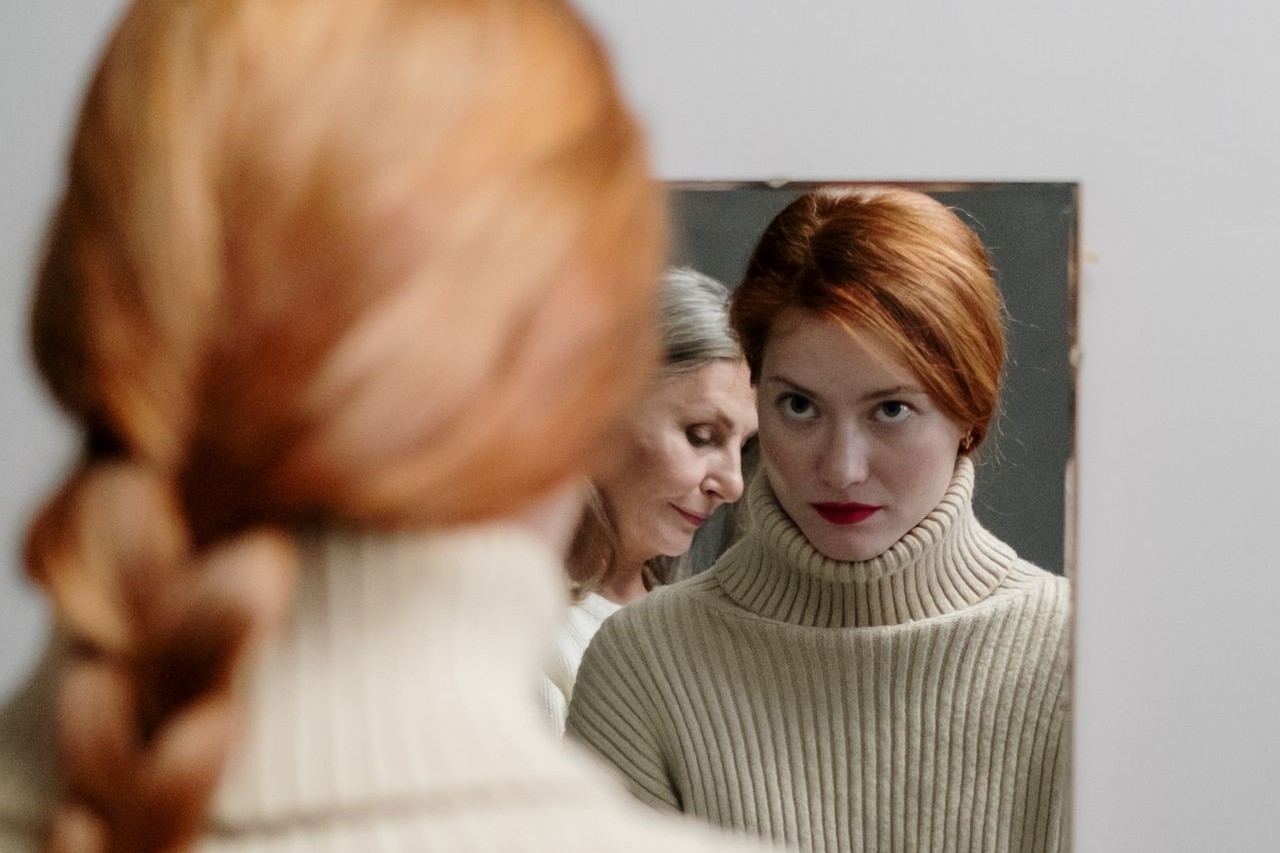
Almost everyone has stood in front of a mirror and wondered whether they look good enough. A bad hair day or an unflattering photo can pass quickly. For some people, though, the feeling of being unattractive does not pass. It settles in, shapes daily routines, and quietly steers decisions about relationships, work, and social life.
These feelings often show up as habits. Some are easy to spot, while others look like ordinary routines from the outside. Understanding these unattractive feeling habits can help people recognize them in themselves and in those they care about, and it can be the first step toward a healthier self-image.
Constantly Checking the Mirror, or Refusing to Look at All
Mirror behavior is one of the clearest signals. Some people check their reflection again and again, turning their heads, adjusting their hair, or searching for flaws they believe others will notice. Each check may bring a brief sense of relief, but the anxiety usually returns quickly, so the checking continues.
Others do the opposite. They avoid mirrors almost entirely, rush through their grooming, or cover the glass in a bathroom. Both patterns come from the same place: discomfort with how they look. Avoidance may feel safer in the short term, but it keeps the underlying worry unexamined.
Psychologists who study body image often describe these behaviors as safety-seeking or checking habits. They may offer a moment of comfort, yet they reinforce the belief that appearance is a constant threat that needs monitoring.
Hiding Behind Clothes and Avoiding Photographs
Many people who feel unattractive build a kind of uniform. They wear oversized clothes in dark colors, choose outfits that cover certain parts of the body, or stick to the same few items because those are the only ones that feel acceptable. Fashion can be a joyful form of self-expression, but when clothing becomes a hiding place, it is usually driven by fear rather than choice.
Photographs are another common battleground. A person may decline group pictures, turn away from the camera, or ask friends to delete images they consider unflattering. Some avoid video calls entirely. Social media becomes a place of constant editing, with filters and cropping used not for fun but to meet an internal standard that never seems reachable.
These habits can feel protective, but they also create distance. Friends and family may wonder why someone never appears in memories, and the person may feel increasingly invisible in their own life.
Comparing Themselves Constantly to Others
Social comparison is a well-documented part of human psychology. Social comparison theory, first proposed by Leon Festinger in 1954, suggests that people judge their own abilities and traits by measuring themselves against others. That process is normal, but it becomes harmful when the comparisons are constant and always end in self-criticism.
Today, comparison has become easier than ever. Scrolling through social media exposes people to a steady stream of carefully chosen images, many of them professionally lit, edited, or posed. Someone who already feels unattractive may spend hours studying other people’s faces and bodies, searching for what they lack. Each session tends to deepen the sense of inadequacy.
The habit often looks harmless: a quick look at a profile, a pause on a tagged photo, a late-night search through old pictures of a former classmate. Over time, however, these small moments can reshape how a person sees themselves.
Shrinking in Conversations and Apologizing Too Much
Body language and speech patterns can also reveal how someone feels about their appearance. People who feel unattractive may avoid eye contact, lean away from others, or keep their arms folded. They might speak quietly, cover their mouth when they laugh, or position themselves at the edge of a group.
Excessive apologizing is another sign. Someone may say sorry for taking up space, for asking a simple question, or even for being in a photo. This habit often grows out of a wider belief that they do not deserve attention. Even when others reassure them, the feeling of being a burden or an unwelcome presence can persist.
These behaviors may make social situations feel more difficult, which can lead to a cycle of withdrawal. The less someone participates, the fewer chances they have to experience positive attention, and the more convinced they may become that they are unappealing.
Avoiding Social Events and Romantic Opportunities
Many people with low appearance confidence begin declining invitations. They skip parties, cancel plans at the last minute, or stop attending gatherings where they might be photographed or closely observed. Dating can become especially stressful. Some avoid it altogether, assuming that potential partners will not be interested, while others never fully open up to the possibility of a relationship.
This avoidance can look like a lifestyle choice from the outside. Inside, it is often a way to escape the discomfort of being judged. Unfortunately, the escape also limits experiences that could challenge the negative belief in the first place. A person who never attends a social event cannot discover that others are often more focused on their own concerns than on anyone’s appearance.
Overinvesting in Fixes and Feeling Never Satisfied
Some people respond to unattractive feelings by trying to fix everything at once. They spend heavily on cosmetics, clothing, or cosmetic procedures. They follow strict grooming routines, exercise compulsively, or switch between diets in search of the perfect body. Improving one’s health and appearance is not inherently negative, and many people benefit from self-care. The concern arises when the pursuit becomes urgent, never ends, and never produces the relief it promises.
The pattern usually looks like this: a new product or change brings a brief boost of confidence, followed by a new list of flaws to address. Because the core belief is not addressed, satisfaction remains out of reach. Financial strain, exhaustion, and disappointment can follow.
Negative Self-Talk and Rumination
Perhaps the most important unattractive feeling habit happens inside the mind. People who feel unattractive often replay critical thoughts throughout the day: “I look tired,” “Nobody wants to be around me,” “Everyone notices my face.” These thoughts may feel like facts, but they are often exaggerated or inaccurate.
Rumination, the habit of repeatedly thinking about the same worry without resolving it, can intensify these feelings. A single awkward comment from a coworker may be analyzed for days. A glance from a stranger may be interpreted as judgment. This mental loop can drain energy and make it harder to enjoy everyday life.
Many people also dismiss compliments. When someone says they look nice, the response may be a quick denial or a joke that deflects the praise. Over time, this reflex can make it difficult to receive positive feedback, which keeps the negative view firmly in place.
Why These Habits Matter
These behaviors are more than private quirks. They can affect mental health, relationships, and career opportunities. Persistent worry about appearance can contribute to anxiety and low mood. In more serious cases, it can develop into body dysmorphic disorder, a condition in which a person becomes preoccupied with perceived flaws that others may not notice. Estimates suggest the condition affects roughly 2 percent of the general population, though many cases go unrecognized.
The good news is that these habits are not permanent. Awareness is the first step. Recognizing when checking, hiding, comparing, or self-criticism is taking over can create room for change.
Practical Ways to Break the Cycle
Changing deeply rooted habits takes time, but several approaches can help. Start by noticing triggers. Does a particular app, photo, or social situation make the feeling worse? Limiting exposure to content that encourages comparison, such as unfollowing accounts that cause distress, can reduce the pressure.
It can also help to challenge the inner critic. When a harsh thought appears, try asking whether it is fair, whether a friend would be spoken to that way, and what evidence supports it. Gradual exposure, such as going to a social event for a short time or taking a photo without retakes, can gently test the belief that others are constantly judging.
Self-compassion matters as well. Treating yourself with the same patience you would offer a friend can soften the harshness of self-criticism. Focusing on what your body can do, the people you enjoy, and the activities that give you meaning can shift attention away from appearance alone.
When to Seek Professional Support
If feelings of unattractiveness lead to significant distress, interfere with work or relationships, or involve repeated checking, avoidance, or thoughts about procedures that feel impossible to resist, speaking with a doctor, psychologist, or licensed counselor is a wise step. Cognitive behavioral therapy is widely used to address body image concerns and related anxiety, and it can provide practical tools tailored to each person.
Asking for help is not a sign of weakness. It reflects a willingness to understand oneself more fully and to build a life that feels less dominated by fear.
Looking Beyond the Mirror
Feeling unattractive is a painful experience, and the habits it produces can be exhausting. Yet these patterns are learned, and learned patterns can change. A person who has spent years hiding from cameras can slowly learn to appear in photos. Someone who constantly compares themselves to others can practice focusing on their own values and goals. Those who shrink in conversations can rediscover the pleasure of being heard.
Beauty standards in media and online spaces are often narrow and heavily edited. Real attractiveness includes kindness, humor, curiosity, warmth, and the way a person treats others. Many people who appear confident are simply practicing self-acceptance one day at a time.
Recognizing unattractive feeling habits is the first step toward freeing yourself from them. With awareness, compassion, and support when needed, it is possible to replace self-doubt with a more balanced and genuine sense of self-worth.