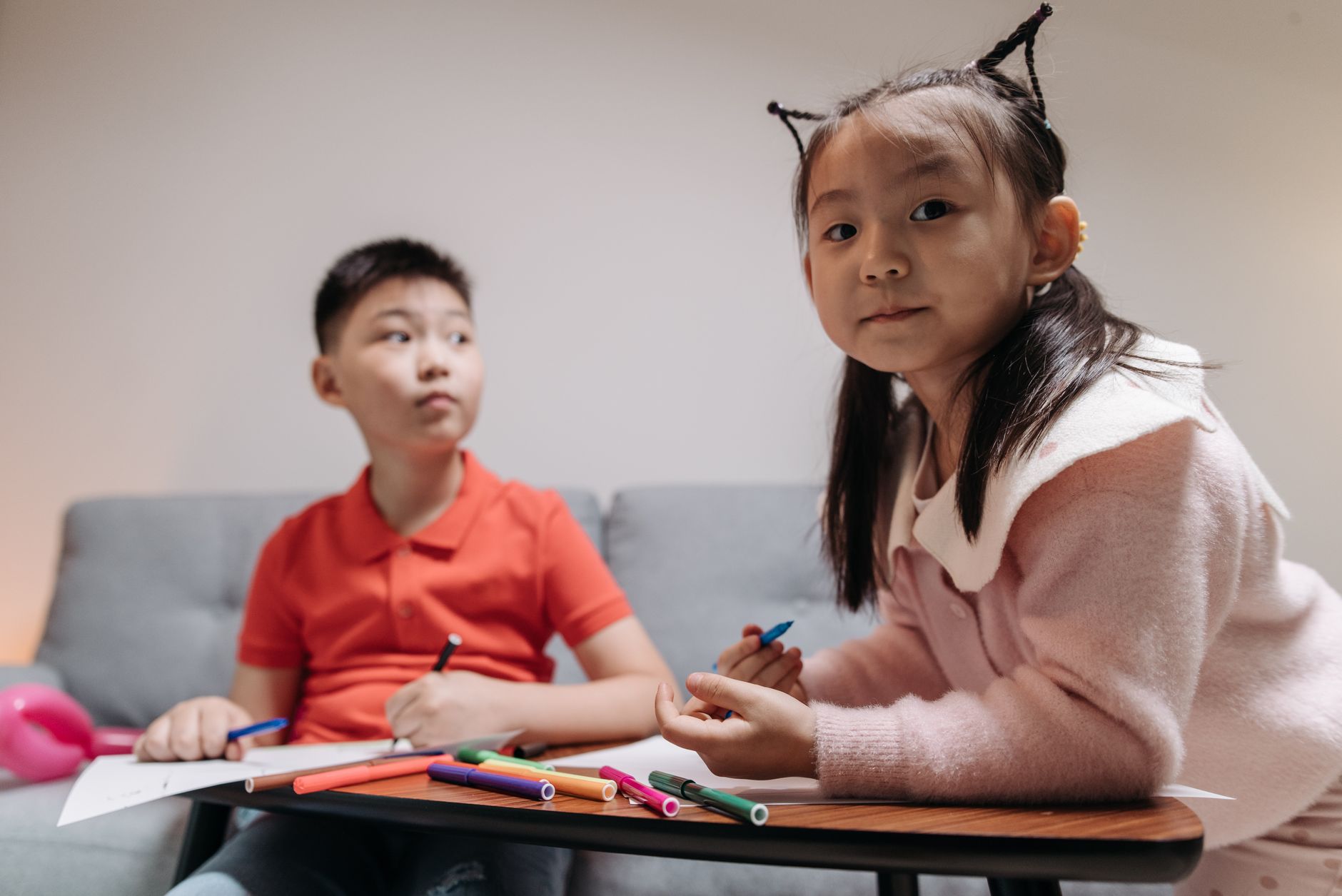
Children are often described as observers, and at home that description fits. They watch how a parent walks through the door after a long day, how siblings share the remote, and how the dinner table gets quiet when a phone buzzes. Much of this goes unnoticed by the adults in the room. Understanding children’s perception at home can change how families communicate, resolve conflict, and build trust.
Children are constantly reading their surroundings, even when they seem absorbed in toys or cartoons. Adults tend to focus on the big events, such as arguments, bills, or work deadlines. Kids often register the small details that sit underneath those events. Here is a closer look at what children pick up on and why it matters.
The Emotional Weather in the House
Long before children can explain what they feel, they can sense the emotional climate of their home. Developmental researchers have long documented a phenomenon called social referencing, in which infants and toddlers look to a caregiver’s facial expression and tone to decide how to react to something unfamiliar. A baby who sees a parent smile at a new dog is more likely to approach it. A baby who sees a parent frown may hesitate or cry.
This sensitivity doesn’t disappear as children grow. Older kids become skilled at reading mood from a parent’s footsteps, the way a cabinet closes, or the length of a pause before someone answers a question. Many children can tell within minutes whether a parent is tired, anxious, or simply distracted, even when the adult insists everything is fine.
The problem is that children often misinterpret what they sense. A parent who is stressed about money may snap at a child, and the child may conclude that they did something wrong. Adults rarely realize that a child has quietly taken responsibility for a mood that had nothing to do with them. Naming feelings out loud, such as saying “I’m feeling frustrated about work, and it’s not because of you,” helps children place emotions where they belong.
The Gap Between What Adults Say and What They Do
Children are remarkably good at spotting inconsistency. A parent may tell a child to put away devices at dinner while checking a phone under the table. A household may preach kindness while one adult speaks harshly to a partner. Kids rarely call out these contradictions, but they absorb the behavior and often copy it.
Researchers Brandon McDaniel and Sarah Radesky have studied what they call “technoference,” the interruptions that digital devices cause in family interactions. Their work suggests that frequent phone use during parent-child moments can make children feel less valued and can lead to more behavior problems over time. Children notice when a screen wins the competition for attention, even if the adult believes they are multitasking effectively.
The lesson for families is not perfection. Children do not need adults who never make mistakes. They need adults who acknowledge mistakes. Saying “I shouldn’t have been on my phone during our talk, let’s start again” teaches a child more about honesty and respect than any lecture about manners.
Fairness, Favoritism, and the Family Scorecard
Ask a room of siblings whether their parents treat them equally, and you may get a long and detailed list of examples. Children keep careful track of who got the bigger slice of cake, who stayed up later, who received more praise, and who was allowed to skip chores. Adults often assume these comparisons are petty, but for children, fairness is a serious matter.
Psychologists studying sibling relationships have found that perceived differential treatment, meaning the sense that one child is favored over another, is linked to feelings of resentment and lower self-esteem. What matters is often not the objective reality but the child’s perception. A parent who spends an extra twenty minutes with one child at bedtime may think nothing of it, while the other child may feel overlooked for days.
Adults can help by explaining the reasons behind different rules. A child who is older may have later bedtimes because of a different schedule, and naming that reason openly reduces the feeling of unfairness. Parents can also make sure each child gets some individual, undivided time, even if it is short.
Money Talk Without Words
Children rarely hear the full story of household finances, but they often sense when money is tight. They notice when a favorite snack disappears from the shopping list, when a planned trip is canceled without explanation, or when adults lower their voices during phone calls about bills.
The concern for children is not the money itself but the uncertainty around it. When kids don’t understand what is happening, they may imagine worse scenarios than reality. A child might worry that the family is about to lose the house or that a parent will leave. Age-appropriate honesty can ease these fears. Telling a school-age child, “We’re being careful with spending this month, but we’re okay, and I’ll tell you if anything big changes,” gives them a clear picture without burdening them with adult worries.
Conflict Between Adults and the Children Watching
Arguments between adults are among the things children notice most sharply, and adults often underestimate how much these moments affect them. Many parents believe that keeping arguments behind closed doors protects their kids. In reality, children frequently know an argument is happening even when voices are lowered. They notice the silence afterward, the slammed doors, the tension at breakfast the next morning.
Research on children’s exposure to family conflict, including large studies on adverse childhood experiences, has consistently linked high levels of household conflict and instability with stress responses in young people. That does not mean every disagreement is harmful. Children can learn a great deal from watching adults disagree respectfully and then reconcile. What they struggle with most is unresolved hostility.
When adults do argue in front of children, repair matters more than the argument itself. A simple “We had a disagreement, and we’ve worked it out” can reassure a child that conflict does not mean the family is falling apart.
The Quiet Rules Children Create
Children also build their own rules about how the world works, and these rules often come from what they observe at home. A child who notices that one parent always apologizes first may learn that being the calm one keeps the peace. A child who sees that a parent only listens when voices are raised may learn that they must shout to be heard.
These unspoken lessons shape children’s relationships for years. Adults rarely see them forming in real time, which is why they can be surprised when a child reacts in an unexpected way. A child who grows up watching adults apologize sincerely often becomes an adult who can admit mistakes. A child who learns that emotions are dangerous may grow up hiding feelings.
Parents can make these hidden lessons more intentional. Asking children what they think about a family decision, or explaining why a rule exists, turns passive observation into active understanding. Kids are more likely to follow rules they understand than rules they simply absorb.
What Adults Can Do Differently
Understanding children’s perception at home does not require parents to become flawless. It requires a bit more awareness and a willingness to slow down. Here are a few practical steps families can take:
- Check in on the emotional tone. Ask children how they are feeling about the day, not just what they did.
- Acknowledge mistakes openly. Children learn accountability by watching adults take responsibility.
- Give undivided attention regularly. Even ten minutes of focused time can change how a child feels about their place in the family.
- Explain big changes simply. Honest, age-appropriate information reduces the fear that comes from silence.
- Ask for the child’s view. Questions like “How did that make you feel?” show that their perspective matters.
Listening Is the Real Lesson
Children notice far more about home life than most adults realize. They read moods, catch contradictions, track fairness, sense financial strain, absorb conflict, and quietly build their own rules about relationships. Much of this happens without a single word being spoken.
The good news is that adults do not need to hear every hidden signal to make a difference. Paying attention to children’s emotions, admitting mistakes, and talking honestly about the family’s life can close the gap between what adults think children see and what they actually understand. In a home where children feel seen, their observations become a source of connection rather than a secret world that adults never notice.