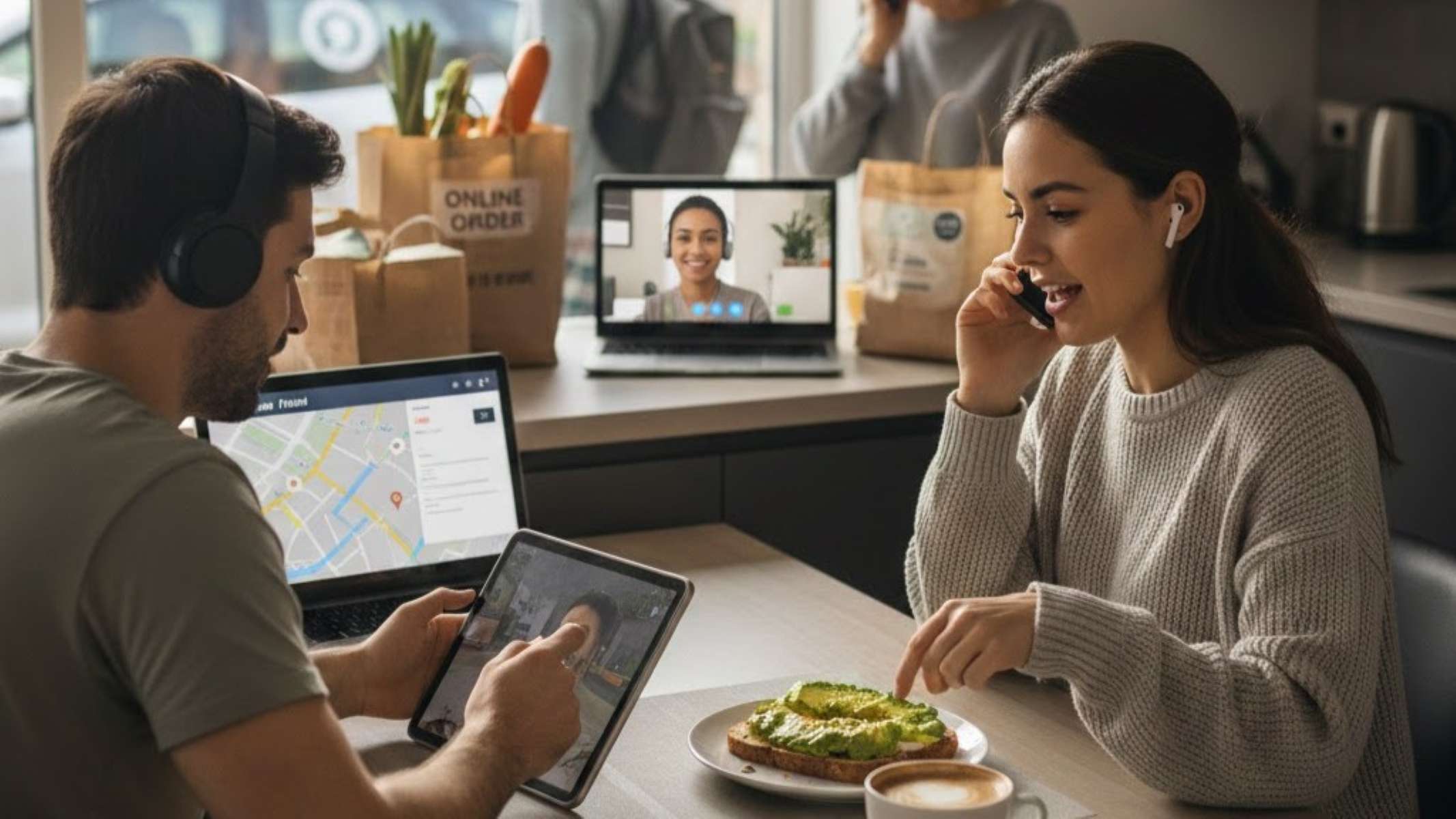
Middleportal.com – We often think of evolution as a slow, multi-generational process that reshapes species over thousands of years. However, the digital lifestyle evolution has proven that human culture can shift in the blink of an eye. If you were to explain our current daily routines to someone from the mid-1990s, they might think we had lost our collective sense of caution and social etiquette. What was once considered rude, dangerous, or simply eccentric has now become the bedrock of our modern existence.
As we navigate this interconnected world, our behaviors have adapted to the tools at our fingertips. This shift isn’t just about gadgets; it is about a fundamental change in how we perceive privacy, trust, and community. We have traded old-school formalities for a new kind of digital convenience that defines how we eat, work, and love.
Understanding the Digital Lifestyle Evolution
To grasp why our habits have changed so drastically, we must first look at the digital lifestyle evolution. This term refers to the way internet connectivity and mobile technology have integrated into the fabric of daily life, transforming traditional social boundaries. It represents a transition from technology being a “tool we use” to technology being an “environment we inhabit.” This evolution is driven by the need for efficiency and the human desire for constant connection, which often overrides long-standing social taboos.
1. Recording Private Meals for Social Media
There was once a time when bringing a camera to a dinner table was reserved for birthdays or rare celebrations. Today, the digital lifestyle evolution has turned the dinner table into a stage. We frequently pause before the first bite to ensure the lighting is perfect for a photograph. What used to be a private moment of nourishment is now a shared piece of content. This habit reflects our desire to curate our identities through the experiences we consume, making the visual presentation of a meal nearly as important as its taste.
2. Meeting Romantic Partners Through Mobile Apps
Not long ago, “meeting someone online” carried a heavy social stigma, often associated with desperation or safety risks. Fast forward to the present, and mobile apps have become the primary way modern couples find one another. We have moved from organic “meet-cutes” in coffee shops to intentional, algorithm-based matching. This shift has normalized the idea of vetting a partner’s digital profile before ever hearing the sound of their voice, turning a once-taboo practice into a standard romantic ritual.
3. Entering Private Vehicles with Total Strangers
The phrase “don’t get into cars with strangers” was a golden rule for generations. Yet, the rise of ride-sharing platforms has completely flipped this safety logic on its head. Now, we use our phones to summon a private vehicle and hop into the backseat of a stranger’s car without a second thought. This behavior highlights a massive shift in social trust, where we rely on digital ratings and GPS tracking to provide a sense of security that was previously found only in regulated taxi services.
4. Talking Loudly Into Wireless Earbud Microphones
If you saw someone walking down the street talking animatedly to themselves twenty years ago, you might have assumed they were experiencing a mental health crisis. Today, with the ubiquity of wireless earbuds, this is just a sign of a busy professional or a social butterfly. The digital lifestyle evolution has blurred the lines between our physical surroundings and our digital conversations. We now occupy two spaces at once—the sidewalk we are walking on and the virtual room where our conversation is happening.
5. Documenting Entire Vacations Through Phone Lenses
The goal of a vacation used to be “getting away from it all,” but the modern norm is to take everyone with you. We often view majestic sunsets and historic landmarks through a six-inch screen rather than with our own eyes. This drive to document every moment ensures that our memories are preserved in high definition, but it also changes the nature of the travel itself. We are no longer just tourists; we are digital archivists, constantly feeding the narrative of our lives to an online audience.
6. Working Professionally While Wearing Pajama Bottoms
The “professional” image used to be inseparable from formal attire. However, the remote work revolution has taught us that productivity doesn’t require a suit. The habit of wearing a crisp, collared shirt for a video call while remaining in pajama bottoms or sweatpants has become a symbol of the modern workforce. This behavior reflects a broader trend in the digital lifestyle evolution where the focus has shifted from the performance of “looking busy” to the actual output of our labor.
7. Buying Expensive Groceries Without Physical Inspection
Selecting the perfect avocado or the freshest cut of meat used to be a hands-on task. Now, we trust an app and a gig-worker to do the selecting for us. Digital grocery shopping has moved from a niche luxury to an essential weekly habit for millions. We have traded the sensory experience of the marketplace for the time-saving convenience of a doorstep delivery, trusting that the digital systems in place will maintain the quality we expect.
8. Sharing Precise GPS Locations with Friends
Privacy advocates once warned against the dangers of being tracked, yet many of us now voluntarily broadcast our exact coordinates to friends and family in real-time. Whether it is for safety while walking home or simply to coordinate a meetup at a crowded festival, sharing our GPS location is a modern sign of intimacy and trust. This behavior shows how our definition of “private space” has shrunk in favor of the benefits of constant, location-aware connectivity.
9. Trusting Internet Strangers for Medical Advice
While it is always best to consult a licensed professional for health concerns, the habit of “Googling” symptoms or asking for advice in online forums has become nearly universal. We seek comfort in the shared experiences of strangers who have faced similar ailments. In the context of the digital lifestyle evolution, these online communities provide a level of immediate, empathetic support that the traditional healthcare system sometimes lacks, even if the information must be taken with a grain of caution.
10. Watching Others Play Video Games Online
To an older generation, the idea of sitting down to watch someone else play a video game for hours might seem baffling. However, platforms like Twitch and YouTube have turned gaming into a premier spectator sport. This behavior isn’t just about the game itself; it is about the personality of the creator and the community in the chat. It represents a new form of entertainment that is interactive, raw, and fundamentally different from the passive experience of watching television.
As we look back at these ten behaviors, it is clear that the digital lifestyle evolution has done more than just provide us with better tools; it has rewritten our social contracts. We have become more open, more trusting of technology, and more inclined to share our lives with the world. While some may mourn the loss of old-fashioned privacy, there is something undeniably inspiring about how quickly we adapt to find connection and convenience in a changing world. As long as we remain mindful of how these habits affect our well-being, this evolution continues to offer exciting new ways to experience the human journey.