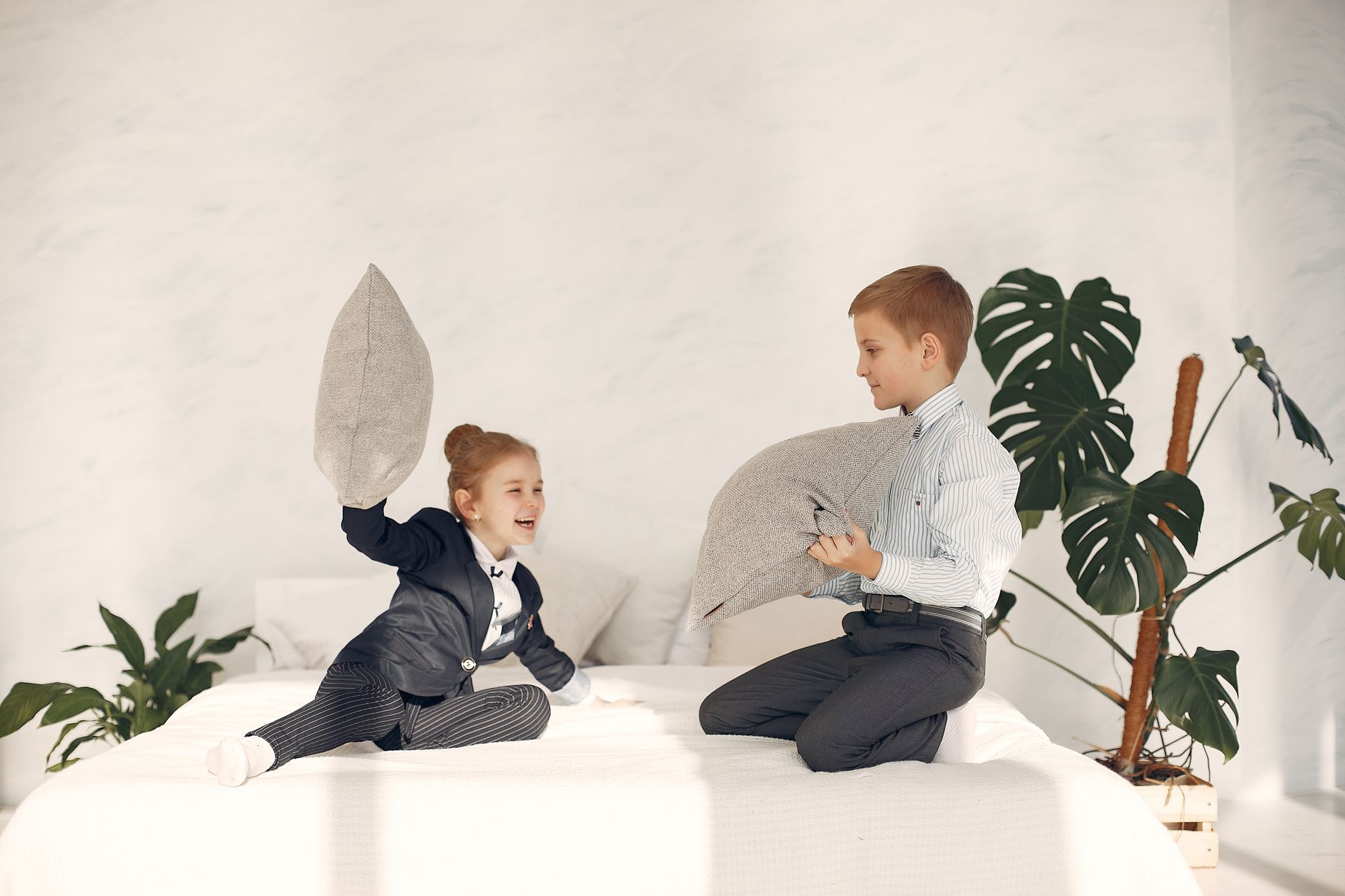
Every parent knows the morning rush. Lunchboxes need packing, shoes go missing, and the clock seems to run faster than anyone can keep up with. In that chaos, it is easy to slip into a stream of instructions: “Hurry up,” “Eat faster,” “We’re going to be late.” Yet the first few minutes of the day can shape how a child feels for hours afterward. Small, warm words spoken at sunrise can be one of the easiest ways to strengthen a child’s mood, confidence, and sense of security.
This is where morning phrases for kids become a practical tool. They do not require expensive activities or perfect timing. They simply require a parent to pause, make eye contact, and say something kind. Combined with the principles of positive parenting, these short greetings can help children start the day feeling seen, valued, and ready to boost child happiness from the very first moment.
Why the Morning Matters for a Child’s Mood
Children move from sleep to school or play in a short window, and their emotional state often carries over into everything that follows. A child who wakes up to a harsh tone may spend the morning on edge. A child who hears a warm word may approach the day with more openness.
Researchers who study child development, including experts at the Harvard Center on the Developing Child, often describe the importance of “serve and return” interactions. These are everyday exchanges in which a child reaches out, through a look, a sound, or a gesture, and an adult responds. Over time, these responsive moments help build the brain architecture that supports emotional regulation, social skills, and resilience. A morning greeting is one of the most frequent and natural chances for this kind of exchange.
Research on family routines has also linked predictable, positive daily rituals with better emotional well-being in children and adolescents. A morning hello, a hug, or a short phrase repeated each day becomes a ritual. Children come to rely on it, and that reliability itself creates a sense of safety.
The Power of Positive Parenting at Sunrise
Positive parenting is an approach that focuses on guiding children through warmth, encouragement, clear expectations, and respect, rather than fear or constant criticism. It does not mean avoiding limits. Instead, it means delivering those limits in a way that keeps the child’s dignity and emotional connection intact.
In practice, positive parenting in the morning often looks like this: setting a clear routine, offering choices instead of commands, and opening the day with affirmation rather than correction. A parent might say, “Would you like the blue cup or the red one?” instead of “Drink your milk now.” Both approaches achieve the same goal, but the first one gives the child a sense of control and partnership.
Many parenting educators also emphasize that children learn how to speak to themselves by listening to how adults speak to them. When a parent consistently greets a child with encouragement, the child is more likely to develop an internal voice that is supportive rather than harsh.
Morning Phrases That Build Happiness and Confidence
The most effective morning phrases are short, specific, and sincere. They do not need to be poetic. A child responds to warmth more than to eloquence. Here are several kinds of phrases that parents can adapt to their own family’s language and personality.
Phrases that celebrate the child as a person. Simple affirmations like “I’m so happy to see your smiling face this morning,” or “I love waking up to you,” tell a child that their presence matters. These words are especially valuable on days when the child feels tired, grumpy, or unsure of themselves.
Phrases that spark curiosity and optimism. Lines such as “What is one thing you’re excited about today?” or “I wonder what fun things you’ll discover at school” invite the child to look forward to the day. They turn the morning from a list of obligations into a small opportunity for anticipation.
Phrases that encourage effort. Saying “I saw how hard you tried to button your shirt yesterday, and you’re getting better every day” focuses on effort rather than perfection. This supports a growth mindset, a concept widely discussed by psychologist Carol Dweck, in which children see abilities as something that can develop with practice.
Phrases that reinforce emotional safety. Words like “Whatever happens today, you can come to me” or “If something feels hard, we’ll figure it out together” help children feel supported. A child who knows a parent is a reliable source of comfort may face challenges with more courage.
Phrases that promote gratitude and kindness. “Let’s try to be kind to our friends today” or “Thank you for helping me set the table” link the morning to values that children carry throughout their lives.
How to Make Morning Phrases Feel Natural
A common concern among parents is that these phrases might sound forced or artificial. The key is consistency and sincerity. Children are quick to notice when words do not match tone or body language. A warm phrase delivered while staring at a phone or shouting from another room loses much of its impact.
Parents can start by choosing two or three phrases they genuinely like and using them every day for a week. Once they feel comfortable, they can rotate in new ones. Some families create a small morning ritual, such as a special handshake, a silly greeting, or a whispered secret. These personal touches make the words memorable and give the child a sense of belonging.
It also helps to remember that mornings will not always go smoothly. Some days a parent will be rushed or stressed. A simple repair goes a long way: “I was grumpy earlier, and I’m sorry. I love you, and I’m glad we’re starting over.” Children learn from these moments that relationships can recover from mistakes, which is an important lesson in emotional health.
Connecting Morning Words to Long-Term Happiness
Morning phrases alone will not solve every challenge a child faces. Happiness is shaped by many factors, including sleep, nutrition, friendships, school experiences, and the overall emotional climate at home. However, consistent daily affirmation contributes to a foundation of trust and self-worth that supports all of these areas.
Child development experts frequently point to secure attachment, a bond in which children feel confident that a caregiver will respond to their needs, as a protective factor for emotional well-being. Morning greetings are one of many small acts that build this security. Over months and years, these repeated moments can help a child develop the confidence to try new things, handle disappointment, and form healthy relationships.
Parents may also find that their own mood improves when they focus on warm morning exchanges. Starting the day with intention can reduce the sense of constant urgency and replace some frustration with connection. In this way, positive parenting benefits the whole family, not just the child.
A Simple Morning Practice for Busy Families
For families short on time, the solution does not have to be complicated. Try setting aside just sixty seconds before the chaos begins. Sit or kneel to eye level, make gentle contact, and offer one meaningful phrase. Follow it with a hug or high five if the child is comfortable with physical touch. Then move on to breakfast and the rest of the routine.
If mornings are especially hectic, parents can prepare by choosing their phrase the night before or by writing a few favorite lines on a sticky note placed on the bathroom mirror or refrigerator. Some families record a short voice message for the child to hear on the way to school or during a bus ride. Creativity matters more than perfection.
Morning phrases for kids are more than sweet sayings. They are small investments in a child’s emotional health, delivered in moments that many parents already have. Rooted in the principles of positive parenting, they remind children that they are loved, capable, and supported before the day even begins. Over time, these simple words can help boost child happiness in ways that extend far beyond breakfast.
The best morning phrase is one that comes from the heart of the parent and fits the child’s personality. Whether it is a gentle “Good morning, sunshine,” a playful “Ready for an adventure?” or a sincere “I’m proud of you,” the message is the same: you matter, and I am glad you are here. Starting each day with that message may be one of the most powerful gifts a parent can give.