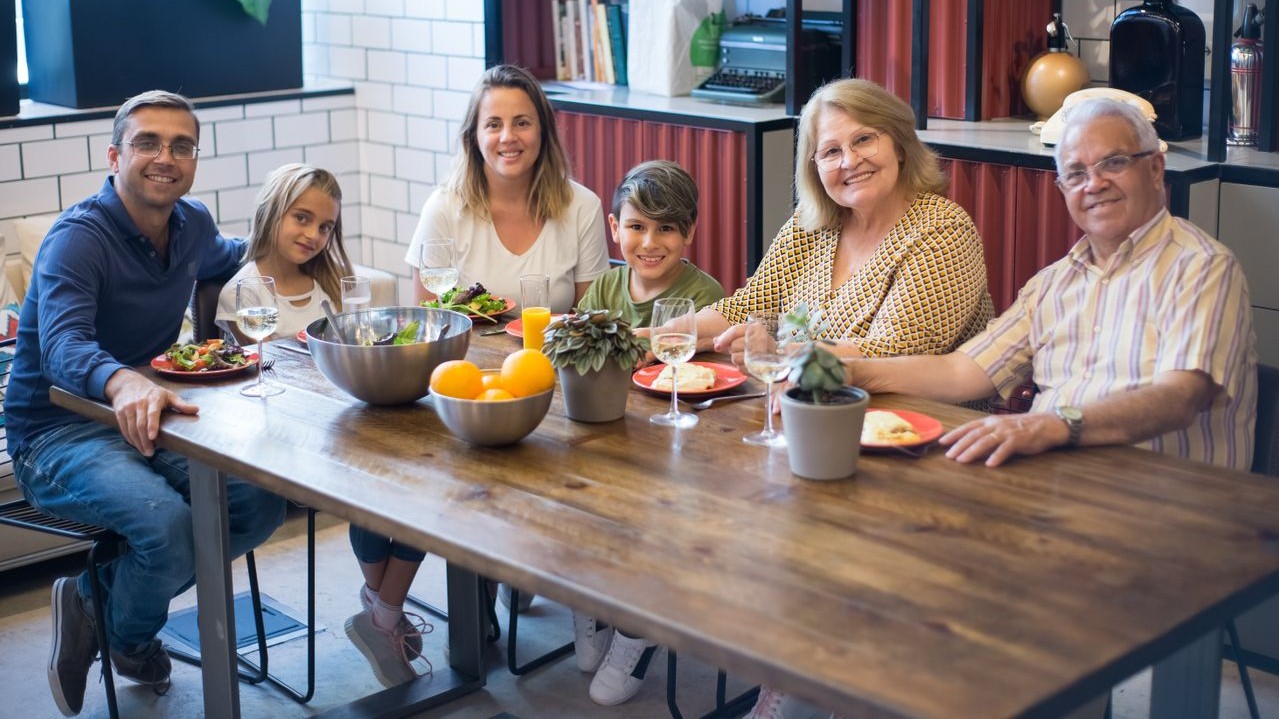
The family dinner has long been a symbol of home life, a nightly ritual of passing dishes, swapping stories, and settling into the day together. For Gen Z, the generation born roughly between 1997 and 2012, that image is being rewritten. As the oldest members of this group move into parenthood, they are bringing new ideas about child-rearing, screen time, nutrition, and what family life should look like. Their approach is shaping the gen z parenting style and, with it, the family dinner evolution happening in kitchens across the country.
Understanding these shifts matters for parents, grandparents, food brands, and anyone curious about where family life is headed. Here is a closer look at how Gen Z is parenting, how their households are changing, and why the dinner table has become a new battleground for connection.
A Generation Raised on Openness and Emotional Language
Gen Z grew up with smartphones in their hands and social media feeds that brought mental health conversations into the open. Many of them were taught from an early age to name their feelings, talk about anxiety, and set boundaries. That background is central to how they raise their own children.
Researchers and parenting commentators often describe this approach as intentional or gentle parenting. Instead of relying primarily on strict discipline or rigid authority, many Gen Z parents aim to understand the reasons behind a child’s behavior. They tend to emphasize emotional validation, open communication, and explaining rules rather than simply enforcing them. A toddler’s tantrum may be met with a calm statement about the feeling behind it, not a scolding.
Critics sometimes argue that this style can become permissive, and experts continue to debate where the line should be drawn. Still, the emphasis on emotional literacy reflects a clear generational shift. Many Gen Z parents want their children to grow up feeling heard, and they see that goal as part of raising resilient adults.
Screens, Boundaries, and the Digital Parenting Dilemma
No generation understands the pull of screens quite like Gen Z. Many of them spent their own childhoods on tablets, gaming consoles, and video platforms, so they know firsthand how easily technology can take over a home. That experience has made them both enthusiastic users of digital tools and cautious gatekeepers for their children.
Many Gen Z parents set clear limits on screen time, often with specific device-free zones such as bedrooms or the dinner table. Some use parental control apps, while others prefer agreed-upon routines, like no phones during meals or a “tech sunset” an hour before bed. The goal is usually not total abstinence but balance and predictability.
At the same time, this generation is also more likely to share their parenting journeys online. The practice sometimes called “sharenting,” in which parents post photos and details about their children on social platforms, has drawn growing debate about privacy and consent. Many younger parents now think carefully about what they share, and some choose to keep their children’s faces or full names off public feeds.
Mental Health Takes Center Stage at Home
Mental health is one of the defining themes of Gen Z family life. Having seen peers and relatives struggle with anxiety, depression, and burnout, many young parents treat emotional wellbeing as a household priority rather than a private matter.
This shows up in everyday choices: therapy is more openly discussed, school counseling is considered normal, and parents often talk about their own mental health with their children in age-appropriate ways. Family routines are frequently designed to protect downtime, reduce overscheduling, and make space for rest.
This focus has also changed how families approach conflict. Instead of ending disagreements with a quick command, Gen Z parents are more likely to pause, name what everyone is feeling, and look for solutions together. Critics may find this slow, but supporters say it builds trust and emotional skills that last well into adulthood.
The Family Dinner Evolution: From Rigid Rituals to Flexible Routines
Few areas show the generational shift more clearly than the family meal. For decades, the sit-down dinner at a fixed hour was a cultural ideal. Research from organizations such as the National Center on Addiction and Substance Abuse at Columbia University has linked regular family dinners with a range of positive outcomes for adolescents, including lower rates of substance use and better communication with parents. Those findings are widely cited, and they explain why the family table still carries such weight.
Yet modern schedules rarely match the traditional picture. Long commutes, rotating shifts, remote work, and extracurricular activities have made it harder for many families to eat together every night. Gen Z parents, who often juggle gig work, flexible schedules, or demanding careers, have adapted by rethinking the meal itself rather than abandoning it.
The result is what might be called a more flexible family dinner. Some households eat together only three or four nights a week. Others gather for a big weekend breakfast or a late Sunday meal, with weeknights handled through quick, simple dishes. Some families embrace “breakfast for dinner” or make a habit of cooking together, turning the kitchen into a shared space rather than a place where one person works alone.
What matters, many parents say, is not the exact time or format but the intention behind it. A short meal in which everyone puts down their phones and talks can feel more meaningful than a long, tense dinner in front of the television.
How Gen Z Is Reshaping What Ends Up on the Plate
Food habits are changing alongside family routines. Gen Z is widely known for its interest in health, sustainability, and food transparency. Many young parents read ingredient labels closely, seek out fresh produce, and show curiosity about plant-based eating, even if they do not follow a strict vegetarian or vegan diet.
Social media has also played a major role. Short cooking videos, recipe trends, and viral food hacks reach young parents quickly, and many of them are eager to experiment. Air fryers, one-pot meals, sheet-pan dinners, and batch cooking have all gained popularity in households where time is tight but interest in home cooking remains high.
At the same time, convenience has never been more available. Meal kits, grocery delivery, and ready-to-eat options are part of everyday life for many families. Gen Z parents tend to see these tools as practical support rather than a failure of cooking. The line between “homemade” and “store-bought” is often blurred, with many families combining fresh ingredients from the store with prepared sauces or pantry staples.
Another notable change is the approach to picky eating and child nutrition. Rather than forcing children to clean their plates, many Gen Z parents use what is often called a responsive or division-of-responsibility approach: the parent decides what is served and when, and the child decides whether and how much to eat. Supporters say this reduces mealtime power struggles and helps children develop healthier relationships with food. Pediatric nutrition experts have promoted similar ideas for years, though specific recommendations vary and families are generally encouraged to consult professionals when concerns arise.
Cooking as Connection, Not Just Chore
For many Gen Z families, the kitchen has become a place for learning and bonding. Children may help wash vegetables, measure ingredients, or stir a pot, turning meal preparation into a shared activity. Parents often see this as a way to teach practical skills, build confidence, and open up conversation.
This shift also reflects changing ideas about gender roles. Gen Z fathers and mothers are more likely to share cooking and cleanup, and many households divide household tasks more evenly than previous generations did. Although progress is uneven and surveys show that women still shoulder more domestic labor on average, the emphasis on shared responsibility is clear in how many young families organize their routines.
What This Means for Families, Brands, and Policymakers
The rise of Gen Z parenting carries implications well beyond the home. Food companies are adjusting to smaller, more flexible households, offering portion sizes, transparent labeling, and meal solutions designed for busy families. Schools and workplaces are paying more attention to mental health supports and family-friendly schedules. Public health advocates are looking for ways to encourage family meals without placing unrealistic expectations on working parents.
For grandparents and older relatives, the changes can be surprising. Traditions that once seemed fixed, such as the Sunday roast or the holiday feast, may be reinterpreted to fit new schedules and dietary preferences. Many families find that blending old rituals with new habits creates a meaningful middle ground.
A Table Built for a New Era
Gen Z parenting is not a single template. It varies across cultures, incomes, and regions, and not every young parent embraces every trend. Still, several themes stand out: a commitment to emotional openness, a careful approach to technology, a focus on mental health, and a flexible view of the family meal.
The family dinner is not disappearing, but it is evolving. For Gen Z, the goal is less about preserving a rigid tradition and more about creating a space where children feel safe, heard, and connected. Whether that happens over a carefully planned dinner, a quick weeknight pasta, or a shared breakfast before school, the underlying message is the same: the table still matters, and the people gathered around it matter most.