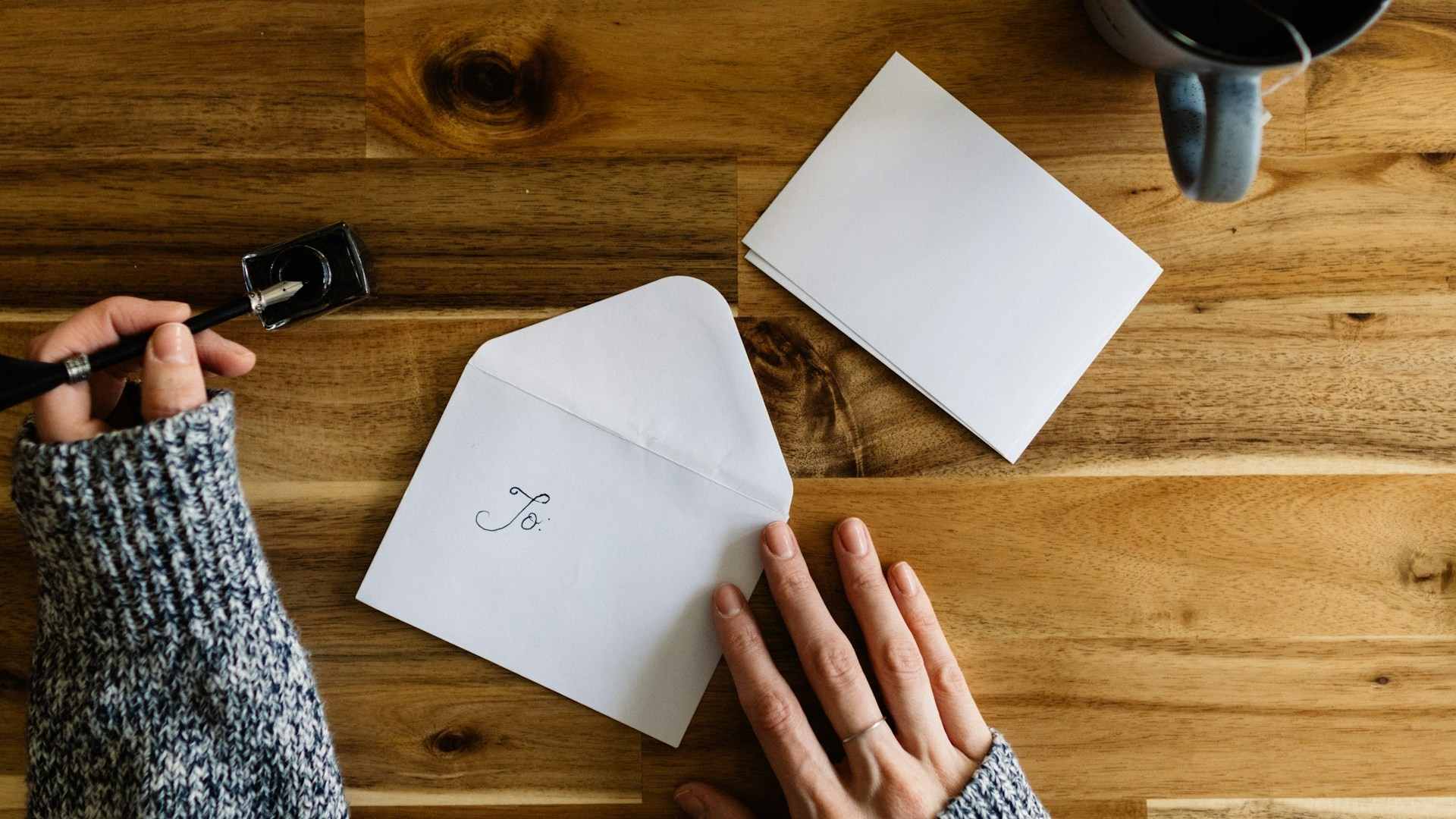
A generation raised on instant messages is picking up the pen. Across social media, stationery shops, and pen pal communities, young adults born roughly between 1997 and 2012 are rediscovering the handwritten letter. The rise of the letter writing trend Gen Z has embraced is more than a passing aesthetic. It reflects a growing hunger for connection that feels deliberate, personal, and unhurried.
For a generation that has never known life without a smartphone, the appeal is worth examining. Why would people who can send a message to anyone on Earth in seconds spend money on envelopes, wait days for a reply, and risk a smudged sentence? The answer says a lot about how young people think about relationships, attention, and the digital world they grew up in.
From Chat Bubbles to Paper Pages
Text messaging was once considered the cutting edge of communication. It was fast, cheap, and convenient. Over the past decade, though, the same features that made texting appealing have started to feel exhausting. Group chats never stop buzzing. Read receipts create pressure to reply immediately. Typing indicators turn a simple conversation into a guessing game about what the other person is about to say.
Many Gen Z users describe this constant availability as mentally draining. A message arrives, then another, then a voice note, then a meme, and suddenly a casual exchange has taken over an entire afternoon. Letters offer a clear alternative. A letter arrives once, is read once, and can be answered when the writer has time to think. There is no expectation of an instant response, and that release from pressure is one of the biggest draws.
Social media has amplified the movement. Videos showing people decorating envelopes, sealing letters with wax, or unboxing mail from a friend overseas regularly rack up large numbers of views. Hashtags related to snail mail and pen pals have become lively corners of platforms like TikTok and Instagram, where users share tips on choosing paper, writing prompts, and tracking international postage.
The Power of Slow Communication
At the heart of this shift lies the idea of slow communication. The concept sits comfortably within the broader slow living movement, which encourages people to reduce speed and noise in favor of depth and intention. Advocates argue that rushing through conversations often leads to shallow exchanges, while slower forms of contact allow people to say what they actually mean.
The slow communication benefits that young people describe tend to fall into a few familiar categories. The first is clarity. When you write a letter, you typically draft, reread, and revise before sending. The result is often more thoughtful than a quick text sent between classes or during a commute. The second is emotional depth. Many writers say they share more personal stories in letters than they ever would in a chat thread, partly because the act of writing by hand slows the pace and encourages reflection.
Psychologists have long noted that the anticipation of receiving something can boost mood. A letter in the mailbox creates a small moment of delight that a notification rarely matches. Waiting for a reply becomes part of the experience rather than a source of frustration. Instead of checking a phone every few minutes, the writer builds a rhythm of hoping, imagining, and eventually celebrating a reply that finally arrives.
There is also a sense of permanence. Text messages disappear into endless scrolls, often lost after a phone upgrade or an accidental deletion. A physical letter can be kept in a drawer, tucked into a journal, or reread years later. For a generation that has been warned repeatedly about digital footprints and disappearing content, something tangible carries a special kind of comfort.
The Appeal of Handwritten Correspondence
Beyond the emotional benefits, the handwritten correspondence appeal rests on the simple pleasure of physical objects. Choosing stationery has become a creative hobby in its own right. Young people trade recommendations for fountain pens, washi tape, vintage postcards, and textured paper. Stationery stores and independent shops in many cities have reported growing interest from younger customers, and online marketplaces have seen steady demand for letter-writing supplies.
Handwriting itself carries meaning. A personal script reveals something about the writer in a way that a standard font never can. Crossed-out words, ink blots, and doodles in the margins add character. Many recipients say they recognize a friend’s handwriting instantly and feel a warmth that a screen cannot replicate.
Researchers in education and cognitive science have also explored the value of handwriting. Some studies suggest that writing by hand engages memory and attention differently than typing does, encouraging people to process ideas more carefully. While the research is still developing, many young letter writers say they feel more present and focused when they write on paper, and that sense of presence is precisely what draws them in.
Pen Pals and the Rise of Community
Another driver of the trend is community. Pen pal programs and online letter-writing groups have grown as people look for meaningful connections beyond their immediate circles. Some participants join programs that match them with strangers in other countries, which offers a chance to practice language skills, learn about different cultures, and build lasting friendships.
These exchanges often start with a simple introduction and gradually grow into conversations about hobbies, families, dreams, and daily life. The slow pace allows for a kind of intimacy that can feel refreshing in an era of rapid online interaction. Some young people say their pen pal relationships have become among the most important friendships in their lives, even though they have never met in person.
Local letter-writing clubs and workshops have also appeared in various cities, where participants gather to write together, share prompts, and swap envelopes. These gatherings reflect a broader desire for offline experiences that feel social without being overwhelming.
Is It a Fad or a Lasting Shift?
Skeptics argue that the letter writing trend is simply another nostalgic wave, similar to the revival of vinyl records or film photography. It is true that trends driven by social media can fade quickly. Yet many participants say they plan to keep writing letters long after the viral moment passes, because they have found something that genuinely improves their relationships and well-being.
It is also worth noting that Gen Z has not abandoned digital tools entirely. Most letter writers still use smartphones daily for work, school, and entertainment. Instead, they are choosing when to go analog. Texting remains useful for logistics, quick updates, and urgent questions. Letters have become a way to add depth to relationships that might otherwise rely on brief, surface-level exchanges.
This balance may be the most important lesson of the trend. Rather than rejecting technology outright, young people are asserting control over how they use it. They are deciding which conversations deserve speed and which deserve patience, and that thoughtful approach may outlast any particular fashion.
What the Trend Means for Relationships
For many Gen Z letter writers, the movement is ultimately about relationships. In a world where people are constantly reachable, a handwritten letter sends a clear message: you were worth the time it took to write this. The effort, the wait, and the physical presence of paper all signal care in a way that a quick emoji reply often cannot.
Parents, teachers, and friends have begun to notice. Some families now organize letter exchanges between siblings or grandparents and grandchildren, bridging generational gaps with a shared activity. Schools and community groups have experimented with letter projects that encourage students to write to residents of nursing homes or to pen pals in other regions.
These practices suggest that the appeal of letters extends well beyond Gen Z. The generation may be leading the charge, but the underlying desire for meaningful, unhurried connection is something people of all ages can understand.
A Quiet Revolution in the Mailbox
The return of the handwritten letter may seem small compared with the sweeping changes of the digital age. Yet it represents a thoughtful response to a world that often moves too fast. By choosing paper over pixels and patience over immediacy, young people are rediscovering the joy of waiting for something good.
As the letter writing trend Gen Z has championed continues to grow, it offers a simple but powerful lesson. Sometimes the most meaningful way to say “I’m thinking of you” is not to send it instantly, but to take a few minutes, pick up a pen, and let the words find their way onto paper. Somewhere, a mailbox is waiting, and someone may be about to smile at a familiar handwriting on an envelope.