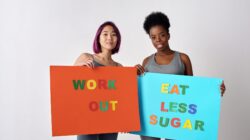
Shifting social norms are changing the rules of daily life faster than many parents, teachers, and employers expected. From how people talk about mental health to how they define a career, younger generations are questioning habits that once seemed permanent. Their views are reshaping workplaces, families, and public debate, and the changes reach far beyond the classroom or the office.
Understanding these generational differences is not about deciding who is right. It is about recognizing why the world looks so different through the eyes of people born into a new century.
A World Shaped by Technology From the Start
Gen Z, generally defined as people born from the late 1990s to the early 2010s, is the first generation to grow up with smartphones and social media as ordinary parts of childhood. Many of them learned to read, make friends, and form opinions through a screen before they could drive.
That early exposure matters. Constant access to information means young people encounter different lifestyles, beliefs, and political views long before previous generations did. A teenager in a small town can follow activists in another country, learn about a cultural tradition they have never seen, and compare their own family’s expectations with those of strangers online.
As a result, many young people treat norms as starting points for discussion rather than unquestioned facts. They ask why something is done a certain way, and if the answer does not hold up, they feel free to change it.
Redefining Respect, Privacy, and Communication
One of the clearest examples of shifting social norms is communication. Older generations often viewed respect as deference: speaking politely to elders, avoiding open disagreement, and keeping personal struggles private. Many younger people still value respect, but they often define it differently. For them, respect can mean listening, being honest, and treating others as equals regardless of age or status.
Privacy has also changed meaning. Young people frequently share details about their lives online, including their relationships, mental health journeys, and career setbacks. For some older adults, this openness looks reckless. For many young people, however, sharing experiences builds community, reduces stigma, and helps others feel less alone.
Language has evolved too. Terms related to identity, gender, and inclusion have entered everyday conversation, and younger people tend to adopt them quickly. Some older people find this difficult to follow, while others see it as a natural response to a more diverse society.
Mental Health Is No Longer a Taboo
Few changes are as striking as the way younger generations talk about mental health. In many families a generation ago, anxiety or depression was rarely discussed openly. It was often dismissed as weakness or simply something to endure quietly.
Today, many young people speak openly about therapy, burnout, and emotional wellbeing. They use everyday phrases such as “setting boundaries” or “taking a mental health day,” and many workplaces and schools have responded with counseling services and flexible policies. Surveys from research groups and workplace consultancies, including Deloitte’s long-running Gen Z and Millennial studies, have repeatedly highlighted that younger workers place high importance on mental wellbeing when judging employers.
Critics sometimes argue that this openness can slide into overdiagnosis or an unhealthy focus on emotions. Supporters counter that breaking silence is necessary, because untreated mental health problems carry serious costs for individuals and society. Either way, the norm that suffering must be hidden is weakening.
Work, Money, and the Meaning of Success
The traditional career path once looked simple: finish school, find a stable job, stay loyal to one employer, and gradually climb the ladder. Many young people now see that model as outdated, especially after experiencing economic shocks such as the 2008 financial crisis and the disruptions of the COVID-19 pandemic.
Gen Z culture trends in the workplace reflect this shift. Young workers often prioritize flexibility, purpose, and personal growth over prestige or lifetime job security. They may switch jobs more often, start side businesses, or work as freelancers and content creators. Concepts such as “quiet quitting,” which describes doing the core duties of a job without going beyond them, have sparked heated debate about work ethic.
Money attitudes also differ. Many young adults grew up hearing about rising housing costs, student debt, and unstable job markets. Some are cautious savers and investors who study personal finance online, while others focus on enjoying experiences now because they doubt traditional milestones will come easily. Older generations sometimes read this as irresponsibility, yet younger people often see it as realism in a changed economy.
Identity, Diversity, and Acceptance
Perhaps the most important shift involves identity. Younger generations tend to be more comfortable discussing gender, sexuality, race, and cultural background. Research from organizations such as the Pew Research Center has shown that younger adults are generally more supportive of LGBTQ+ rights and more likely to see social diversity as a positive force, although views vary widely across countries and communities.
This openness has changed ordinary life. Many young people expect schools and companies to use inclusive language, support different family structures, and address discrimination seriously. Some workplaces now offer gender-neutral restrooms, expanded parental leave, and clearer anti-harassment policies, partly in response to employees who grew up with these expectations.
Not everyone welcomes these changes, and debates over identity remain intense. Still, the basic direction is clear: many young people believe that social norms should evolve to include more people, not fewer.
Why These Differences Matter
Generational gaps have always existed. Parents of every era have worried about the habits of their children. What makes the current period distinct is the speed of change and the global reach of digital culture. Trends that begin in one city can spread across continents within days, and norms once shaped mainly by family, religion, or local tradition now compete with influences from the internet.
This creates both opportunities and tensions. Families may argue about screen time, dating, or career choices. Employers must adapt to employees who expect transparency and flexibility. Policymakers face demands for reforms in education, healthcare, and workplace rights.
Yet bridging these differences is possible. Many older adults are learning from younger relatives about new technologies, and many young people are gaining respect for experience, stability, and hard-earned wisdom. Conversations work best when both sides listen with curiosity rather than judgment.
Looking Ahead
The norms that define everyday life will continue to change. Today’s teenagers will become tomorrow’s managers, parents, and voters, and their values will shape institutions for decades. Some of their ideas will become mainstream, while others may fade. The important thing is that the process of questioning and redefining norms remains open and respectful.
Understanding why younger generations view everyday norms differently is ultimately about understanding the world they are inheriting. Their perspectives reflect a society shaped by digital connection, economic uncertainty, and a growing commitment to inclusion. Whether people welcome or resist these changes, they are unlikely to disappear. The challenge for every generation is to keep what truly matters while making room for progress.