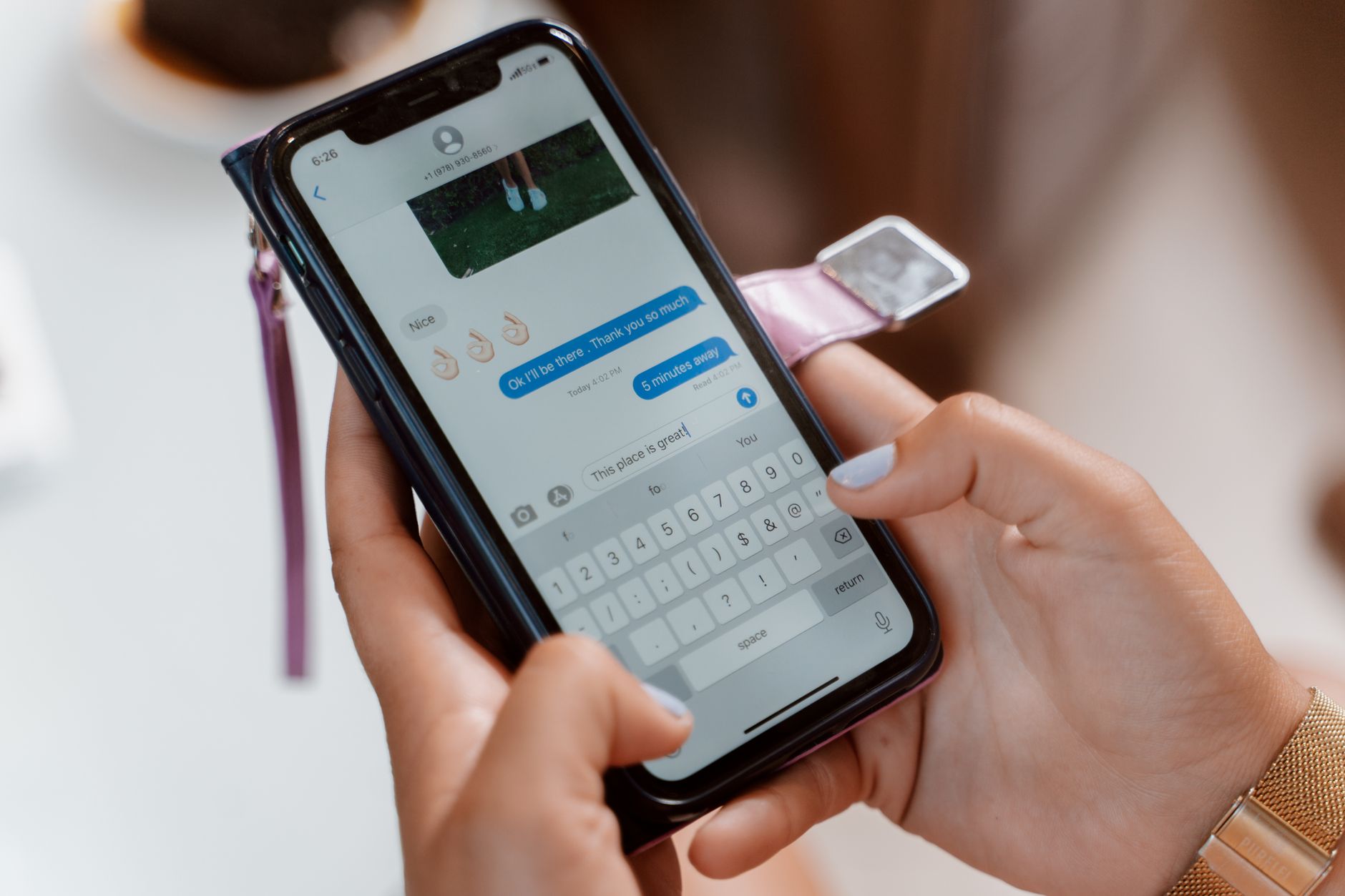
A phone screen can make it easy to forget that a real person reads every word. Many couples have a story about a text that started as a quick reaction and ended as a fight, a silent week, or a breakup. Some messages are hard to take back, even after an apology.
Knowing which texts you should never send to your partner can protect the relationship from unnecessary harm. This guide covers the messages that most often cause damage, why they hurt, and what to do instead.
Why Text Messages Are So Easy to Misread
Text removes the tools people use to show what they mean. There is no tone of voice, no facial expression, and no pause to show that a joke is a joke. Psychologists have studied this problem. In one well-known 2005 study by researchers Justin Kruger and colleagues, people who wrote emails with sarcasm or humor were far more confident their tone would come across than the readers actually were. This gap between what we intend and what the other person perceives is a major source of conflict in digital communication.
Relationship researcher John Gottman has also spent decades identifying patterns that predict trouble between couples. He describes criticism, contempt, defensiveness, and stonewalling as particularly damaging. Many of the messages below fall into these categories, and they become more harmful when delivered through a screen where nobody can soften them.
1. Insults and Name-Calling
This one is obvious, but it still happens. Calling your partner “stupid,” “pathetic,” or worse may feel satisfying in the moment, but it attacks their character rather than the issue at hand. Insults tend to stick. Your partner may forgive you, but they will likely remember the words long after the argument is over.
Better approach: Describe the specific behavior that upset you. Instead of “You’re so irresponsible,” try “I felt stressed when the bill was late, and I need us to figure out a plan.”
2. Ultimatums Sent in Anger
“If you don’t call me in ten minutes, it’s over.” Messages like this often come from fear or frustration, but they put your partner in an impossible position. They may feel forced to respond on your timeline or lose the relationship altogether. Even if you do not mean it, an ultimatum can change how your partner sees your commitment.
Better approach: If you need space or a conversation, say so calmly. “I’m feeling overwhelmed and need an hour to cool down. Can we talk tonight?” This gives both of you room without threatening the relationship.
3. Cryptic or Passive-Aggressive Messages
“Fine.” “Whatever.” “Must be nice to have free time.” Passive-aggressive texts are tempting because they let you express irritation without owning it. The problem is that they leave your partner guessing. They have to decode your mood, and often they end up feeling blamed for something they do not understand.
Gottman’s research identifies contempt as one of the strongest predictors of relationship breakdown, and sarcastic digs are a common form of it. Clear, direct language is almost always kinder and more effective.
Better approach: Name the feeling. “I’m disappointed we couldn’t spend the evening together” communicates far more than a sarcastic remark about their schedule.
4. Comparisons to Exes or Other People
Telling your partner that your ex “never forgot anniversaries” or that a friend’s boyfriend “actually plans things” sends a clear message: you are not measuring up. Even when the comparison is meant to motivate change, it usually produces resentment and insecurity.
If something important is missing in your relationship, talk about your own needs. “I’d really love it if we planned a date night once a week” is a request. “Mark’s girlfriend does this” is a judgment.
5. Accusations Based on Suspicion
“I know you were talking to someone else last night.” Accusations of cheating or lying, especially when made without solid evidence, can damage trust even if they turn out to be false. Constant checking and demanding explanations for every message can also create a pattern of surveillance that feels suffocating.
If you have a genuine concern, raise it face to face when possible, and focus on how you feel and what you need. “I’ve been feeling insecure lately, and I’d like us to talk about where we stand” opens a conversation. A string of accusatory texts closes one.
6. Messages Meant for Someone Else
This happens more often than people admit. A complaint about your partner’s habits lands in their inbox because you sent it to the wrong contact, or a vent about a family member goes into a group chat that includes your partner. Accidental messages can be awkward and hurtful, especially when they include personal details or mockery.
If you realize you sent something to the wrong person, a quick, honest correction is better than a silent hope they did not notice. Then consider whether the message reflects a conversation you should be having directly.
7. Sharing Private Information or Intimate Images
Forwarding a partner’s private messages, photos, or secrets to friends or on social media is a serious breach of trust. The same goes for sharing intimate images of your partner without their explicit consent. In many places, this can also have legal consequences. Even when a relationship ends, private material should stay private.
Likewise, sending unsolicited explicit images can make a partner feel pressured or uncomfortable. Intimacy works best when both people are clearly willing and comfortable.
8. Ending a Serious Relationship by Text
Breaking up with someone you have been seeing casually may be acceptable over text in some situations, but ending a long-term relationship, a marriage, or a relationship that involves shared responsibilities this way often feels disrespectful. Your partner deserves a conversation that allows them to ask questions, express emotion, and begin to process what is happening.
If distance or safety makes an in-person talk impossible, a phone or video call is usually better than a text. If you choose to write, keep it honest, clear, and kind, and avoid blaming or lengthy justifications.
9. Late-Night Texts After Drinking
Alcohol lowers inhibitions and often amplifies emotion. A message that seemed reasonable at 2 a.m. can read as cruel, needy, or confusing the next morning. Drunk texts to an ex or a current partner, full of accusations or declarations, are among the most common regrets people report.
A useful rule is to avoid important conversations when you have been drinking. If you feel the urge to send a heavy message, put the phone away and revisit it when you are sober and rested.
How to Check a Message Before You Hit Send
Before sending any emotional text, a few simple questions can prevent most mistakes:
- Would I say this face to face? If the answer is no, reconsider the wording.
- Am I trying to hurt them? If so, pause. Messages written to wound rarely resolve anything.
- Does this message invite a conversation or shut one down? Questions and invitations tend to help. Verdicts and ultimatums tend to escalate.
- Could this be read differently? Imagine your partner reading it in a bad mood. Would they understand what you meant?
- Can it wait? Many urgent-feeling messages become much easier to write after a few hours.
Waiting before responding, sometimes called the 24-hour rule, can be especially helpful during arguments. Taking time does not mean avoiding the issue. It means giving yourself the chance to say what you actually mean.
What to Do If You Already Sent the Wrong Text
Everyone makes mistakes. If you have already sent something hurtful, a sincere apology is the most important step. Acknowledge what you wrote without minimizing it. Avoid saying “I’m sorry you felt that way,” which shifts the blame to your partner’s reaction. Instead, try: “I’m sorry for what I said. It was unkind, and it didn’t reflect how I want to treat you.”
Then follow up with a conversation if the issue is serious. Explain what you were feeling and what you would like to do differently. Trust is rebuilt through consistent actions, not only words.
Texts are convenient, but they are a poor place for hard emotions. The messages most likely to cause lasting damage are insults, ultimatums, passive-aggressive remarks, comparisons, accusations, privacy breaches, and breakups delivered by screen. Slowing down, choosing clear and specific language, and moving difficult conversations to a voice or face-to-face setting can protect the connection you share.
A good relationship does not depend on never making a mistake. It depends on how both people repair the damage and keep choosing respect, even when frustration runs high. Before you send your next message, ask whether it will bring you closer to a solution or further from it. That single pause can make the difference.