

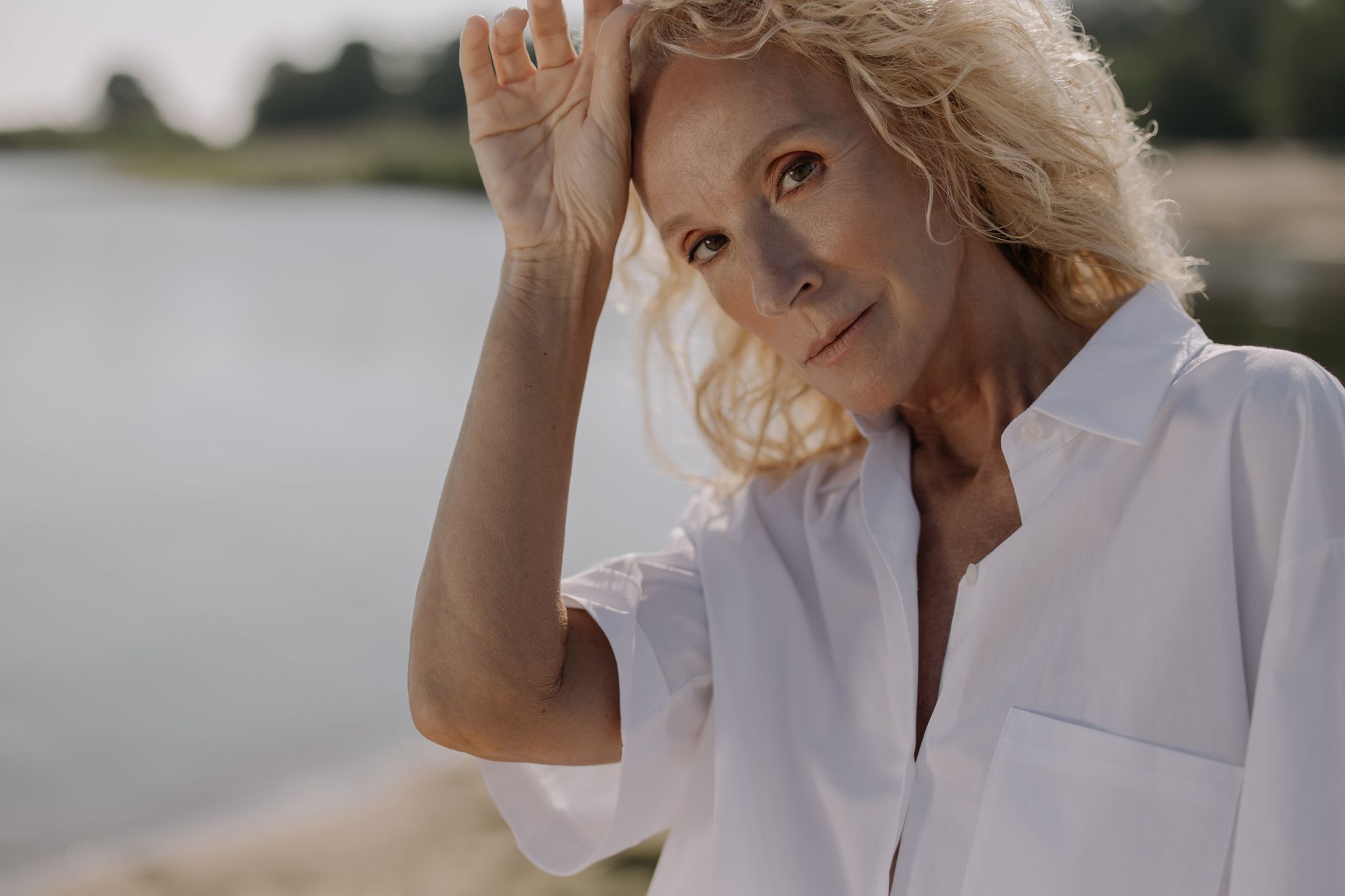
Aging is one of the few universal experiences shared by every living human being. Yet, despite its inevitability, society has built a labyrinth of misconceptions, half-truths, and outright falsehoods around the natural process of growing older. From the moment the first fine line appears around the eyes or the first gray hair surfaces, a cultural panic sets in, fueled by an industry eager to sell youth in a bottle.
The problem goes far beyond mere vanity. When we internalize inaccurate ideas about what it means to get older, we actively sabotage our own physical health, mental well-being, and longevity. Believing that decline is immediate, inevitable, and unmanageable can become a self-fulfilling prophecy. To live a vibrant, healthy life across every decade, it is time to stop aging myths that limit our potential and drain our joy.
Let’s examine the most pervasive misconceptions about growing older, look at what science actually says, and learn how to reframe our mindset for a healthier, more empowered future.
Myth 1: Aging Automatically Means a Life of Chronic Fatigue and Pain
One of the most damaging narratives in modern culture is the belief that getting older is synonymous with being in a constant state of decay. Society often portrays older adults as frail, perpetually exhausted, and plagued by severe aches and pains. This stereotype paints aging as a disease rather than a natural phase of life.
While it is true that biological changes occur over time—such as a gradual loss of muscle mass and changes in joint cartilage—severe pain and debilitating fatigue are not mandatory requirements of getting older. Often, these symptoms are the result of sedentary lifestyles, poor nutrition, underlying medical conditions, or chronic stress rather than chronological age itself.
Gerontological research consistently shows that older adults who maintain active lifestyles, eat nutrient-dense whole foods, and prioritize sleep can retain remarkable energy levels and physical comfort well into their later years. By accepting fatigue and pain as “just part of getting older,” people frequently ignore treatable medical issues or fail to make necessary lifestyle adjustments. Shifting this perspective allows individuals to seek proper medical care and maintain vitality instead of passively accepting discomfort.
Myth 2: Your Personality is Set in Stone, and You Can No Longer Change
Another common psychological trap is the idea that people lose their capacity for growth, adaptation, and personal reinvention past a certain age. You have likely heard the old adage, “You can’t teach an old dog new tricks.” This idiom has done immense psychological damage, convincing millions of people that their habits, flaws, and personality traits are permanently locked in place.
In reality, psychological studies on adult development reveal a fascinating truth: human beings continue to evolve emotionally and intellectually throughout their entire lives. While core personality traits tend to stabilize in adulthood, older adults often show increased emotional regulation, greater resilience in the face of adversity, and a heightened capacity for empathy.
Neuroplasticity—the brain’s ability to reorganize itself by forming new neural connections—does not stop at age thirty or fifty. Learning a new language, taking up a musical instrument, or mastering a new technology is entirely possible at any stage of life. Believing that you are too old to change creates a mental barrier that prevents you from pursuing new passions, acquiring valuable skills, and experiencing personal breakthroughs.
Myth 3: Exercise is Dangerous or Pointless for Older Adults
When it comes to physical activity, older generations have historically been told to “take it easy” and avoid strenuous exertion to protect their joints and hearts. Conversely, many younger people view exercise exclusively as a tool for weight loss or muscle building, leading them to believe that working out holds no value once physical aesthetics are no longer the primary goal.
Both viewpoints are dangerously misguided. Exercise is arguably even more critical as we age. Physical decline is often accelerated not by time, but by disuse. Sarcopenia, the age-related loss of muscle mass and function, can dramatically increase the risk of falls, loss of independence, and metabolic disorders. However, resistance training and cardiovascular exercise have been proven to reverse or significantly slow this process.
Studies show that strength training in older adults improves bone density, enhances balance, supports cognitive function, and reduces the risk of chronic illnesses such as heart disease and type 2 diabetes. Movement is medicine. Tailored, progressive exercise programs can transform physical health at any age, proving that it is never too late to build strength, improve mobility, and reclaim physical independence.
Myth 4: Memory Loss and Cognitive Decline Are Inevitable
Forgetfulness is frequently brushed off with self-deprecating jokes about “senior moments.” While mild changes in processing speed can occur over time, assuming that severe memory loss and cognitive decline are guaranteed outcomes of aging is both inaccurate and harmful.
Conditions like Alzheimer’s disease and other forms of dementia are pathological disease processes, not normal components of biological aging. While age is a primary risk factor for these conditions, a vast majority of older adults maintain sharp cognitive function, strong problem-solving skills, and vibrant memories throughout their lives.
Furthermore, cognitive health is heavily influenced by lifestyle factors. Cardiovascular health, diet, mental stimulation, social engagement, and quality sleep play monumental roles in maintaining brain health. Activities that challenge the brain—such as reading, writing, learning complex tasks, and maintaining rich social connections—stimulate neurogenesis and build cognitive reserve. When we view memory loss as inevitable, we miss the opportunity to proactively protect and nourish our brain health through targeted lifestyle habits.
Myth 5: Socializing Matters Less as You Grow Older
As people transition into retirement or watch friends and family members move away, a dangerous misconception often takes root: that older adults naturally need less social interaction and are content with prolonged isolation.
Human beings are fundamentally social creatures, and this biological need does not diminish with age. Chronic loneliness and social isolation pose severe health risks, with public health experts noting that long-term isolation can be as damaging to health as smoking 15 cigarettes a day. It is linked to higher rates of depression, cardiovascular disease, cognitive decline, and weakened immune systems.
Cultivating a strong support network, engaging in community activities, volunteering, and maintaining deep, meaningful relationships are essential pillars of healthy aging. Staying socially connected provides emotional validation, reduces stress, and creates a sense of purpose that keeps the mind and spirit resilient.
Myth 6: Aging Is All About Downhill Decline
Perhaps the most pervasive and destructive myth of all is the idea that aging is a purely negative trajectory—a relentless slide from peak performance into irrelevance and physical decay. This deficit-based model of aging ignores the rich psychological and emotional rewards that come with the passage of time.
Psychologists often point to the “paradox of aging,” which describes the phenomenon where older adults report higher levels of overall life satisfaction, happiness, and emotional well-being compared to younger adults, despite the physical challenges they may face. With age comes wisdom, emotional maturity, a clearer sense of personal identity, and the ability to let go of trivial worries that consume younger generations.
By framing aging exclusively through the lens of loss, society robs older individuals of their cultural value and discourages younger people from looking forward to the future. Shifting our perspective allows us to see aging not as a disease to be cured, but as a privilege to be earned and an ongoing journey of profound growth.
Embracing a Proactive Mindset for Every Decade
To truly transform how we experience aging, we must dismantle these harmful myths from our collective consciousness. Cultivating a positive mindset about growing older is not about chasing perpetual youth or denying the biological realities of time. Instead, it is about rejecting limitations that have no scientific basis and embracing a lifestyle that supports physical, mental, and emotional well-being.
When we stop viewing aging as a countdown to decline and start seeing it as an opportunity for continuous development, everything changes. We move more, learn more, connect more deeply, and live more fully. The next time you catch yourself thinking that you are too old to try something new, too fragile to exercise, or destined to lose your cognitive sharpness, remind yourself of the scientific truth: your potential for vitality does not expire with a calendar year.