

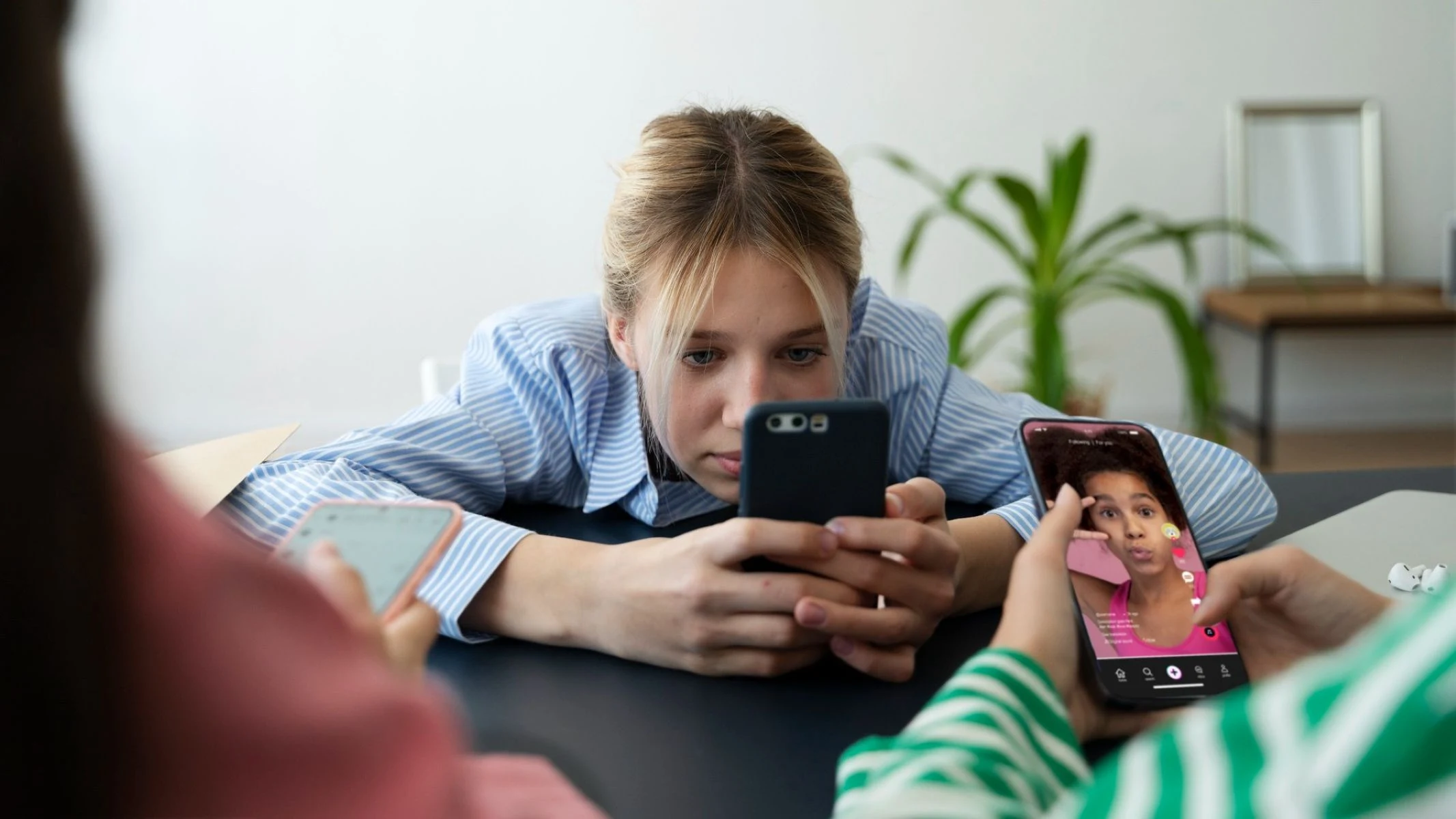
middleportal.com – In an era where digital connectivity is often equated with social relevance, a quiet revolution is taking place. More individuals are choosing to step back, hitting the “log out” button and leaving their profiles dormant for weeks, months, or even years. This shift toward social media inactivity isn’t necessarily about being anti-technology; rather, it is increasingly becoming a strategic choice for those prioritizing their mental well-being. By stepping away from the endless scroll, these “inactive” users are often finding a level of emotional groundedness that is difficult to maintain in a hyper-connected world.
Understanding Social Media Inactivity
Before exploring the benefits, it is helpful to define what we mean by social media inactivity. In a psychological context, this refers to a state where a person ceases the active consumption and production of digital content. They are no longer checking notifications, posting updates, or “lurking” on the feeds of others. This break allows the brain to recalibrate, moving away from the high-stimulation environment of the internet and back toward a more natural, steady baseline of emotional processing.
1. Reduced Constant Social Comparison Anxiety
One of the most immediate benefits of stepping away from digital platforms is the dramatic reduction in social comparison. Human beings are naturally inclined to measure their success against their peers, but social media creates an artificial environment where we compare our “behind-the-scenes” struggles with everyone else’s “highlight reels.”
When you embrace social media inactivity, that constant yardstick disappears. You no longer wake up to images of someone else’s tropical vacation or professional milestone before you’ve even had your first cup of coffee. This lack of comparison fosters a sense of contentment with one’s own life progress, allowing for a more stable and less reactive self-esteem.
2. Minimal Exposure to Digital Negativity
The digital landscape can frequently become a breeding ground for outrage, “doomscrolling,” and polarizing debates. For many, a quick check of the news feed can lead to a lingering sense of irritability or sadness that lasts throughout the day. Inactive users effectively bypass this emotional minefield.
By limiting exposure to digital negativity, these individuals protect their mental energy. They aren’t bombarded by the latest viral controversy or the aggressive comments sections that tend to highlight the worst of human interaction. This creates a psychological buffer, making it much easier to maintain a positive and peaceful outlook on the world at large.
3. Higher Focus on Present Moments
There is a distinct psychological difference between living an experience and documenting it. Those who are active on social media often feel an underlying pressure to capture the “perfect shot” or phrase a caption just right, which pulls them out of the moment.
In contrast, those who favor social media inactivity tend to experience life with much higher levels of mindfulness. Whether it is a quiet dinner with family or a walk through a park, their attention is fully engaged with their physical surroundings rather than a digital interface. This focus on the “here and now” is a cornerstone of emotional stability, as it grounds the individual in reality rather than digital abstraction.
4. Stronger Authentic Real-World Connections
While social media promises to connect us, it often offers “micro-connections” that lack depth. A “like” or a brief comment is a poor substitute for a heartfelt conversation. Inactive users often find that when they stop broadcasting their lives to a broad audience, they invest more deeply in their inner circle.
These real-world connections are built on shared experiences and undivided attention. Without the distraction of a buzzing phone, conversations become more nuanced and empathetic. This strengthens the support systems that are vital for emotional resilience, ensuring that when life gets difficult, the individual has tangible, reliable relationships to lean on.
5. Improved Sleep Quality and Regulation
The relationship between blue light, late-night scrolling, and sleep disruption is well-documented. However, the psychological impact of digital stimulation before bed is just as significant. An active user might see a post that sparks anxiety or FOMO (fear of missing out) right as they are trying to wind down, leading to a racing mind and poor rest.
By practicing social media inactivity, particularly in the evening hours, individuals allow their nervous systems to settle. The absence of high-energy digital input helps the brain transition naturally into sleep. Better sleep quality leads to improved mood regulation, sharper cognitive function, and a higher threshold for stress the following day.
6. Better Control Over Dopamine Spikes
Social media platforms are expertly designed to trigger dopamine releases through likes, shares, and infinite scrolling. This creates a reward loop that can make daily life feel dull by comparison. For active users, the “lows” between these digital “highs” can manifest as restlessness or a lack of motivation.
Choosing inactivity allows the brain’s reward system to reset. Inactive users tend to find more satisfaction in slow-burn activities, such as reading a book, gardening, or working on a long-term project. By removing the instant gratification of the digital world, they achieve a more balanced emotional state that isn’t dependent on the next notification.
7. Enhanced Personal Privacy and Security
There is a quiet, psychological comfort that comes with knowing your private life remains truly private. The pressure to perform for an audience can be exhausting, and the vulnerability of having one’s life archived for public consumption often creates a subtle, underlying layer of stress.
Those who remain inactive on social media enjoy a greater sense of personal security. They don’t have to worry about how a post might be misinterpreted or who is viewing their personal data. This sense of “owning” one’s own story provides a powerful feeling of autonomy and peace, which are essential components of long-term emotional stability.
A Reflective Path to Balance
Embracing social media inactivity isn’t about disappearing from the world; it’s about reappearing in your own life. While these platforms can be useful tools for communication, the psychological benefits of taking a step back are profound. From reclaiming your time to stabilizing your internal reward systems, the “quiet” life offers a wealth of emotional dividends.
Finding balance is a personal journey, and for many, that journey begins with the realization that we don’t need to be “online” to be happy. By prioritizing our mental health over digital presence, we open the door to a more authentic, peaceful, and emotionally stable existence.