

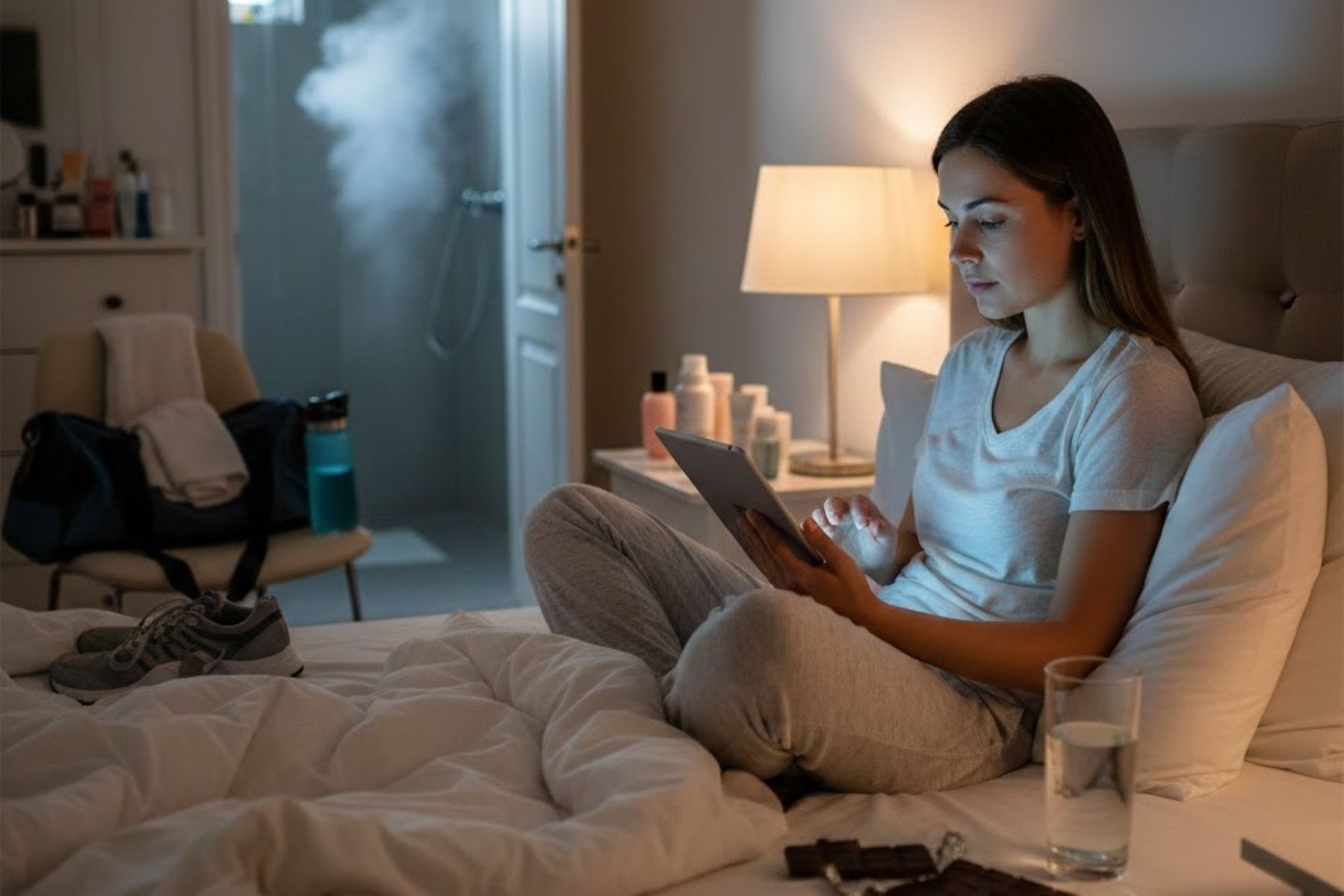
We often think of sleep as a simple switch we flip at the end of a long day. In reality, quality rest is the result of a delicate internal orchestra governed by our circadian rhythm. When we struggle to feel refreshed, we tend to look for obvious culprits like caffeine or loud noises. However, many of us are inadvertently making sleep hygiene mistakes under the guise of self-care. It turns out that some of our most disciplined health habits might actually be the very things keeping us tossing and turning.
Understanding the Concept of Sleep Hygiene
To find a solution, we first need to understand what sleep hygiene actually entails. Broadly speaking, sleep hygiene refers to the environment and behavioral patterns that precede our rest. It is a framework of habits designed to signal to the brain that it is time to wind down. When we talk about sleep hygiene mistakes, we aren’t just talking about staying up too late. We are referring to any activity that disrupts the natural production of melatonin or artificially spikes our core body temperature, making it difficult for the brain to transition into deep, restorative sleep cycles.
1. Hydrating Too Heavily Before Tucking In
Staying hydrated is a cornerstone of physical health, and many of us carry a water bottle as a constant companion. While drinking enough water throughout the day supports everything from skin health to metabolic function, drinking a large volume right before bed can be counterproductive. This habit often leads to nocturia, the frequent need to get up during the night to use the bathroom.
Every time you wake up and walk to the bathroom, you are fragmenting your sleep architecture. These interruptions prevent you from staying in the deeper stages of REM and slow-wave sleep for long enough periods. To stay hydrated without the midnight wake-up calls, try to front-load your water intake during the morning and afternoon, then simply sip small amounts during the evening.
2. Pushing Through Intense Evening Workouts
The commitment to a daily exercise routine is admirable, and for many busy professionals, the evening is the only time available to hit the gym. However, high-intensity interval training or heavy weightlifting late at night can send mixed signals to your nervous system. Exercise releases cortisol and adrenaline, hormones that are designed to keep us alert and energized rather than relaxed.
Furthermore, vigorous activity raises your core body temperature significantly. Your body naturally needs to cool down by a degree or two to initiate sleep. If your heart is still racing and your temperature is elevated from a 9:00 PM run, you may find yourself lying awake for hours. If you must exercise at night, consider switching to low-impact movements like yoga or light stretching that encourage a parasympathetic response.
3. Lingering in Very Hot Late-Night Showers
There is a common belief that a steaming hot shower is the ultimate way to relax before bed. While the psychological effect is certainly soothing, the physiological impact can be tricky. As mentioned, the body needs to drop its internal temperature to fall asleep. While a warm bath can eventually help by drawing heat to the surface of the skin and then releasing it, a shower that is too hot for too long can overheat your core.
Instead of a scalding soak, aim for a lukewarm or comfortably warm temperature. The goal is to trigger a “vasodilation” effect, where your blood vessels expand and help radiate heat away from your body once you step out into the cooler air of your bedroom. This rapid cooling process is a biological trigger that tells your brain it is time to sleep.
4. Attempting to Catch Up on Weekend Sleep
The “sleep debt” myth is one of the most persistent sleep hygiene mistakes in modern society. Many of us spend the workweek deprived of rest, promising ourselves that we will make up for it by sleeping until noon on Saturday and Sunday. Unfortunately, your circadian rhythm does not operate like a bank account. You cannot simply deposit extra hours on the weekend to erase the deficit from Tuesday.
When you drastically shift your wake-up time on the weekends, you experience what experts call “social jetlag.” This confuses your internal clock, making it much harder to fall asleep on Sunday night and leaving you groggy on Monday morning. Consistency is the gold standard for sleep; try to keep your wake-up time within an hour of the same time every day, even on your days off.
5. Reading E-Books on Backlit Screens
Switching from a television screen to a tablet or e-reader feels like a step in the right direction for a “digital detox.” However, if your device uses a backlit LED screen, you are still exposing your eyes to significant amounts of blue light. This specific wavelength of light suppresses melatonin production more effectively than almost any other color, tricking your brain into thinking it is still daytime.
Even if the content you are reading is educational or calming, the medium itself is stimulating your brain’s “awake” centers. If you love to read before bed, the most sleep-friendly option is a physical paper book with a soft, warm-toned lamp. If you must use an e-reader, ensure it uses e-ink technology without a blue backlight, or at the very least, use a heavy “night shift” filter.
6. Following Complex, Multi-Step Skincare Routines
The rise of elaborate skincare rituals has turned the bathroom vanity into a place of sanctuary. While taking care of your skin is wonderful, a highly stimulating 10-step routine right before bed can sometimes be too much. The bright lights of the bathroom mirror, combined with the sensory input of cold creams, splashing water, and various scents, can act as a “wake-up call” for your senses.
If your routine involves active ingredients that require precision or physical massage techniques, your brain is staying in an active, task-oriented mode. To prevent this from becoming a sleep hurdle, try moving your skincare routine to an hour or two before you actually intend to sleep. This allows you to pamper yourself without the blue light of the bathroom vanity interfering with your immediate transition to bed.
7. Snacking on Dark Chocolate in the Evening
Dark chocolate is often touted as a healthy alternative to sugary desserts because of its antioxidants and lower sugar content. While this is true for your waistline, it might not be true for your sleep. Dark chocolate contains small amounts of caffeine and a compound called theobromine, both of which are stimulants that can increase your heart rate and keep you from falling into a deep slumber.
The darker the chocolate, the higher the stimulant content. If you are particularly sensitive to caffeine, even a small square in the evening can linger in your system for hours. If you find yourself craving a late-night snack, reaching for something like a banana or a handful of walnuts—which contain natural sleep-supporting compounds like magnesium and tryptophan—is a much safer bet for a restful night.
Correcting these common sleep hygiene mistakes isn’t about being perfect; it’s about being mindful of how our choices impact our body’s internal clock. We often perform these habits because we care about our health, but true wellness includes the quality of our recovery. By making small, thoughtful adjustments—like dimming the lights earlier or hydrating sooner—we can work with our biology instead of against it. When we respect our circadian rhythm, we don’t just sleep better; we show up more fully for our lives the following day.