
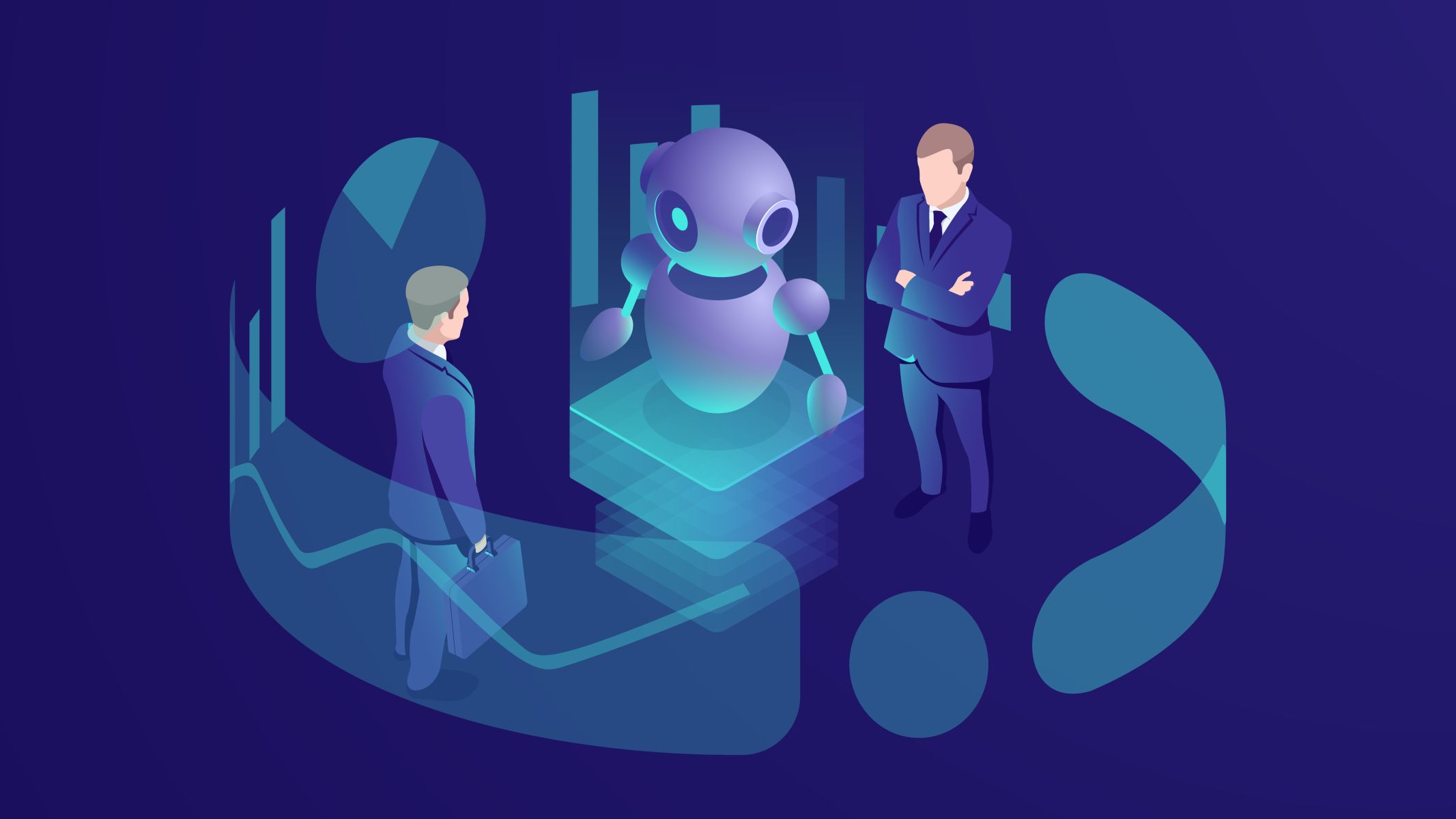
Middleportal.com – The traditional image of a fresh-faced graduate sitting beside a seasoned veteran to “learn the ropes” is rapidly fading into corporate history. In its place, a new phenomenon is emerging: mentorless AI generation. This shift represents a fundamental change in how young professionals enter the workforce, replacing human guidance with sophisticated algorithms. While the efficiency gains are undeniable, this transition raises profound questions about the future of professional development and the preservation of institutional wisdom in an increasingly automated world.
Understanding the Concept of Mentorless AI Generation
Before exploring the intricacies of this shift, it is essential to define what we mean by mentorless AI generation. This term describes a workforce environment where entry-level employees receive their training, task management, and performance evaluations primarily through artificial intelligence systems rather than human supervisors. Instead of a manager providing nuanced feedback, an algorithm analyzes output and suggests improvements. It is a system built on data points rather than personal relationships, prioritizing objective metrics over the subjective mentorship that has defined careers for centuries.
The Rise of Automated Onboarding Tutorials
The journey for many new hires now begins with a screen rather than a handshake. Automated onboarding tutorials have become the standard gateway into the corporate world, offering a streamlined and consistent introduction to company policies and software. These systems ensure that every employee receives the exact same information, eliminating the variability that comes with human-led training. While efficient, this approach often lacks the cultural nuance that a human mentor provides, such as understanding the unwritten rules of the office or the subtle dynamics of team interactions.
Navigating AI-Driven Task Assignments
Once onboarded, the daily workflow for the mentorless generation is often dictated by AI-driven task assignments. Sophisticated project management tools now analyze an employee’s skills, speed, and current workload to distribute tasks with mathematical precision. This removes the potential for human bias in work distribution, ensuring that the right person gets the right job. However, it also removes the “stretch assignment”—those moments when a human mentor pushes a junior staffer to try something difficult because they see potential that an algorithm might overlook based on past data alone.
Real-Time Chatbot Performance Feedback
Feedback, once a scheduled and often stressful face-to-face meeting, is now being delivered via real-time chatbot interactions. These AI interfaces provide instant critiques on everything from coding syntax to the tone of an email. The benefit is immediate correction, allowing employees to pivot and improve in the moment rather than waiting for a quarterly review. While these bots are excellent at identifying technical errors, they often struggle to provide the emotional encouragement or the “why” behind certain professional choices that a human mentor naturally communicates.
Utilizing Virtual Skill Gap Analysis
As employees progress, AI continues to play a pivotal role through virtual skill gap analysis. By comparing an individual’s performance against industry benchmarks and company goals, these systems can pinpoint exactly where a worker needs improvement. This data-driven approach takes the guesswork out of professional development, offering a clear map of what needs to be learned next. It is a highly effective way to ensure a workforce remains competitive, though it often focuses heavily on hard skills while sometimes neglecting the “soft” interpersonal skills that are harder for sensors to track.
The Shift Toward Algorithmic Career Pathing
The trajectory of a career is no longer just about who you know, but what the data says about you. Algorithmic career pathing uses historical data and predictive modeling to suggest the most logical next steps for an employee. This system can identify non-traditional paths that a human manager might not consider, opening doors for diverse talent. By removing the “old boys’ club” mentality, AI can create a more meritocratic environment, though it requires employees to trust that the algorithm understands their long-term aspirations as well as their spreadsheets do.
Learning Through Personalized Modules
Education within the modern office has moved away from the classroom and into personalized learning modules. These AI-powered platforms adapt to an individual’s learning speed and style, offering content that is specifically relevant to their current role and future goals. This ensures that training is never boring or redundant. However, the solitary nature of digital learning means that the collaborative, social aspect of learning from a mentor—where stories and anecdotes provide context to the facts—is often lost in the process.
Data-Based Promotion Decisions
When it comes time for advancement, data-based promotion decisions are becoming the norm. By aggregating performance metrics, peer reviews, and productivity data, AI provides a comprehensive “scorecard” for candidates. This objectivity helps reduce the impact of favoritism or office politics, ensuring that promotions are grounded in tangible contributions. While this brings a sense of fairness to the process, it can sometimes feel cold to an employee who has put in extra emotional labor or “above and beyond” effort that isn’t easily quantified in a database.
The Power of Remote Collaboration Tools
The mentorless generation is largely a remote one, empowered by advanced collaboration tools. These platforms simulate the office environment, allowing for seamless communication across time zones. Features like automated transcription and meeting summaries ensure that no detail is lost, even without a senior staffer taking notes or guiding the conversation. These tools have democratized information, making it accessible to everyone at once, though they still struggle to replicate the spontaneous “water cooler” moments where so much informal mentoring used to happen.
Balancing Productivity with Predictive Workloads
To prevent burnout in a fast-paced digital environment, companies are turning to predictive workload balancing. AI monitors activity levels and can predict when a team is reaching its limit, suggesting breaks or redistributing tasks before a crisis occurs. This proactive approach to mental health and productivity is a significant upgrade over the traditional “sink or swim” mentality. It shows a level of systemic care for the employee, even if that care is being managed by a processor rather than a person.
Building Connections via Synthetic Team Building
Fostering a sense of belonging in a digital-first world has led to the rise of synthetic team building. AI-driven platforms organize virtual social events, “coffee chats” between random colleagues, and gamified challenges designed to build rapport. While these activities can feel a bit engineered, they are often the only way for remote workers to connect on a human level. They provide a structured way to build a professional network in the absence of a mentor who would normally introduce a newcomer to their circle.
Resolving Issues with Automated Conflict Resolution
Even in a digital world, friction is inevitable, leading to the development of automated conflict resolution tools. These systems can analyze communication patterns to identify rising tensions or provide neutral, AI-guided mediation frameworks to help parties reach an agreement. By removing the heat of the moment and providing a neutral platform, these tools can resolve minor disputes efficiently. However, complex human emotions often require the empathy and life experience of a seasoned leader to truly heal a professional rift.
Encouragement Through Digital Recognition Systems
Finally, the need for validation is being met by digital recognition systems. These platforms allow for “micro-praise”—instant badges, points, or public shout-outs for a job well done. In the absence of a mentor’s pat on the back, these digital rewards provide a necessary morale boost. They create a culture of appreciation that is visible to the entire organization, ensuring that hard work doesn’t go unnoticed in the vast digital landscape of the modern corporation.
The rise of the mentorless AI generation is neither inherently good nor bad; it is simply a significant evolution in how we work. We gain unprecedented objectivity, efficiency, and scalability, but we risk losing the “soul” of professional apprenticeship—the wisdom, the stories, and the human connection that turn a job into a career. As we move forward, the challenge for both companies and individuals will be to find a balance: leveraging the incredible power of AI to manage the “what” of our work, while finding new ways to preserve the human “why” that only a mentor can truly provide.