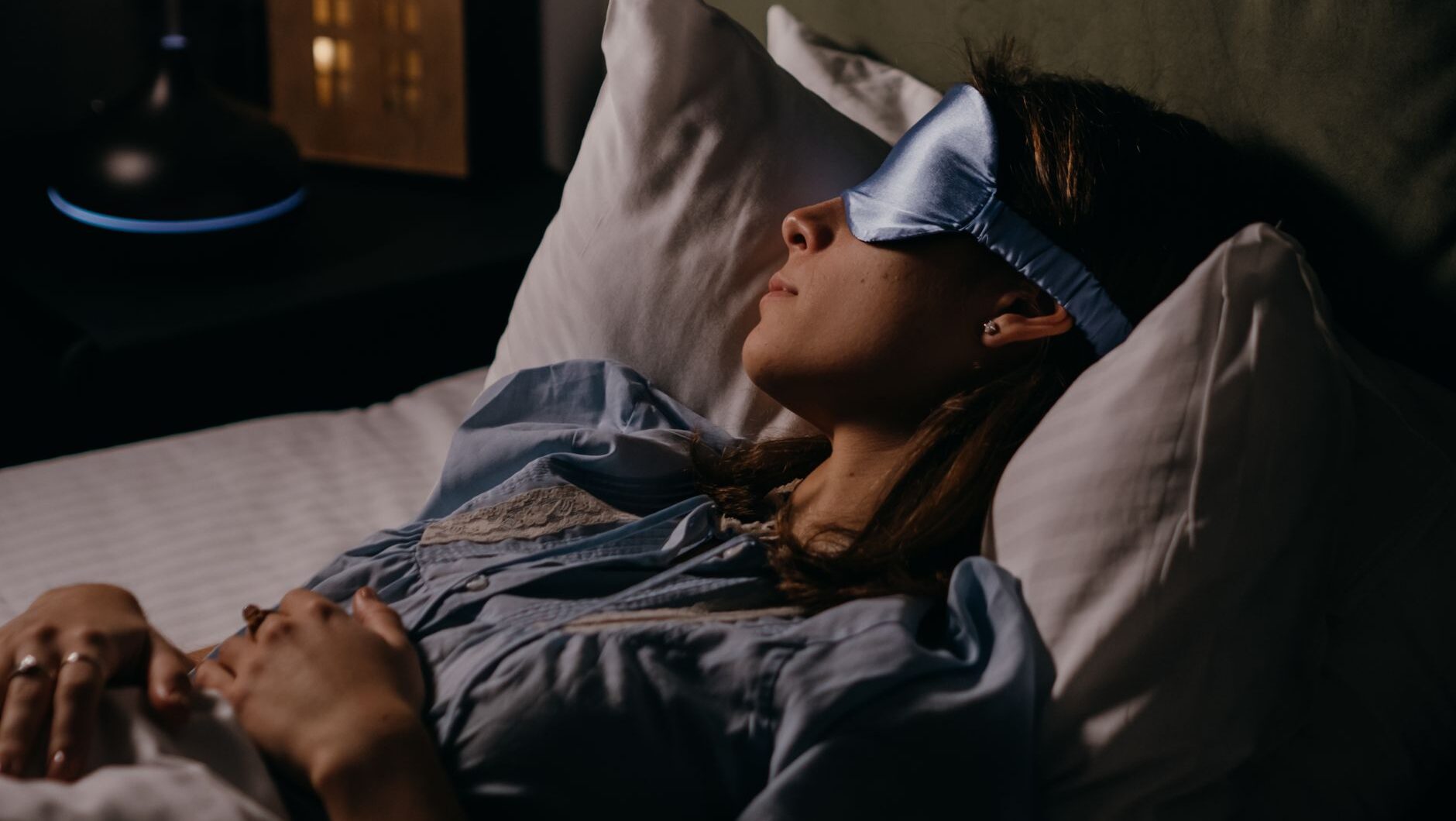
For many Indonesian households and families across the world, a fan is the only thing that makes a hot night bearable. Whether it is a ceiling fan turning slowly overhead or a pedestal fan humming in the corner, the gentle breeze feels like relief after a long day. But a common question keeps coming up in health forums and family group chats: is sleeping with a fan on bad for your health?
The short answer is that a fan itself is not harmful for most people. The real picture is more nuanced. A fan can improve comfort and even offer certain benefits, but it can also cause problems like dry nasal passages, allergy flare-ups, and sleep disruption if it is used the wrong way. Understanding those trade-offs helps you sleep better without waking up with a stuffy nose or a scratchy throat.
Why People Reach for a Fan at Night
Sleep depends heavily on temperature. The body naturally cools down in the evening to prepare for rest, and a bedroom that feels too warm can make it harder to fall asleep and stay asleep. Sleep researchers and organizations such as the National Sleep Foundation generally recommend a bedroom temperature of around 18 to 20 degrees Celsius for most adults, although personal preference varies.
A fan works differently from an air conditioner. It does not actually lower the room temperature. Instead, it speeds up the evaporation of sweat on the skin, which creates a cooling sensation. This is why a fan can feel refreshing even when the air in the room is still warm. For people living in tropical climates, where nights can remain hot and humid, this effect is often the main reason a fan becomes a bedtime necessity.
There is also the matter of sound. The steady hum of a fan works like white noise, masking sudden noises from traffic, neighbors, or a restless partner. Some people find this background noise helps them relax and drift off more easily.
The Potential Benefits of Sleeping With a Fan
Before discussing the risks, it is worth noting that fans offer genuine advantages. Improved airflow can make a room feel fresher, especially in a space with poor ventilation. Moving air can also reduce the stuffiness that builds up in a closed bedroom overnight.
Research on infant sleep has drawn particular attention to this. Several studies have found an association between fan use in the bedroom and a lower risk of sudden infant death syndrome (SIDS). Researchers believe the moving air may help reduce the risk of babies rebreathing their own exhaled carbon dioxide, and it may also help keep the baby’s temperature more stable. It is important to note that these studies show an association rather than proof of cause, and that fans are never a substitute for safe sleep practices such as placing infants on their backs on a firm, flat surface without soft bedding. Parents should always follow current guidance from their pediatrician or the American Academy of Pediatrics.
For adults, the main benefit is comfort. A cooler, more comfortable body is more likely to move through the deeper stages of sleep without repeated waking.
Dry Air and Sinus Discomfort
This is where many people run into trouble. A fan moves air across the skin and face, and that air can also pull moisture away from the mucous membranes in the nose, throat, and eyes. Over several hours, this can leave the nasal passages feeling dry, scratchy, or crusty.
When the lining of the sinuses dries out, it becomes less effective at trapping dust, germs, and irritants. The body’s natural defense system relies on a thin layer of mucus that moves particles toward the throat to be swallowed or cleared. If that layer thickens or dries, you may notice symptoms such as:
- A dry or sore throat when you wake up
- Nasal stuffiness or a feeling of blockage
- Frequent sneezing or a tickle in the nose
- Headaches or sinus pressure in the morning
- Dry, itchy, or irritated eyes
People who already have sinusitis, chronic rhinitis, or a deviated septum may find these symptoms more noticeable. Searches for “dry sinus sleeping” often come from people who wake up with this exact combination of symptoms and want to know whether their fan is to blame. In many cases, it is part of the cause, especially when the fan blows directly at the face for long periods in an already dry room.
Air conditioning can make the problem worse. When a room is cooled and dehumidified, the air holds less moisture, and a fan can amplify that dryness. Using a humidifier, keeping a glass of water nearby, and adjusting the fan so it does not point straight at the face can all help.
Fan Airflow and Sleep Quality
Airflow is one of the most important factors in whether a fan helps or hurts your sleep. Gentle, indirect airflow is generally comfortable for most people. Strong, direct airflow aimed at the face, neck, or chest can cause a different set of problems.
Some sleepers wake up with a stiff neck or sore shoulders after sleeping in front of a fan that blows across the body all night. Constant air moving over the skin can also cause the body to feel chilled, particularly for people who are sensitive to temperature or who sleep lightly. The result is a sleep that feels restless even if you technically spent eight hours in bed.
A better approach is to position the fan so that it circulates air around the room rather than targeting one spot. Using a lower speed, setting an oscillating function, or placing the fan across the room can create a comfortable breeze without the harsh blast that disrupts rest. Some people also find that a ceiling fan on a low setting works better than a pedestal fan because it moves air more evenly.
Sleep quality also depends on the noise level. A fan that rattles, squeaks, or has an uneven motor can become irritating over time. Keeping the fan clean and well maintained helps reduce these disruptions.
Fans, Dust, and Allergies
For people with allergies, the question of sleeping with a fan on is more complicated. A fan does not create dust, but it can stir up particles that have settled on surfaces, carrying dust mites, pet dander, pollen, and mold spores through the air. Those particles may then be inhaled while you sleep.
Dust collects quickly on fan blades, grills, and motor housings. When the fan starts, that dust is blown outward, sometimes directly toward the bed. Over time, this can contribute to sneezing, itchy eyes, a runny nose, and nighttime coughing, particularly for people with asthma or allergic rhinitis.
The solution is usually simple. Clean the fan regularly, wiping blades and grills at least every couple of weeks during periods of heavy use. Vacuum the area around the fan and keep bedding washed in hot water. If you have allergies, consider using a filter-equipped air purifier alongside the fan, and keep pets out of the bedroom if they trigger symptoms.
The phrase “sleeping fan allergies” is often searched by people who notice a pattern: symptoms appear only when the fan is running. This suggests the fan is spreading an irritant rather than causing an allergy directly. Identifying the trigger, whether dust, pollen, or pet hair, is the first step to relief. If symptoms persist despite these steps, an allergist can help determine the cause through testing.
Safety Considerations You Should Not Ignore
Beyond comfort and health, fan safety deserves attention. Electrical appliances left running all night carry some risk, especially older units or those with damaged cords. Overheating, loose plugs, and worn wiring can lead to fires, which is why experts recommend inspecting fans regularly and avoiding running them under cords or on carpets that trap heat.
Choose a fan with a stable base and secure guard. Children and pets can be injured by fan blades or by a fan that tips over. For ceiling fans, make sure they are properly installed and balanced, since a wobbling fan can loosen over time.
It is also wise to turn off fans that are not designed for continuous operation, and to follow the manufacturer’s instructions regarding use duration. If a fan starts to smell like burning plastic, produces sparks, or makes unusual noises, unplug it immediately and have it checked or replaced.
So, Is It Bad or Not?
For most healthy adults, sleeping with a fan on is not inherently bad. The fan can help you stay cool, mask background noise, and improve comfort on hot nights. Problems usually arise from how the fan is used, not from the fan itself.
The main risks include dry nasal passages and throat irritation, allergy symptoms from circulating dust, stiff muscles from direct airflow, and, in rare cases, electrical hazards. These issues are largely preventable with a few simple habits.
Here are practical ways to sleep comfortably with a fan:
- Avoid pointing the fan directly at your face or nose for long periods.
- Use a low or medium setting rather than the highest speed.
- Keep the room humid enough by using a humidifier if the air feels dry.
- Drink water before bed and keep a glass nearby.
- Clean fan blades, grills, and surrounding areas regularly.
- Inspect cords and plugs, and never run a damaged fan.
- Consider an oscillating mode to spread airflow evenly.
If you notice persistent symptoms such as chronic sinus pain, frequent nosebleeds, wheezing, or breathing difficulties, speak with a doctor. These symptoms may point to an underlying condition that needs proper treatment rather than a change in bedroom habits.
Finding the Right Balance for Better Sleep
A fan can be a valuable ally for a good night’s rest, especially in hot climates. The key is balance. Enjoy the cooling breeze and the soothing sound, but stay aware of how your body responds. If you wake up with a dry throat, a blocked nose, or a sore neck, that is a signal to adjust your setup rather than simply accept discomfort as normal.
Small changes often make a big difference. Moving the fan a few feet,