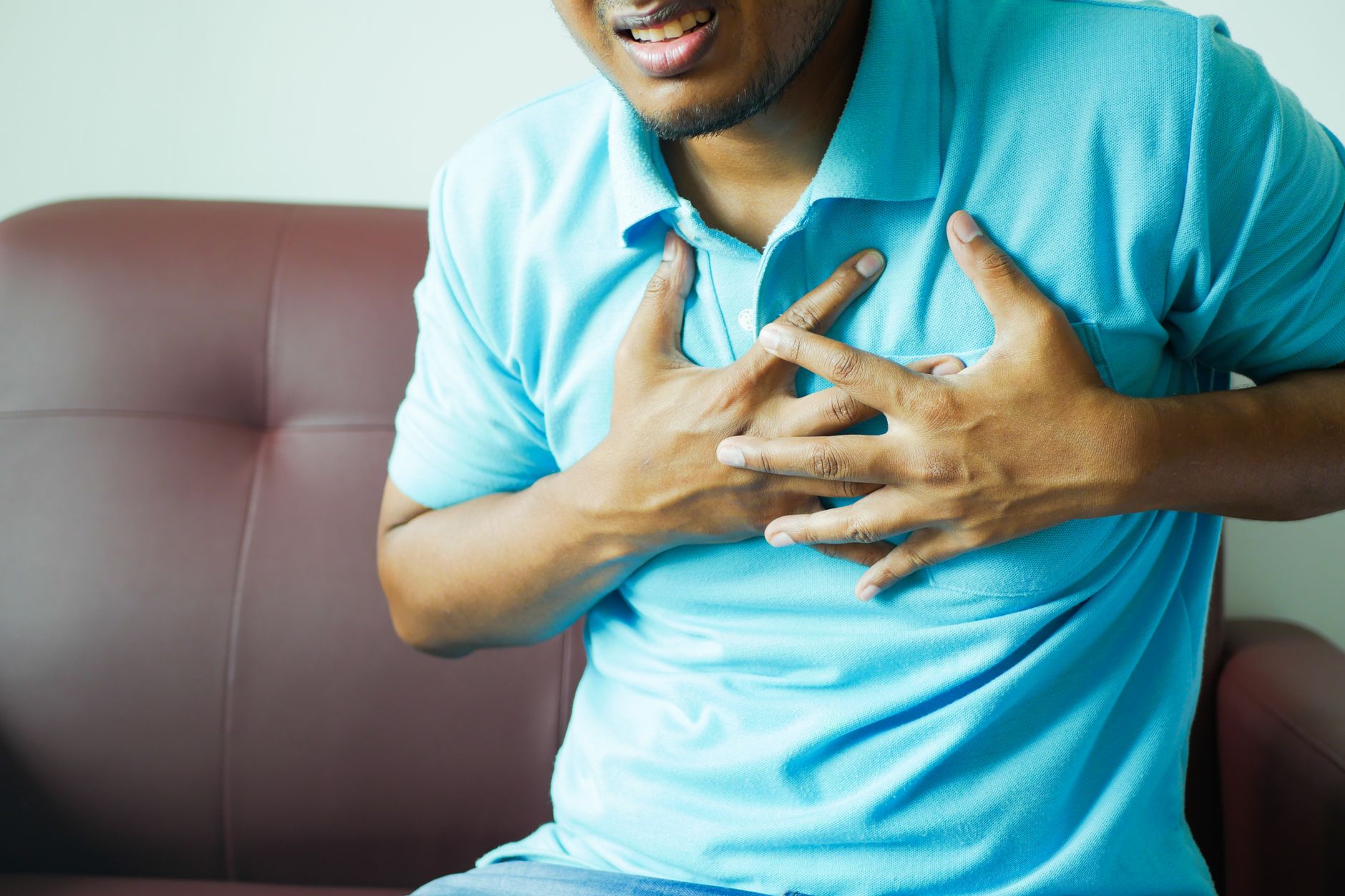
When a sharp ache radiates through the left side of your jaw as you climb a flight of stairs, the first instinct for most people is to book a dental appointment. After all, the jaw is where teeth live, and pain in that region feels like a problem for a dentist. But there is a scenario that deserves far more attention than it usually gets: left jaw pain that appears during physical exertion, fades with rest, and occurs in someone whose teeth and gums are perfectly healthy. In that specific pattern, the jaw may not be the problem at all. It could be the heart.
This is one of the most overlooked warning signs in medicine, and it sits in a blind spot that neither dentists nor patients are trained to look at closely enough. Understanding why the jaw can betray the heart, and how to tell the difference between dental pain and a cardiac red flag, is information that could genuinely save a life.
Why Jaw Pain Is Not Always a Dental Problem
The human body does not wire its pain signals with the precision of a labeled switchboard. When something goes wrong deep inside an organ, the brain can misattribute the source of the pain to a different area that shares the same nerve pathways. Doctors call this referred pain, and it is one of the most important concepts in understanding atypical cardiac symptoms.
The heart and the jaw share nerve connections through the cervical spine and the vagus nerve. When the heart muscle is starved of oxygen, the distress signals it sends can travel along these shared pathways and register in the brain as discomfort in the jaw, neck, throat, or teeth. The result is a sensation that feels dental but originates in the chest.
This is why a person can have a completely clean dental X-ray, healthy gums, and no cavities, yet still experience jaw pain that has nothing to do with their mouth. The teeth are innocent bystanders in a signal that is actually coming from the heart.
The Classic Cardiac Pattern That Dentists Cannot See
The key to recognizing cardiac jaw pain is not the pain itself but its pattern. Cardiac-related jaw discomfort tends to follow a predictable script that dental problems rarely do.
It typically appears during physical exertion, such as walking up stairs, climbing a hill, or carrying heavy groceries, and it eases when you stop and rest. This is called exertional pain, and it is a hallmark of reduced blood flow to the heart muscle, known medically as angina. The pain may be dull, tight, pressure-like, or even a vague ache rather than a sharp stab. It may radiate to the left shoulder, arm, neck, or back, and it is often accompanied by shortness of breath, sweating, or a sense of heaviness in the chest even when the chest discomfort is mild or absent.
Dental pain behaves differently. It is usually provoked by hot, cold, or sweet foods, by chewing, or by brushing, and it tends to be localized to a specific tooth or area. It does not reliably appear only during exertion and disappear only with rest. A dentist examining healthy teeth will find nothing, because there is nothing in the mouth to find.
Why This Warning Sign Gets Missed So Often
The reason cardiac jaw pain slips through the cracks is structural. Dentists are trained to examine teeth, gums, and the temporomandibular joint, not coronary arteries. When a patient presents with jaw pain and a pristine dental exam, the appointment often ends with reassurance or a referral for a bite guard. The cardiac possibility is rarely raised, because it falls outside the dentist’s scope of practice and outside the patient’s expectations.
Meanwhile, patients themselves rarely connect jaw pain to the heart. Public awareness campaigns have drilled the classic image of a heart attack into collective memory: a man clutching his chest and collapsing. That image is real, but it is incomplete. A significant proportion of cardiac events present with atypical symptoms, and jaw pain is among the most frequently missed.
This blind spot is particularly dangerous for women, older adults, and people with diabetes, all of whom are more likely to experience atypical cardiac symptoms rather than the textbook chest-crushing pain. For these groups, jaw pain during exertion may be the only signal the body offers before a more serious event.
Left Versus Right: Does the Side Matter?
There is a persistent belief that left jaw pain is more strongly linked to the heart than right jaw pain, and there is a physiological reason for the association. The heart sits slightly left of center in the chest, and cardiac pain commonly radiates to the left arm, left shoulder, and left side of the neck and jaw. That said, right-sided or central jaw pain can also occur, and the side alone should never be used to rule the heart in or out.
What matters far more than the side is the context. Pain that is brought on by exertion and relieved by rest, regardless of which side of the jaw it affects, deserves cardiac evaluation. Pain that is constant, related to chewing, or sensitive to temperature is more likely dental. The pattern, not the location, is the diagnostic clue.
Other Atypical Cardiac Symptoms to Watch For
Jaw pain rarely travels alone. When it is cardiac in origin, it is often accompanied by other subtle signals that together paint a clearer picture. Recognizing these companion symptoms can help distinguish a heart-related episode from a dental one.
Watch for shortness of breath that seems out of proportion to the activity, unusual fatigue, cold sweats, nausea, lightheadedness, or a feeling of fullness or pressure in the chest that may be mild enough to dismiss. Discomfort in the left arm, shoulder, or upper back alongside the jaw pain strengthens the cardiac suspicion. In some people, especially women, unexplained fatigue and breathlessness in the days before a cardiac event are reported more often than dramatic chest pain.
If jaw pain during stairs is accompanied by any of these signs, the situation should be treated as a potential medical emergency rather than a dental inconvenience.
When to Seek Emergency Care Immediately
Knowing when to act is the difference between a manageable situation and a catastrophic one. Call emergency services immediately if jaw pain occurs at rest, lasts more than a few minutes, is accompanied by chest pressure, shortness of breath, sweating, nausea, or fainting, or if it radiates to the arm, neck, or back. Do not drive yourself to the hospital, and do not wait to see whether it passes.
If the pain reliably appears with exertion and resolves with rest, that is a reason to see a doctor urgently, not a reason to relax. Exertional symptoms can be a warning that precedes a heart attack, and prompt evaluation allows doctors to assess coronary risk and intervene before a crisis.
What Happens at the Doctor’s Office
When a patient reports exertional jaw pain with healthy teeth, a doctor will typically start with a thorough history, focusing on the triggers, duration, and relief of the pain, along with cardiovascular risk factors such as blood pressure, cholesterol, diabetes, smoking, and family history. An electrocardiogram and blood tests are common first steps, and depending on the findings, a stress test or other cardiac imaging may be recommended.
The goal is not to assume the worst but to rule out the most dangerous possibility first. If the heart is cleared, the conversation can safely return to dental and musculoskeletal causes. If it is not, early detection can be lifesaving.
The Takeaway
Healthy teeth do not rule out a heart problem, and a clean dental exam does not explain jaw pain that follows a cardiac pattern. Left jaw pain that appears on the stairs and disappears at rest, especially when accompanied by breathlessness, sweating, or fatigue, is a red flag that deserves a cardiac evaluation rather than a dental one. The mouth may be perfectly fine, but the heart may be sending a message through the only channel it has. Listening to that message, and knowing when to act on it, is a skill worth having.