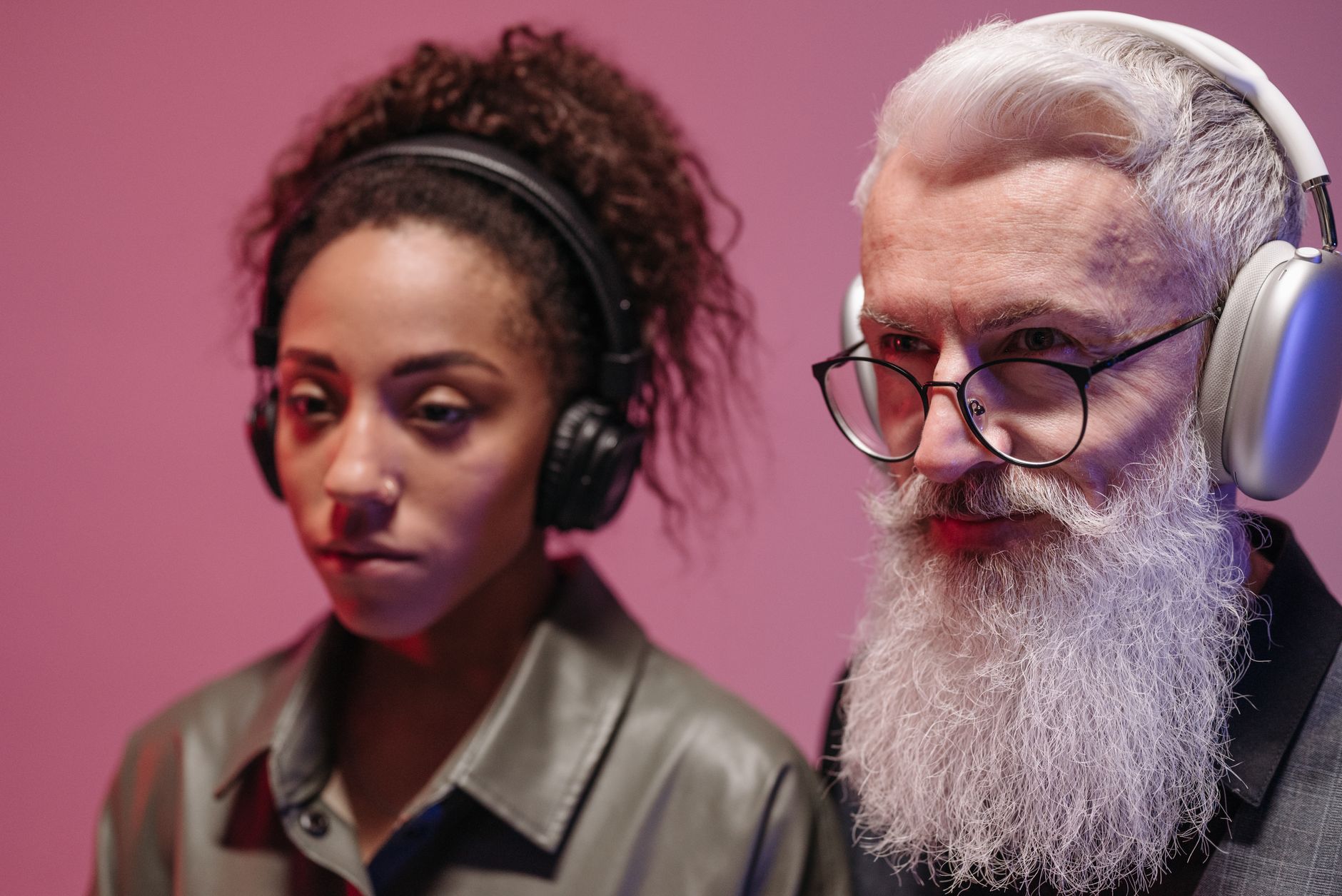
The generational divide has always been a rich source of comedy, sociological study, and occasional familial tension. However, in the hyper-fast digital landscape of the 21st century, the friction between Baby Boomers and younger generations—namely Millennials and Gen Z—has reached an entirely new level.
Today, societal shifts are no longer measured in decades; they happen in viral moments, software updates, and overnight cultural pivots. For Baby Boomers, a generation that built its worldview on stability, homeownership milestones, formal corporate ladders, and physical permanence, the modern world can feel like a foreign country.
Understanding boomers vs millennials dynamics requires looking beyond simple age gaps. It is a collision of two fundamentally different frameworks of reality. While younger generations have adapted to fluidity, digital-first communication, and redefining traditional milestones, many modern cultural norms inadvertently step on the toes of Boomer sensibilities.
Examining these generational differences reveals more than just petty grievances; it highlights how rapidly the world has transformed beneath our feet. Here is a look at the modern things, habits, and cultural shifts that instantly hurt a Boomer’s feelings—and why these clashes happen in the first place.
The Death of the Traditional Corporate Ladder and Job Loyalty
For a Baby Boomer, loyalty to an employer was practically a moral virtue. The post-war economic boom promised a clear, reliable blueprint: you joined a company right out of university or high school, worked hard for forty years, received steady promotions, and eventually retired with a comfortable pension and a gold watch.
Enter the modern workforce, heavily populated by Millennials and Gen Z, where job-hopping every two years is not just common—it is financially strategic. In today’s economic climate, staying loyal to a single company often results in stagnant wages, while jumping ship yields the necessary salary bumps to combat inflation.
When a Boomer hears that a younger worker has quit their job because of “bad vibes” or a lack of remote flexibility, it triggers a deep-seated disbelief. To Boomers, work is a place of endurance and stoic sacrifice. The modern approach—prioritizing mental health, setting strict boundaries around off-hours communication, and treating employment as a transactional partnership rather than a marriage—is often misconstrued by older generations as a lack of work ethic. This clash in professional philosophy is a primary battleground in modern culture.
Redefining Financial Milestones: Renting by Choice and Avocado Toast
Perhaps no topic generates more cross-generational eye-rolling than the state of the economy and personal finance. Boomers grew up in an era where a single income could purchase a suburban house, support a family of four, and pay for two cars. Naturally, they assume that financial success today is still purely a matter of personal budgeting and hard work.
When younger generations point out that housing prices have outpaced inflation by astronomical margins, or that crushing student loan debt makes saving for a down payment nearly impossible, the message frequently gets lost in translation.
Instead of recognizing macroeconomic shifts, the narrative often devolves into reductive clichés about daily luxuries—blaming avocado toast, artisanal coffee, or Netflix subscriptions for a generation’s inability to buy property. For Millennials, these minor treats are the only affordable dopamine hits left in a high-stress economy. When Boomers lecture them on financial discipline while completely ignoring systemic inflation, it invalidates the genuine economic hurdles defining social trends today.
Digital Etiquette: Why Phone Calls Are the New Aggression
Communication styles have undergone a tectonic shift over the past two decades. To a Baby Boomer, respect, urgency, and sincerity are best conveyed through a direct phone call or, at the very least, a well-structured email with a formal salutation.
To a Millennial or Gen Z professional, an unannounced phone call can feel intrusive, aggressive, and inefficient. Younger generations prefer asynchronous communication: text messages, Slack updates, or voice notes that allow the recipient to process and reply on their own time.
When a younger person lets a phone call ring out and responds with a text saying, “Hey, what’s up?” it can genuinely hurt a Boomer’s feelings. They interpret the avoided call as coldness, rudeness, or an unwillingness to engage. Conversely, younger generations view demanding immediate phone attention as a selfish imposition on their time and focus. This fundamental disagreement on digital etiquette creates daily friction in both personal and professional relationships.
The Casualization of Language and Digital Slang
Language evolves, but the speed ation of internet culture has put linguistic traditions in a blender. The rise of texting, social media, and meme culture has birthed a new lexicon that leaves many older adults completely bewildered.
More than just the vocabulary—such as using “no cap,” “rizzed up,” or “gaslighting” in casual conversation—is the subtle shift in punctuation and tone. For a Boomer, a period at the end of a sentence simply signifies proper grammar. For a Millennial or Gen Z digital native, a hard period at the end of a text message often reads as passive-aggressive, cold, or angry.
Similarly, the use of lowercase text, deliberate misspellings for comedic effect, and the endless deployment of ironic emojis are designed to soften communication and add playful nuance. When Boomers try to engage with this digital dialect—or worse, when they are mocked for using the laughing-crying emoji, which has been officially declared “uncool” by younger demographics—it creates a linguistic barrier that makes them feel alienated in public discourse.
Redefining Family and Relationship Timelines
The traditional milestones of adulthood—marriage, buying a house, having children, and settling down into a predictable suburban routine—used to happen in a strict, predictable sequence. You graduated, you married by twenty-five, you had kids shortly after, and you stayed put.
Today, those timelines have not just stretched; they have shattered entirely. Millions of adults in their thirties and forties are single by choice, prioritizing career pivots, personal travel, or creative projects over romantic coupling. Meanwhile, pet culture has largely replaced or supplemented parenthood, with younger adults proudly referring to themselves as “pet parents” and throwing elaborate birthday parties for their dogs and cats.
When Boomers witness their adult children or grandchildren opting out of traditional family structures, it often feels like a personal rejection of their own life choices. They worry about who will care for them in their old age, or they view these modern lifestyle choices as selfish or directionless. However, for younger generations, these choices represent hard-won autonomy in an unpredictable world.
The Shift from Physical Ownership to Subscription Culture
In the golden age of Boomer adulthood, ownership was tangible. You owned your physical music collection on vinyl or CD, you bought physical books to fill your shelves, and you owned a car outright. These physical possessions were symbols of stability, identity, and achievement.
Today’s economy runs on the cloud. Younger generations happily rent their entire media consumption through Spotify, Netflix, and Kindle Unlimited. They lease cars, rent apartments indefinitely, and value experiences—like traveling or attending music festivals—far above accumulating physical clutter.
To a Boomer, this looks like a lack of investment in the future. Without physical assets to show for their hard-earned money, older relatives often worry that younger people are wasting their wealth on temporary pleasures. They cannot compute the value of digital ownership rights or ephemeral experiences, leading to unsolicited lectures on the importance of “buying tangible assets.”
Navigating the Generational Divide with Empathy
At the heart of all these friction points is a universal human desire: to feel understood, respected, and validated. Baby Boomers look at the modern world and see a rejection of the stability they worked so hard to establish. Millennials and Gen Z look at the modern world and see a landscape that requires entirely new survival tools, forcing them to adapt in ways their parents never had to imagine.
Recognizing these generational friction points is the first step toward bridging the gap. While memes and cultural shifts will continue to evolve at breakneck speed, beneath the surface jokes about avocado toast and unreturned phone calls lies a shared humanity. By understanding why these modern things hurt Boomer feelings, we can move past frustration and foster deeper, more empathetic conversations across the generational divide.