The digital landscape is undergoing a massive cultural shift. For decades, media consumption was a one-way street: traditional networks, publishing houses, and corporate giants produced content, while audiences simply consumed it. Today, that hierarchy has completely dissolved. At the forefront of this revolution are Generation Z and Millennials, two distinct demographics that are rewriting the rules of how stories are told, shared, and monetized online.
Understanding this transformation requires looking beyond mere technological adoption. It is about a fundamental change in human behavior, attention spans, and the desire for authentic connection in an increasingly saturated digital world. As brands, creators, and marketers scramble to keep up, exploring digital storytelling trends offers a fascinating glimpse into the future of media.
The Death of Perfection: Why Authenticity Wins the Algorithm
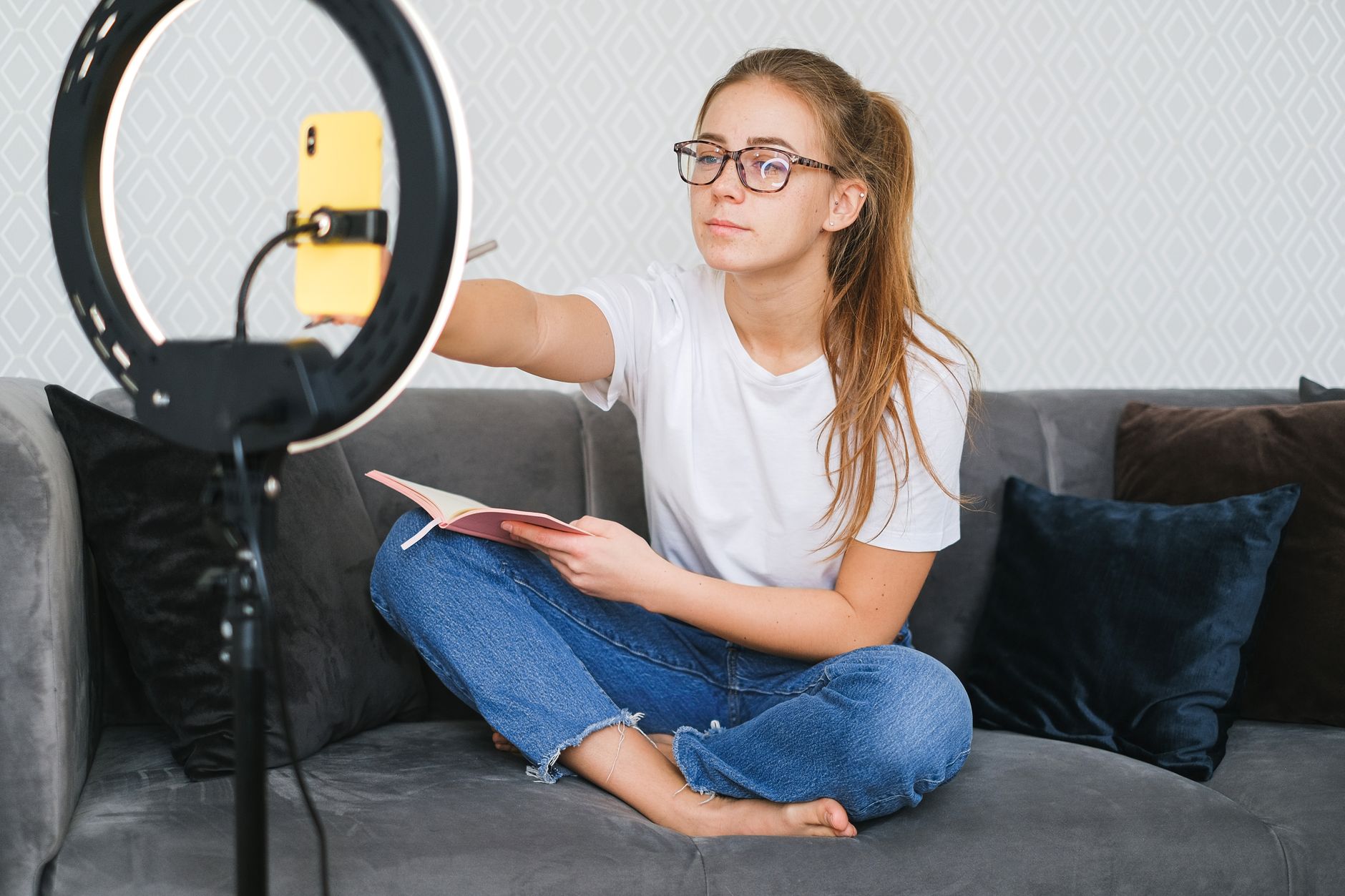
If you scroll through legacy media archives, you will find heavily polished commercials, perfectly lit studio interviews, and meticulously scripted narratives. However, if you open TikTok, Instagram Reels, or YouTube Shorts today, you will encounter something entirely different: a creator talking directly into their phone camera while walking down a bustling city street, unwashed hair, no makeup, and raw audio.
This shift represents one of the defining gen z content creation habits: the rejection of manufactured perfection in favor of radical authenticity. Gen Z, born roughly between 1997 and 2012, has grown up with hyper-targeted advertising and deepfakes. Consequently, they possess an acute radar for insincerity.
When young creators share personal failures, mental health struggles, or behind-the-scenes chaos, they build immediate trust with their audience. Digital storytelling is no longer about projecting an idealized lifestyle; it is about creating a mirror in which the viewer can see their own flaws and triumphs reflected. This raw, unedited approach has forced major brands to abandon their rigid corporate tones. To capture the attention of younger demographics, companies now collaborate with creators who specialize in messy, humanized, and relatable content.
The Millennial Bridge: From Blogs to Micro-Communities
While Gen Z is pioneering the ultra-short, highly visual formats, Millennials—born between 1981 and 1996—are playing a crucial role as the bridge between traditional digital media and the modern creator economy.
Analyzing millennial media consumption reveals a generation that witnessed the birth of social media, transitioned from desktop computers to smartphones, and currently anchors the workforce and primary consumer spending markets. Millennials pioneered the era of personal blogging, long-form Facebook updates, and curated Instagram feeds. However, as platform fatigue set in, their consumption habits evolved dramatically.
Today, Millennials are driving the shift toward niche digital communities. Instead of broadcasting their lives to the public square, they prefer closed subreddits, private Discord servers, newsletters, and specialized podcasts. Their approach to digital storytelling values depth, utility, and shared values. While a Gen Z user might discover a brand through a 15-second viral TikTok, a Millennial is more likely to commit after reading a deeply reported Substack article, listening to a 90-minute deep-dive interview, or engaging in a community-driven discussion board.
Interactive and Non-Linear Narratives
Storytelling used to follow a strict chronological arc: introduction, rising action, climax, and resolution. Today’s digital natives find linear storytelling restrictive and, frankly, boring.
Digital storytelling trends now heavily favor non-linear, interactive, and participatory formats. Platforms like Wattpad, Twitch, and TikTok have transformed the audience from passive listeners into active co-creators. On Twitch, for example, viewers do not just watch a live stream; they influence the narrative in real-time through chat commands, polls, and financial contributions that trigger on-screen events.
Similarly, on social media platforms, duets, stitches, and remix cultures mean that a single story no longer has a single author. Creator A posts a scenario, Creator B adds a plot twist, Creator C provides historical commentary, and millions of users in the comment section vote on the outcome. This decentralized approach to narrative construction resonates deeply with generations that value democracy, collaboration, and community-driven validation.
The Rise of Micro-Documentaries and “Edutainment”
Another fascinating trend defining modern digital storytelling is the blending of education and entertainment, commonly known as “edutainment.” Gone are the days when learning about history, science, or finance required sitting through a dry academic lecture or reading an exhaustive textbook.
Gen Z and Millennials consume complex information through bite-sized, highly engaging visual essays. Creators on YouTube and TikTok routinely produce 10-to-20-minute mini-documentaries tackling everything from global economics to niche historical events, packaged with cinematic B-roll, fast-paced editing, and engaging personal commentary.
This trend highlights a crucial truth about modern audiences: they are not losing attention spans; they are losing patience for boring content. When information is presented with high narrative stakes, emotional resonance, and visual flair, younger generations will gladly watch deep-dive content that rivals traditional television programming in length and complexity.
The Business of Being Real: Monetizing Identity
You cannot discuss how Gen Z and Millennials are redefining digital storytelling without examining the economic engine driving it. The traditional career ladder has largely lost its allure for younger generations. In its place, the creator economy has emerged as a legitimate, highly lucrative career path.
However, monetization in this space relies entirely on the strength of the narrative. Traditional banner ads and intrusive pop-ups are routinely blocked or ignored. Instead, modern audiences support creators through direct funding models like Patreon, buying merchandise that acts as a badge of community belonging, or purchasing products endorsed by creators they genuinely trust.
When an influencer integrates a brand sponsor into their content today, it cannot feel like a commercial break. It has to be woven into the personal narrative of the creator’s daily life. Storytelling has become the ultimate currency of the digital marketplace. Those who can tell a compelling story about themselves, their values, or a product command immense cultural and financial influence.
Looking Ahead: The Future of Digital Narratives
As we look toward the future, emerging technologies such as augmented reality, virtual reality, and generative artificial intelligence will undoubtedly push the boundaries of digital storytelling even further. Yet, amidst all these technological advancements, the core principles established by Gen Z and Millennials will remain the guiding light.
Authenticity, interactivity, empathy, and community will continue to dictate what succeeds and what fails in the digital ecosystem. The era of top-down corporate storytelling is officially over. We are now living in a world where everyone has a voice, every perspective has the potential to go viral, and the best stories win not because of a massive budget, but because of their undeniable human truth.