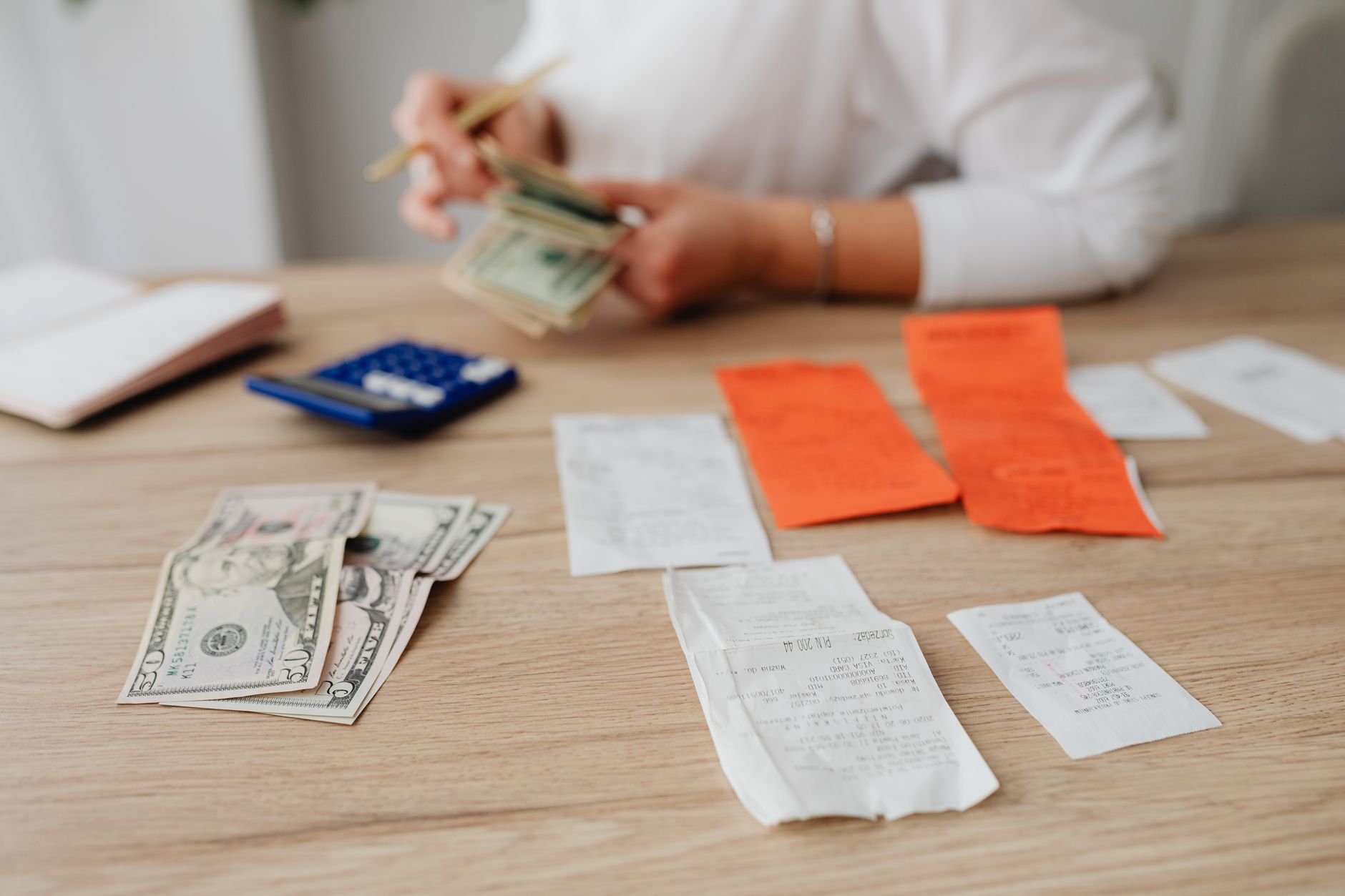
Achieving financial freedom often feels like an impossible climb for many people. When staring down the mountain of a mortgage, student loans, and everyday living expenses, the dream of retiring comfortably or living debt-free can seem completely out of reach. Yet, the reality of building long-term wealth is rarely about striking gold or earning a six-figure salary overnight. Instead, sustainable wealth is built in the quiet, mundane moments of daily life—through the accumulation of small, intentional financial choices.
Mastering your money is not about drastic, painful restrictions that leave you miserable. True personal finance management is an art form rooted in consistency. By weaving simple, strategic choices into your daily routine, you can transform your financial trajectory without feeling deprived. Here is how you can adopt smart daily budgeting habits for long-term financial freedom.
The Psychology of Wealth: Why Daily Habits Matter Most
Traditional budgeting often fails because it treats money management like a rigid diet. People set strict, unrealistic spending limits at the beginning of the month, only to burn out by week three due to fatigue and unexpected costs. This boom-and-bust cycle damages financial confidence and leaves bank accounts stagnant.
Shifting your focus toward daily budgeting routines changes the psychological framework of how you interact with money. Rather than looking at a massive, intimidating monthly ledger, you focus strictly on micro-decisions made in the present moment. Each day presents a series of small financial crossroads: brewing coffee at home versus buying a latte, packing lunch versus eating out at a trendy spot, or transferring a few dollars to a high-yield savings account versus spending it on impulse online shopping.
When you optimize these micro-decisions, the macro-results take care of themselves. Financial freedom habits are essentially about automating good choices so that saving money becomes your default setting, requiring zero willpower.
Morning Routine: Setting the Financial Tone for the Day
Your relationship with money begins the moment you wake up. Successful investors and financially independent individuals often start their day with a clear view of their current standing, rather than burying their heads in the sand.
The first step in a powerful morning financial routine is a quick, one-minute account check. This is not about obsessing over every cent or inducing anxiety, but rather about maintaining situational awareness. Glance at your primary checking and savings balances on your banking app. Knowing your exact numbers eliminates the guesswork that leads to careless spending later in the day.
Next, incorporate intentional spending triggers into your morning preparation. For instance, preparing your breakfast and coffee at home is a classic piece of financial advice, and for good reason. According to personal finance tracking data, the average commuter spends upwards of $5 to $7 daily on specialty coffee and breakfast items. Redirecting that expenditure into an automated daily transfer of $5 into an investment account may seem insignificant, but compounded over a decade at an average 7% market return, that daily habit builds a significant nest egg.
Midday Mindfulness: Defending Against Impulse Purchases
The greatest threat to personal finance management usually occurs between the hours of 11 AM and 3 PM. This is when work fatigue peaks, stress levels rise, and the temptation for retail therapy or convenience spending is at its highest.
One of the most effective financial freedom habits you can cultivate during the workday is the implementation of the 48-hour rule for non-essential purchases. Whether you are browsing online sales during your lunch break or tempted by a coworker’s invitation to an expensive lunch out, introducing friction into the spending process is crucial. If you see something online that you desperately want to buy, add it to your cart or wishlist, but force yourself to wait 48 hours before pulling the trigger. More often than not, the dopamine spike fades, and you realize you neither need nor truly want the item.
Furthermore, practice mindful consumption regarding food and convenience. Meal prepping is not merely a diet trend; it is a powerful wealth-building tool. Buying restaurant lunches five days a week easily drains hundreds of dollars a month from your disposable income—money that could otherwise be directed toward clearing high-interest debt or purchasing income-generating assets.
Evening Review: Closing the Loop on Daily Spending
As the day winds down, the final step of an effective daily budgeting routine takes place. Neglecting to review your day’s financial footprint is like running a business without ever closing the register.
Spend two minutes logging your expenses into your budgeting app of choice. Modern financial technology makes this remarkably effortless, with many apps automatically categorizing transactions via SMS notifications or bank syncing. The act of simply acknowledging where your money went creates a psychological feedback loop. If you notice you overspent on entertainment or dining out today, your brain naturally adjusts its behavior for tomorrow without requiring a harsh reprimand.
This evening window is also the ideal time to move any leftover spare change into savings. Micro-investing platforms allow you to automatically round up your purchases to the nearest dollar and invest the difference. While it sounds modest, these pocket-change contributions accumulate quietly in the background, fueling long-term compound growth while you sleep.
Automating Your Way to Financial Freedom
While daily habits build awareness and curb reckless spending, relying purely on daily manual transfers can be exhausting. The ultimate secret to sustainable personal finance management is strategic automation.
True financial freedom is achieved when your wealth-building mechanisms run on autopilot. Set up your bank accounts so that on every payday, a predetermined percentage of your income is automatically siphoned away before you even have a chance to spend it. Direct a portion straight into retirement accounts, emergency funds, and investment portfolios.
By paying your future self first, you force yourself to live on what remains. This reverse-budgeting approach eliminates the temptation to inflate your lifestyle simply because you received a raise or a bonus. When automated savings are treated as a non-negotiable monthly bill—just like rent or electricity—long-term wealth accumulation transitions from a vague aspiration into an inevitable reality.
Overcoming the Pitfalls of Micro-Budgeting
Like any lifestyle change, adopting daily financial habits requires patience and grace. It is entirely normal to slip up, indulge in an impulsive purchase, or derail your routine during stressful weeks. The danger lies in falling into the “all-or-nothing” fallacy, where a single financial misstep causes people to abandon their entire budget out of frustration.
Financial health is a marathon, not a sprint. If you overspend on a Tuesday, do not wait until the first of next month to course-correct. Simply recalibrate on Wednesday. The resilience to bounce back from minor financial setbacks is what ultimately separates those who achieve long-term freedom from those who remain trapped in a cycle of paycheck-to-paycheck living.
Moreover, avoid letting frugality turn into miserliness. The goal of daily budgeting routines is not to hoard every penny until you can no longer enjoy life. Rather, it is about allocating your finite financial resources toward the things, experiences, and goals that truly bring you lasting value and peace of mind. Cutting out mindless spending on things you do not care about frees up capital to spend generously on the things that genuinely matter to you.
The Compound Effect of Small Financial Wins
Ultimately, the journey toward long-term financial freedom is defined by the compound effect. Just as small, unhealthy habits compound over time to create debt and financial stress, small, positive daily routines compound into robust wealth and security.
By mastering your daily budgeting habits, you strip away the intimidation of personal finance management. You stop viewing money as a source of chronic anxiety and start treating it as a tool for building the life you desire. By making mindful choices each morning, protecting your wallet from midday impulses, and reflecting on your spending each evening, you lay down a stable foundation of financial literacy.
Start small. Pick just one of these habits to integrate into your routine this week—whether it is automating a daily savings transfer, pausing before online checkouts, or reviewing your balance every morning. Over time, these micro-actions will transform into second nature, guiding you steadily and surely toward a future of absolute financial independence.