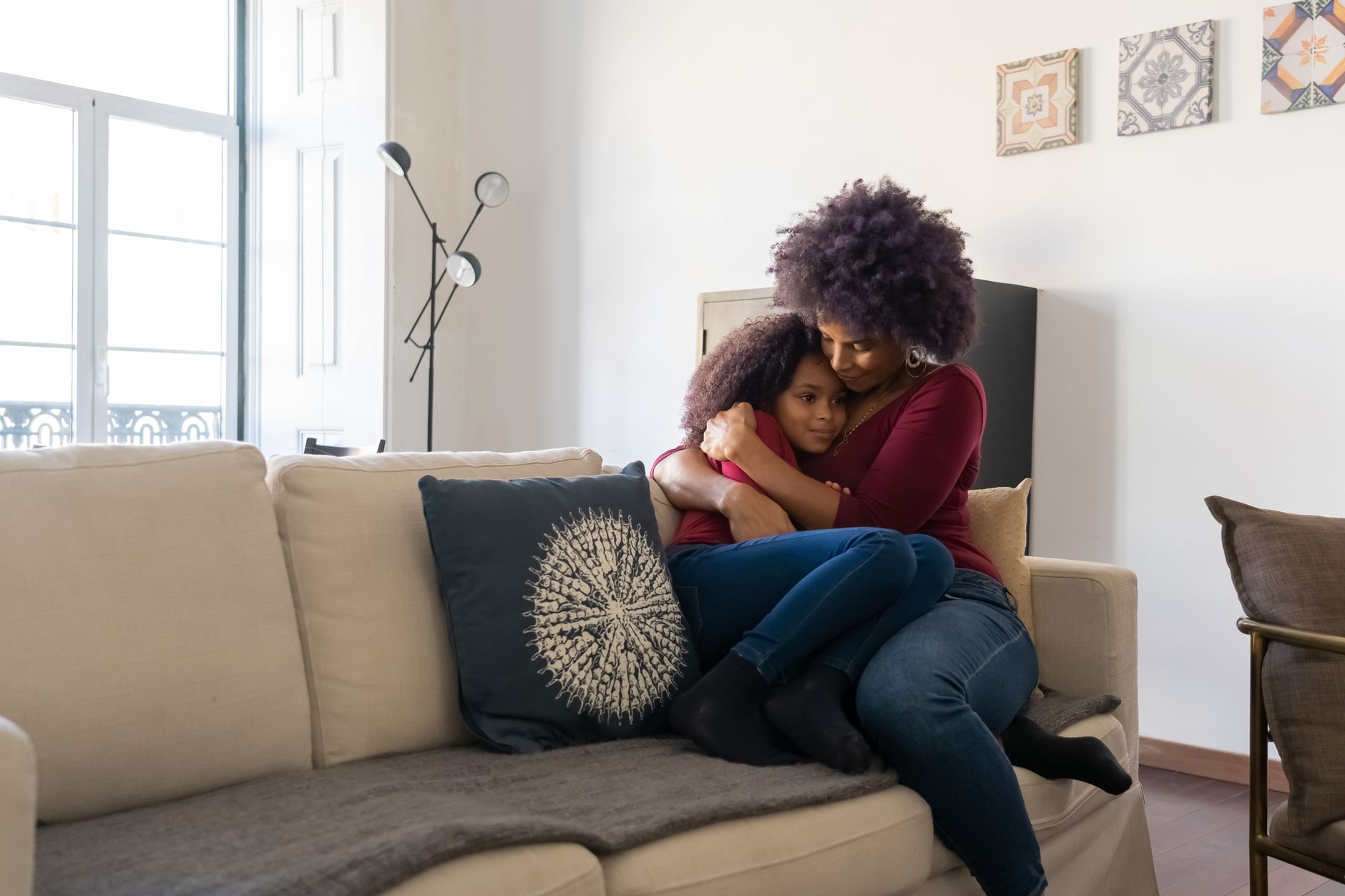
Every child’s home looks different. For millions of young people, daily life is shaped by one parent who works, cooks, pays the bills, and handles school meetings alone. Many of these children grow up resilient and loving, and many thrive. Still, the single parent childhood struggles they face are real, and they often go unseen by teachers, friends, and even the adults who love them most.
This article looks at the specific challenges children in single-parent households can face, why they matter, and what families and communities can do about them.
When Money Becomes a Daily Worry
Financial strain is one of the most widely documented challenges in single-parent families. Research on family structure, including long-running work by sociologists such as Sara McLanahan and Gary Sandefur, has found that children in single-parent households are more likely to experience economic hardship than children in two-parent homes. In many countries, households led by a single mother are especially exposed to low incomes, because one earner must cover rent, food, transport, school costs, and medical bills.
For children, this pressure is not always visible, but it is felt. A child may notice that a family trip is never planned, that new shoes are postponed, or that a parent sits quietly over a stack of bills. Some children learn early not to ask for things. They may skip school activities because of fees or feel embarrassed about the clothes they wear. Over time, this can shape how they see money, security, and their own worth.
Financial stress also limits access to the things that help children grow: tutoring, music lessons, sports, and safe after-school care. The gap is not a reflection of a child’s ability. It is a reflection of how much one income has to stretch.
Carrying Responsibilities Beyond Their Years
In many single-parent homes, children take on more responsibility than their peers. They may look after younger siblings, cook simple meals, or manage their own homework and mornings while a parent works a late shift. Family researchers sometimes describe this as “parentification,” a situation in which a child takes on emotional or practical duties usually handled by adults.
Helping at home is not harmful in itself. Many children feel proud to contribute, and cooperation can build confidence and a strong sense of family. The concern arises when responsibilities become constant and the child’s own needs are pushed aside. A ten-year-old who is handling household chores, emotional support for a stressed parent, and care for a sibling may have little time left to simply be a child.
Parents in these situations often feel guilty about asking so much. Yet the guilt can cloud the bigger picture: children need rest, play, and space to make mistakes. Without those, burnout can appear early in life.
Emotional Weight and the Need to Be Strong
Children from single-parent families often pick up on a parent’s exhaustion, loneliness, or sadness. They may try to protect that parent by hiding their own worries. A child might say “I’m fine” when they are not, avoid sharing problems at school, or keep quiet about feelings of anger or sadness because they do not want to add to the burden.
This emotional balancing act can be difficult. Children are still learning how to identify and express what they feel, and when there is no second adult to talk with, those feelings may build up. Some children become very mature for their age. Others swing between being overly helpful and sudden outbursts of frustration.
Experts emphasize that children do best when they have at least one stable, trusted adult outside the home, such as a grandparent, teacher, coach, or family friend. That person can offer a listening ear and a sense that the child is not alone.
Less Time, Fewer Hands, and a Busy Routine
Time is one of the scarcest resources in a single-parent household. A parent who is the only adult at home has no one to swap shifts with, no partner to handle the school run, and no backup when a child is sick. Even a short illness can throw an entire week into chaos.
This lack of time can affect how much attention a child receives. Parents may want to attend every school event or bedtime story, but work demands and fatigue make it hard. Children may notice the gaps, even when their parent is doing everything possible. They may feel rushed, overlooked, or like the family’s schedule is always one emergency away from collapse.
Routines matter, however. Predictable mealtimes, consistent bedtimes, and small rituals such as a weekend walk or a nightly chat can help children feel secure. Even brief moments of focused attention can have a lasting impact.
Questions, Comparisons, and Stigma at School
Children from single-parent families often face questions they did not choose to be asked. “Where is your dad?” or “Why doesn’t your mom come to parent day?” can sting, especially when a child is still learning how to explain their family. Forms that ask for “mother and father” details can also feel awkward.
Some children face teasing or quiet judgment from classmates who assume that a single-parent household is somehow lacking. Although attitudes have improved over the years, stigma still exists in many communities. A child who hears these comments may start to feel different or ashamed, even though their family is loving and whole in its own way.
Schools play an important role here. Teachers who use inclusive language, avoid assumptions about family structure, and create room for different types of family can make a meaningful difference. Simple gestures, such as allowing a child to invite any trusted adult to a school event, help every student feel they belong.
Grief, Identity, and Questions About Family
Not every single-parent family begins the same way. Some result from divorce, others from the death of a parent, separation, or a parent who was never part of the child’s life. Each path carries its own emotional weight. A child may grieve the absence of a parent, even if that parent is still alive, and may struggle with questions about why things happened the way they did.
Children may also feel torn between two households if there is co-parenting. Moving between homes, adjusting to different rules, and worrying about upsetting either parent can add stress. Some children feel loyalty conflicts or fear that loving one parent means letting the other down.
Helping children name their feelings can ease this burden. Age-appropriate honesty, reassurance that the separation is not their fault, and space to ask questions over time all support healthy emotional development.
Building Resilience Together
Despite these challenges, many children raised by single parents grow into confident, compassionate adults. Resilience does not mean hardship is good for children. It means that with the right support, young people can learn to adapt, solve problems, and form strong relationships.
Several factors make a difference. A warm and consistent relationship with the parent remains one of the strongest protective influences. Access to extended family, community programs, mentoring, and quality childcare can ease pressure on the household. Schools that notice a child’s needs early can connect families with counseling or academic support before problems grow.
Parents also benefit from support. Flexible work arrangements, affordable childcare, parenting groups, and mental health services can help single parents look after themselves so they can look after their children. A parent who is rested and supported is better able to offer patience and presence.
What Families and Communities Can Do
Addressing single parent childhood struggles requires attention from many directions. Families can prioritize open conversations, shared routines, and clear expectations that protect a child’s right to be a child. Relatives and friends can offer practical help, such as school pickups, meals, or a few hours of childcare, which can have a larger effect than many people realize.
Communities can invest in accessible after-school programs, affordable child care, and free or low-cost activities. Employers can support working parents with predictable schedules and family-friendly policies. Policymakers can review tax credits, housing support, and child benefits to ensure that single-parent households are not left behind.
For children themselves, the most important message is simple: their family is valid, their feelings matter, and they deserve support. A child who knows they are loved and heard is far better equipped to face whatever challenges come their way.
A Call to See These Families Clearly
Children raised by single parents often carry burdens that are not obvious from the outside. They may be helping at home, managing emotions, handling questions at school, or quietly worrying about money. At the same time, many of them show remarkable strength, empathy, and independence.
Understanding these unique struggles is the first step toward better support. When families, schools, workplaces, and communities recognize the realities of single-parent life, they can help children grow with dignity, security, and hope. Every child deserves a childhood that is protected, encouraged, and full of possibility, no matter how many adults are in the home.