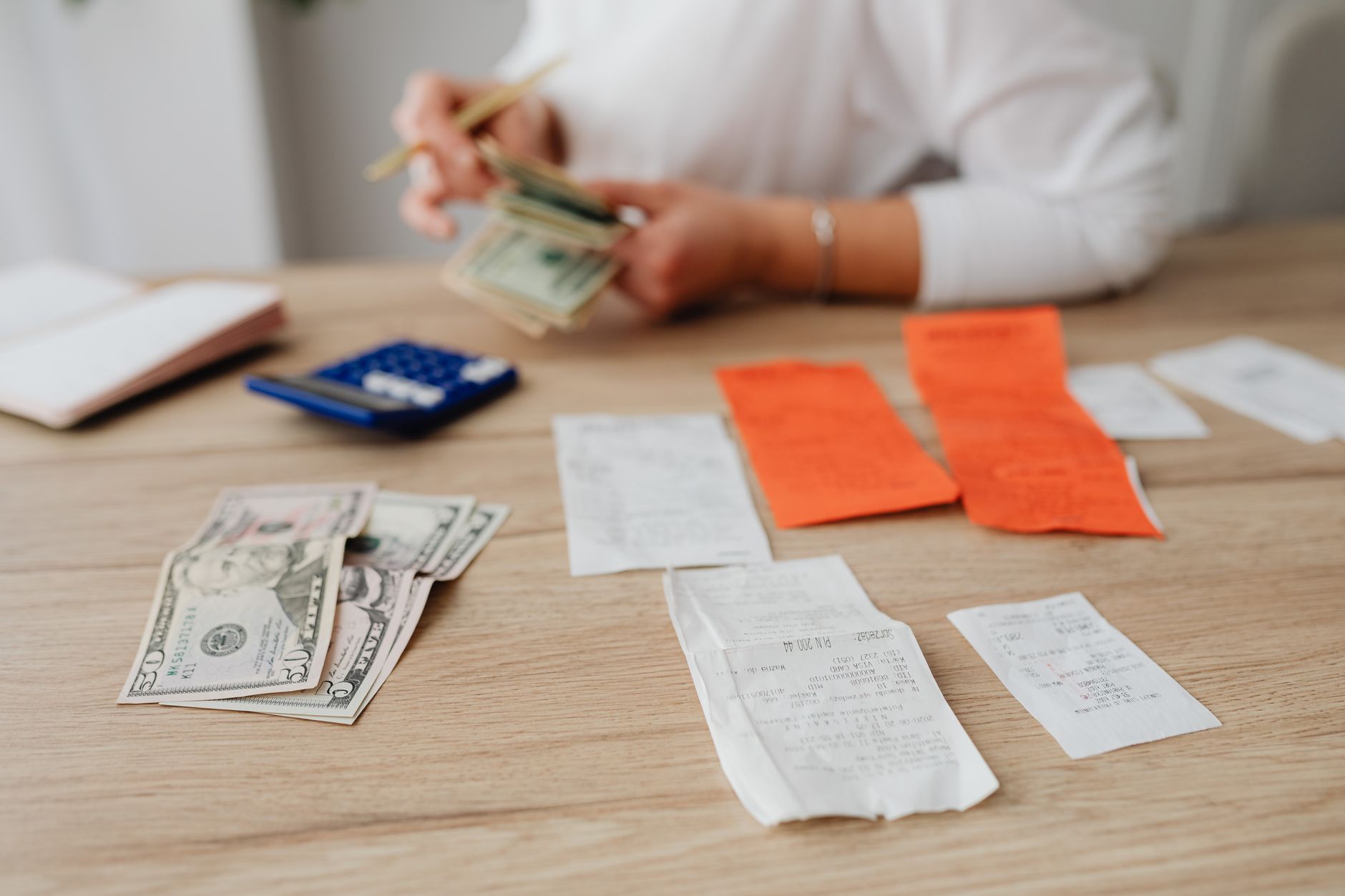
From splitting restaurant bills to delaying a move-in date, rising prices are changing how young adults find love, spend time together, and decide whether to commit.
Not long ago, a first date usually meant coffee, a walk, or a cheap drink after work. Today, many singles say that same evening can quietly drain a monthly budget. Years of elevated prices for groceries, rent, transport, and dining out have reshaped romance in ways that go beyond the wallet. The dating cost of living has become a real factor in who people meet, how often they go out, and whether they feel ready to build a life together.
Understanding this shift matters, especially as the modern single lifestyle takes new forms in cities where housing and daily expenses keep climbing.
The Rising Price of a First Date
For many people, dating used to be one of the cheapest forms of entertainment. A casual meetup could cost less than a movie ticket. That is no longer guaranteed. Restaurant prices rose sharply during the inflation surge that peaked in 2022 in many economies, and although price growth has slowed since then, the price levels themselves have largely stayed high. A cocktail that once cost a few dollars now often costs far more, and a basic dinner for two can easily reach the cost of a small weekly grocery shop.
This has changed the rhythm of dating. Some singles say they now prefer daytime coffee dates, picnic-style meetups, or free activities like hiking and community events. Others have simply cut back, going out less often and saving their social budget for people they already feel a strong connection with. The result is a more deliberate approach to early dating, where people screen each other more carefully before committing money and time.
Critics sometimes describe this as “budget dating,” but many younger singles see it as practical rather than a compromise. They are learning to plan dates that feel thoughtful without being expensive, and they often find that creativity can be more memorable than a pricey reservation.
Dating Apps and the Subscription Squeeze
Dating apps have become the default starting point for many relationships, but they now come with their own financial pressure. Premium tiers promise better matches, unlimited likes, or the ability to see who has already swiped right. These features are typically sold as monthly subscriptions, and in a tight economy, some users question whether the extra spending is worth it.
Many people now rotate between free and paid features, pause subscriptions during busy months, or switch to apps that focus on local community and in-person events. Some have also grown skeptical of the subscription model itself, noting that the more an app profits from users staying single and searching, the less incentive it may have to help them find a partner quickly.
This tension has pushed some singles back toward offline ways of meeting people, including hobby groups, sports clubs, volunteer work, and friends-of-friends introductions. These options are often cheaper and can lead to relationships built on shared interests rather than a rapid swipe.
Moving In Together, or Staying Apart
Perhaps the most visible change is in living arrangements. Housing costs have made independent living difficult in many major cities, and that reality affects relationships in both directions. Some couples decide to move in together sooner, sharing rent as a way to make city life affordable. Others delay cohabitation because combining households, or buying a home together, feels too financially risky without a clear long-term plan.
This creates a new kind of relationship calculation. A couple might spend years in what they call a “living apart together” arrangement, maintaining separate homes while spending most nights together. For some, this offers emotional closeness without the financial entanglement. For others, it can feel like a holding pattern, especially when one partner wants to commit more fully.
Roommates also play a larger role in single life than they once did. Many adults in their late twenties and thirties continue sharing apartments, not out of a lack of ambition but because solo living has become expensive. This shared-housing reality shapes dating too, since bringing a partner into a crowded flat or dealing with a roommate’s schedule adds complications that previous generations rarely faced.
Later Marriages and the Economics of Commitment
Across many countries, the average age of first marriage has been rising for decades. Economic pressure is one of several factors behind that trend, alongside changing social norms, longer education, and career priorities. In the United States, for example, recent census estimates put the median age at first marriage at roughly 30 for men and 28 for women, both higher than a generation ago.
Money is often part of the conversation about commitment. Couples must weigh wedding costs, which can run into thousands of dollars, along with the expenses of setting up a shared home, starting a family, or simply managing two incomes in a volatile market. Many people say they want financial stability before they feel ready to marry, and that desire can make the timeline slower and more intentional.
This has also made financial compatibility a more serious topic early on. Couples increasingly discuss debt, savings goals, spending habits, and career plans before making big decisions. While this can feel unromantic, many relationship counselors view it as a healthy shift, since open money conversations can prevent conflict later.
Single Life, Redefined
Being single in a high-cost environment does not always mean waiting anxiously for a partner. Many people are building fulfilling lives on their own terms, and the modern single lifestyle is increasingly centered on friendships, personal growth, and financial independence.
Friendship has taken on a larger role. Close friends often serve as emotional support, social companions, and sometimes even housemates or financial backups. Group activities, potluck dinners, and shared hobbies allow people to socialize without spending heavily. For many singles, these networks feel just as meaningful as romance.
Financial goals also shape how people spend their free time. Some singles prioritize building savings, paying down debt, or investing in skills that could boost their income. Others choose to travel locally, explore their city on foot, or pursue creative projects. The idea of living a full life without a partner has become more common, and for some, it is a deliberate choice rather than a temporary phase.
At the same time, loneliness remains a real concern. Living alone in an expensive city can be isolating, and some singles report feeling disconnected from peers who have settled into relationships or family life. Mental health experts often recommend building intentional routines, joining community groups, and staying in regular contact with friends to counter that sense of isolation.
Gender Expectations and Money Talk
Rising costs have also stirred debate about who pays and who plans. Traditional expectations, where men were often assumed to cover the bill, are being questioned by many younger daters who prefer splitting costs or taking turns. Some people see this as fairer, while others feel pressure when expectations differ.
These conversations can be awkward, but they are becoming more common. Clear communication about budgets, dating preferences, and shared expenses can prevent misunderstandings and resentment. Many singles say they appreciate partners who are upfront about their financial situation, as it signals honesty and respect rather than a lack of interest.
What Comes Next
The high cost of living is unlikely to disappear overnight, and its influence on dating and relationships will probably continue to evolve. Some experts expect more couples to pursue flexible arrangements, more people to rely on community-based social life, and more daters to prioritize financial compatibility alongside emotional connection.
For singles navigating this landscape, the key may be adaptability. Dates do not have to be expensive to be meaningful, and a relationship does not have to follow a fixed timeline to be valid. As the inflation dating trends of recent years settle into a new normal, many people are discovering that the most lasting connections are built on honesty, shared values, and realistic expectations about what life costs.
In the end, rising prices have forced a conversation that was overdue. Love may still be about chemistry and care, but in today’s economy, it is also about planning, communication, and deciding together what kind of life is worth building.