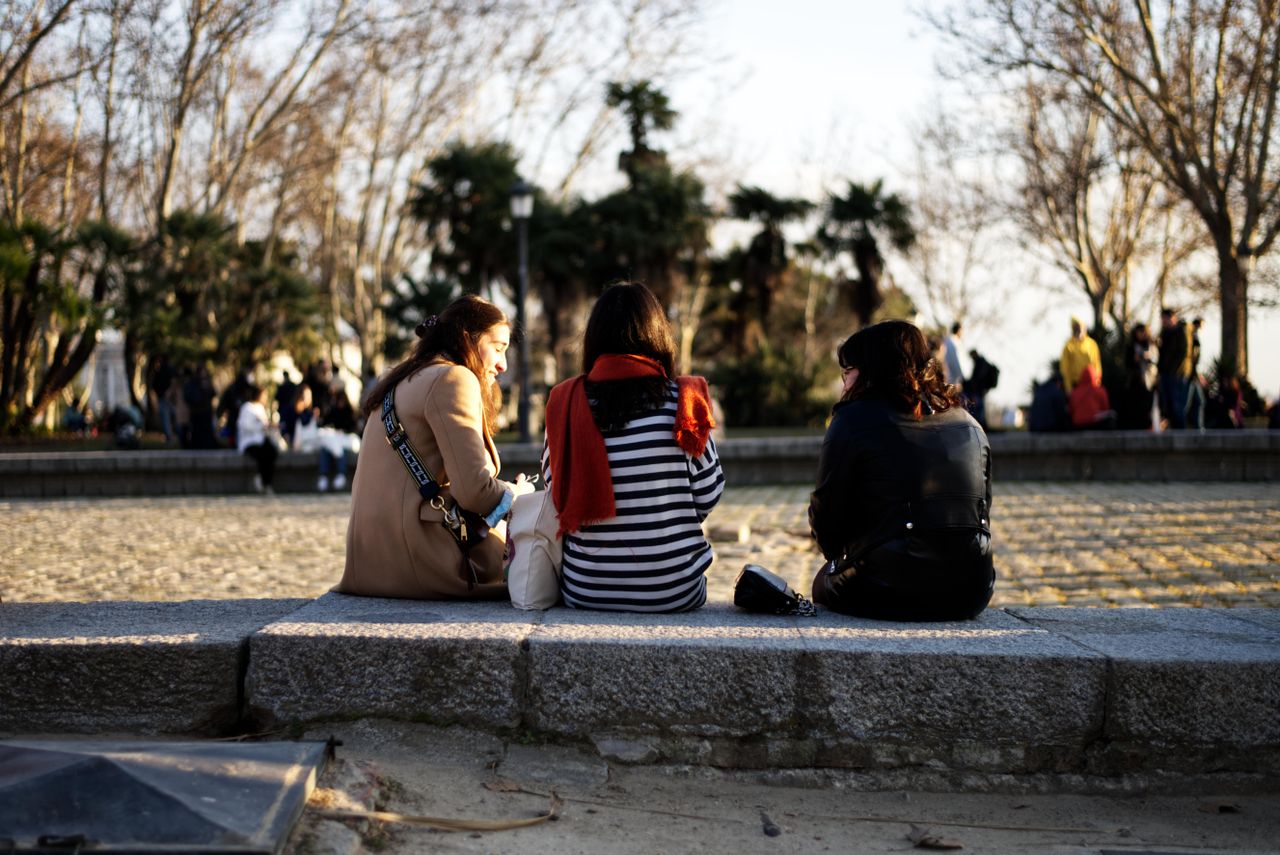
In a world that constantly celebrates extroversion, networking, and having a packed social calendar, choosing to keep your circle small is often misunderstood. Society frequently equates a bustling social life with popularity, happiness, and high social value. Yet, if you look closely at some of the kindest, most empathetic individuals around, you will notice a striking pattern: they often have very few friends.
This phenomenon is not born out of bitterness, misanthropy, or social ineptitude. Rather, it is the result of a deliberate lifestyle choice rooted in emotional intelligence, self-preservation, and a deep appreciation for quality over quantity. These individuals radiate genuine warmth and compassion, yet they fiercely guard their personal time and energy. Understanding this dynamic requires looking past conventional social norms and examining the unique psychology of deeply kind people with selective social circles.
The Heavy Toll of Empathy and Introverted Kindness
To understand why kind people often have sparse social calendars, one must first look at how they interact with the world emotionally. True kindness is not merely polite; it is active, empathetic, and often emotionally taxing. When an empathetic person walks into a room, they naturally absorb the emotional atmosphere. They feel the stress of a coworker, the sorrow of a passing acquaintance, and the unspoken anxieties of those around them.
This specific brand of introverted kindness means that these individuals process the world deeply. While an extrovert might gain energy from interacting with a large group of acquaintances, an empathetic introvert often expends a massive amount of internal energy just navigating social dynamics. Because they genuinely care about the well-being of others, they invest a piece of themselves into every interaction.
Consequently, their emotional battery drains much faster than average. To prevent burnout and maintain their mental health, they must step back from constant socialization. Having very few friends is not a rejection of humanity; it is a sustainable strategy for someone who feels things deeply and needs adequate downtime to recharge.
Mastering the Art of Firm Social Boundaries
One of the most defining behaviors of kind people with small social circles is their ability to establish and maintain ironclad social boundaries. Contrary to popular belief, being kind does not mean being a doormat. In fact, emotional maturity allows individuals to realize that saying “no” to others is often the same as saying “yes” to their own well-being.
People with few friends are exceptionally skilled at recognizing when a relationship drains more than it nourishes. They do not engage in superficial gossip, obligatory socializing, or energy-draining drama simply to keep up appearances. Instead, they draw a clear line between being compassionate to humanity and granting intimate access to their personal lives.
These social boundaries allow them to protect their peace. When they commit to helping someone or spending time with a friend, that engagement gets 100% of their authentic attention. They refuse to spread themselves too thin because they know that fractured attention prevents deep connection. By filtering out the noise of casual acquaintances, they create space for profound, meaningful interactions with the few people who truly matter.
Prioritizing Depth Through Meaningful Friendships
For the selectively kind individual, the concept of friendship is sacred. They are not interested in accumulating contacts on social media or maintaining a roster of “weekend drinking buddies.” Instead, they invest their time in cultivating meaningful friendships that offer psychological safety, mutual growth, and authentic vulnerability.
If you observe these individuals within their small circles, you will notice a profound level of loyalty and attentiveness. They remember the small details—the name of a friend’s pet, an important career milestone, or a passing comment made months ago. Their conversations rarely stay on the surface level of weather and traffic; they naturally gravitate toward philosophy, shared dreams, emotional struggles, and personal insights.
This preference for depth over breadth means they simply do not have the bandwidth for dozens of relationships. Building a truly intimate, trusting bond requires time, emotional investment, and consistency. Because human time and energy are finite, choosing to have two or three profound friendships naturally crowds out the possibility of having thirty casual ones.
Key Personality Traits of the Selectively Social Kind
Beyond boundaries and empathy, kind people with few friends typically share a distinct constellation of personality traits that set them apart from the crowd. Recognizing these traits can help shed light on why they prefer solitude or ultra-small circles over bustling social scenes.
First, they possess a high degree of self-sufficiency. They are remarkably comfortable in their own company. Solitude is not loneliness for them; it is a sanctuary where they pursue creative projects, read, reflect, and restore their inner balance. They do not rely on external validation or constant company to feel good about themselves.
Second, they have a remarkably low tolerance for superficiality. Small talk often feels exhausting to them because they crave authenticity. If a conversation cannot move past platitudes, they tend to withdraw. This intolerance for pretense makes it difficult for them to navigate large networking events or typical party scenes, where surface-level charm usually takes precedence over genuine soul-searching.
Third, they are fiercely authentic. They do not wear social masks to fit in with different crowds. What you see is what you get. Because they refuse to compromise their core values just to be liked by the masses, they naturally filter out people who prefer pleasant illusions over raw honesty.
The Misconception of Loneliness vs. Solitude
Society often looks at a person with very few friends and automatically assumes they are lonely or socially isolated. However, psychological research consistently shows a vast difference between being alone and being lonely.
Kind people who maintain tight-knit circles are almost never lonely when they are by themselves. Their rich internal worlds keep them thoroughly engaged. They utilize their alone time to process emotions, learn new skills, and connect with their passions. When they do interact with their select friends, the quality of that connection is so high that it sustains them for long stretches of independence.
In fact, many studies suggest that individuals with fewer, higher-quality friendships often report higher levels of life satisfaction than those with massive social networks. Deep connections buffer against stress, provide genuine emotional support, and foster a truer sense of belonging than any superficial crowd ever could.
Embracing the Power of a Select Circle
Ultimately, having very few friends while remaining unfailingly kind is a superpower in a frantic world. It demonstrates emotional maturity, self-respect, and a profound understanding of human energy. These individuals remind us that love, compassion, and friendship are not commodities to be mass-produced, but rare treasures to be cherished.
If you recognize these behaviors in yourself, there is no need to feel pressured to change or conform to society’s extroverted ideal. Your desire for quiet spaces, deep conversations, and firm boundaries is a testament to your emotional health. By protecting your energy and focusing on what truly matters, you pave the way for a life rich in authenticity, peace, and enduring bonds.