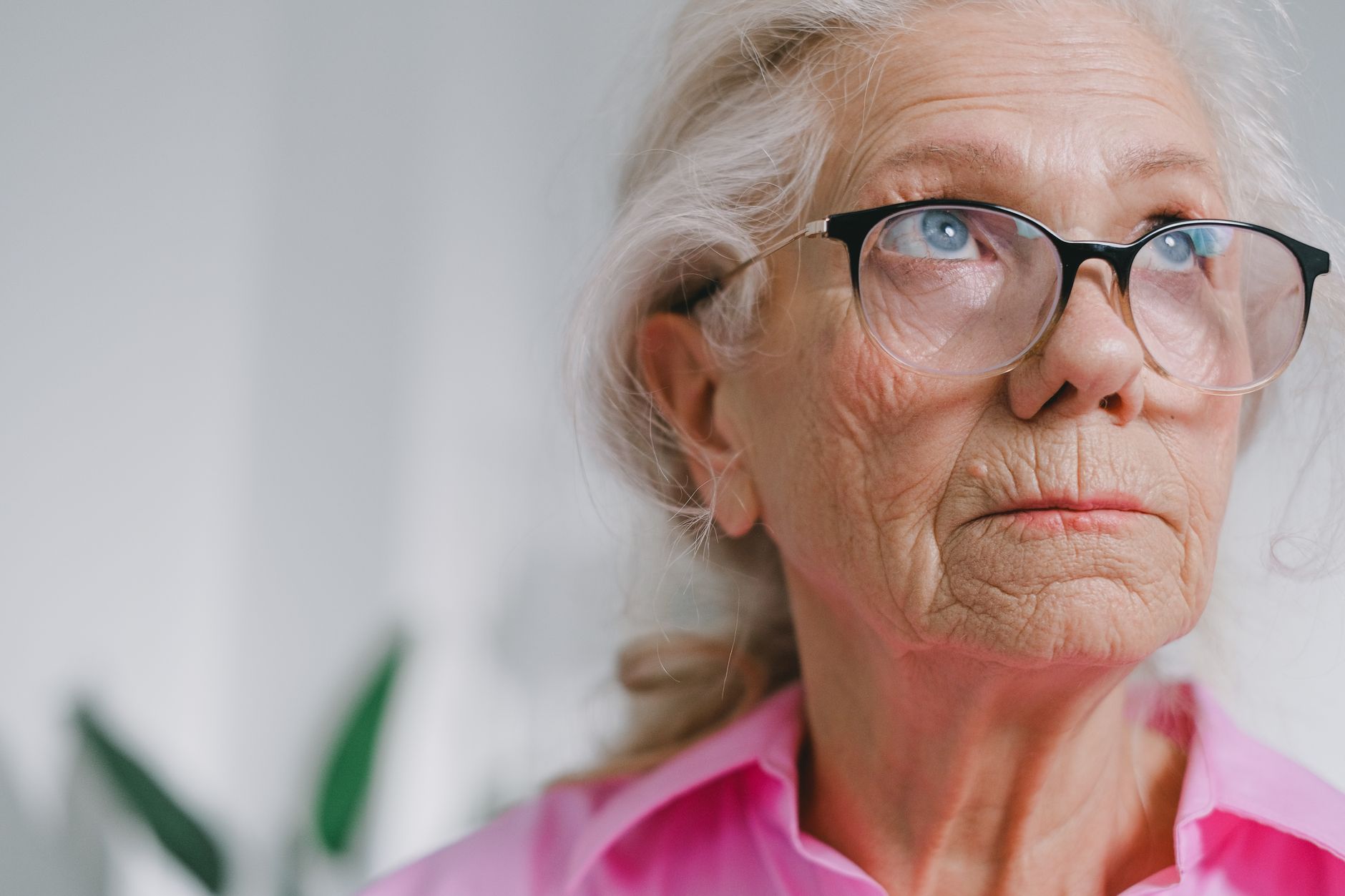
Society has long held a complicated relationship with aging, particularly when it comes to women. If you pay close attention to social dynamics, cultural narratives, and everyday interactions, a subtle yet pervasive shift occurs as women grow older. Youthful women are frequently showered with societal approval, validation, and affection. However, as they transition into middle age and beyond, many women notice a distinct drop in universal popularity.
This phenomenon is rarely discussed openly, yet it is widely experienced. Far from being a personal failing, this shift is rooted deeply in aging psychology, evolving social dynamics, and a profound reclamation of personal power. Understanding why women often stop being universally liked as they age requires examining how cultural expectations, psychological maturation, and boundary setting collide in a society that struggles to accept older women on their own terms.
The Shrinking Social Currency of Youthful Compliance
To understand the social landscape of aging, we must first look at the currency of youth. In patriarchal and youth-obsessed cultures, women’s social capital is historically tied to their appearance, compliance, and agreeable nature. Young women are often socialized to be pleasant, accommodating, and nurturing—traits that make them “easy” to be around and secure widespread, albeit superficial, approval.
When women are young, they frequently occupy a passive role in social hierarchies. They smile more, absorb social friction to keep the peace, and prioritize the comfort of others over their own. This compliance ensures that they are widely “liked” because they do not disrupt the status quo.
However, time acts as a powerful catalyst for change. As women accumulate life experience, their relationship with compliance fundamentally shifts. They grow weary of performing emotional labor for free and realize that universal likability often requires self-erasure. Shedding this performative agreeableness is the first step toward authenticity, but it is also the exact moment society begins to withdraw its effortless affection.
The Power of Mature Boundary Setting
One of the primary drivers behind the shift in social dynamics for older women is the mastery of boundary setting. Psychology shows that as individuals age, they gain a clearer sense of self. They know what they will tolerate and, more importantly, what they refuse to accept.
For women, learning to say “no” without offering a lengthy apology is a monumental developmental milestone. Unfortunately, a woman who sets firm boundaries is frequently penalized by a society that prefers her to be endlessly accommodating.
- The Nice-Girl Trap: When a woman consistently prioritizes her own mental health and time over the unreasonable demands of others, she is often labeled “difficult” or “cold.”
- Direct Communication: Aging women tend to cut through social pretense and small talk, favoring directness and honesty. This directness can be unsettling to people accustomed to polite sugarcoating.
- Refusing Emotional Labor: Older women frequently stop managing the emotions of the people around them. Stepping back from this invisible labor is liberating, but it alienates those who relied on them to absorb stress and maintain social harmony.
In essence, boundary setting protects a woman’s energy, but it filters out people who only valued her when she was endlessly yielding. The loss of widespread popularity is often the byproduct of gaining self-respect.
Aging Psychology: The Shift from External Validation to Internal Worth
From the perspective of aging psychology, the later decades of life are characterized by a profound internal shift. Carl Jung termed this psychological individuation—the process through which a person integrates all aspects of their psyche and becomes truly themselves.
Younger individuals often rely heavily on external validation. They measure their self-worth through the lens of how others perceive them. By the time women reach middle age and beyond, a psychological maturation takes place. They have lived through triumphs, griefs, failures, and reinventions. They realize that external approval is fleeting, conditional, and ultimately exhausting to chase.
This independence from external validation makes aging women remarkably formidable. They no longer dress, speak, or act to appeal to the male gaze or societal standards of modesty and grace. They care far less about what the neighbor, the colleague, or the stranger on the street thinks of them.
This liberation is intoxicating for the woman experiencing it, but it deeply disconcerts a culture that polices women’s behavior. When a woman is completely untethered from the need for your approval, you lose your power to influence her. For many people, that loss of influence translates into a feeling of discomfort, which is frequently misinterpreted as “disliking” her.
Challenging the Myth of Aging Gracefully
Cultural clichés surrounding older women often center on the concept of “aging gracefully.” Too often, this phrase is used as a polite code for becoming invisible. Society prefers its older women to be quiet, demure grandmothers who stay in the background, offering unconditional support without demanding space or attention.
When women refuse to fade into the background—when they remain vibrant, vocal, ambitious, sexual, and unapologetically visible—they challenge deeply ingrained cultural biases.
- Visibility as a Threat: An older woman who demands to be seen and heard disrupts the narrative that female relevance expires with youth.
- Refusing Invisibility: Women who continue to pursue careers, start businesses, travel, and express bold opinions are frequently met with subtle pushback.
- Defying Stereotypes: Ageism intersects heavily with sexism. An assertive young man is viewed as a leader, while an assertive older woman is frequently dismissed as a nagging stereotype.
When women refuse to step aside, they trigger cognitive dissonance in those who cling to traditional ageist and sexist hierarchies. Rather than confronting their own biases, critics often default to simply disliking the woman who refuses to conform.
The Freedom of Being Misunderstood
While losing universal popularity can feel jarring at first, most women who navigate this transition eventually realize it is a profound blessing. Being universally liked usually means you are bending over backward to be everything to everyone. It means compromising your values to keep the peace and swallowing your words to avoid stepping on fragile egos.
When a woman stops being liked by most people, it is usually because she is finally being liked by the right people—and most importantly, by herself.
The social circle may shrink, but the quality of relationships deepens exponentially. The superficial acquaintances who enjoyed her compliance drift away, replaced by genuine connections built on mutual respect, authenticity, and shared values. The relief of no longer performing for an audience outweighs the sting of superficial disapproval.
Furthermore, aging grants women a thicker skin. Criticism that might have devastated them at twenty-five rolls off their backs at fifty-five or sixty-five. They have survived enough of life’s storms to know that other people’s opinions of them are none of their business.
Redefining Social Dynamics on Their Own Terms
The reality of why women stop being liked by most people as they age is ultimately a story of evolution, not decline. It reflects a journey from external fragmentation to internal wholeness.
As women master the art of boundary setting, embrace the liberating truths of aging psychology, and reject the suffocating demands of aging gracefully on society’s terms, they step into a powerful version of themselves. They trade the cheap, conditional currency of universal likability for the rich, enduring reward of authenticity.
Society may take time to catch up, still grappling with the discomfort of women who refuse to shrink. But for the women living it, this stage of life is not about winning a popularity contest. It is about claiming ownership of their time, their voice, and their space—a trade-off well worth making.