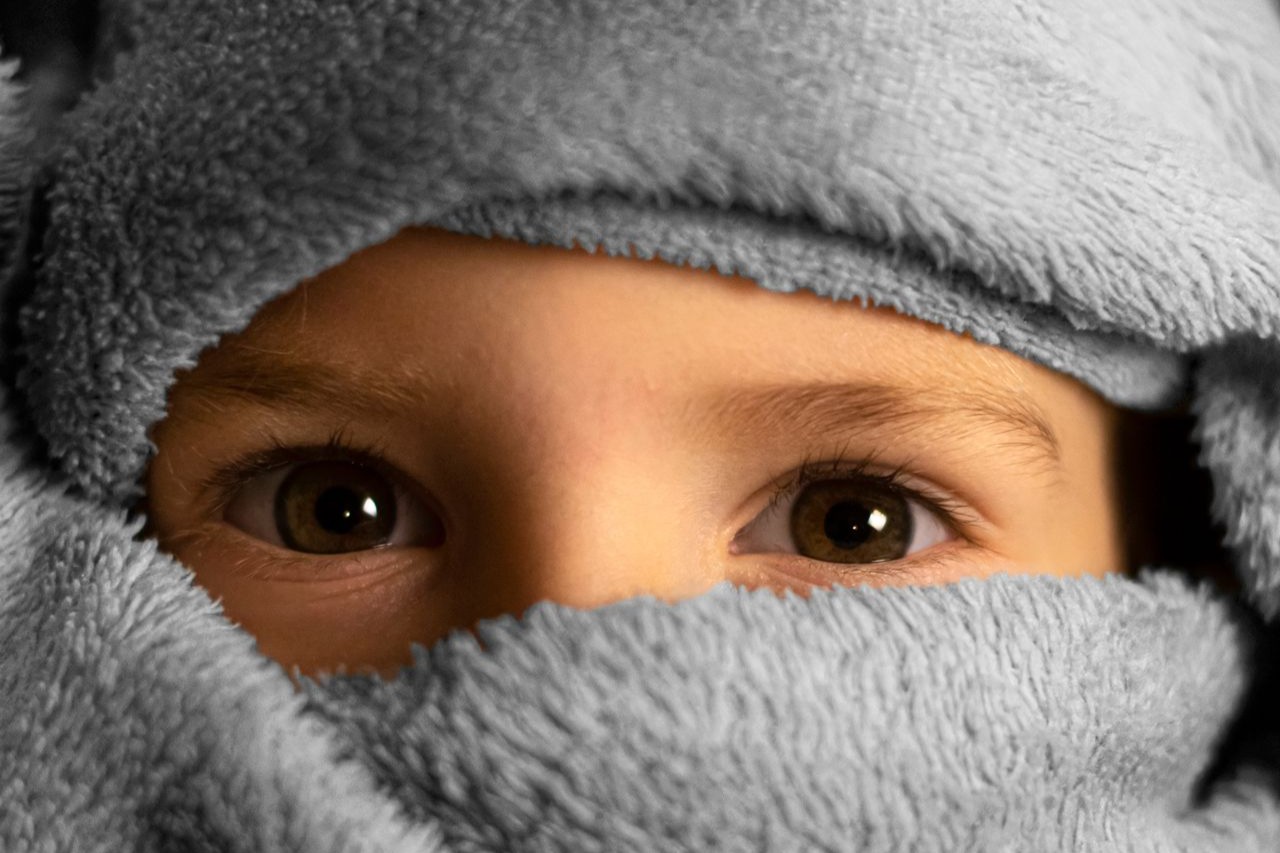
Many of us remember the terrifying shadows that danced on our bedroom walls when we were kids, or the absolute panic we felt at the sound of approaching thunder. We were often told by well-meaning parents that these were just phases—silly figments of a young, overactive imagination that we would inevitably leave behind as we grew up.
Yet, for millions of adults, those childhood terrors never truly vanished. Instead, they evolved, shifting shape to fit into the complexities of adult life. What started as a fear of the dark might now manifest as a debilitating dread of empty spaces or a paralyzing anxiety when driving at night.
Understanding why certain childhood phobias persist into later life requires a deep dive into human psychology, brain development, and the long-lasting impact of early emotional impressions. When left unaddressed, these lingering apprehensions can deeply influence our behavior, relationships, and overall mental well-being.
The Root System of Fear: How Early Apprehensions Take Hold
To understand why adults still panic over things that traditionally plague children, we must look at how the human brain develops. During our formative years, the brain is like a sponge, absorbing experiences and categorizing them to keep us safe. The amygdala, the brain’s emotional command center, is fully operational during childhood, while the prefrontal cortex—the area responsible for rational thought, risk assessment, and impulse control—is still under construction.
When a child experiences a frightening event, the amygdala records the memory with intense emotional coloration. If a child gets trapped in a pitch-black closet, the brain does not process the situation logically. Instead, it sounds a primal alarm: Darkness equals mortal danger.
Psychological research indicates that these early imprints can form neural pathways that are remarkably resilient. Unless these pathways are consciously interrupted, rewritten, or healed through therapeutic intervention, the brain continues to sound that exact same alarm decades later. This explains why an adult can intellectually know that a dark room is harmless, yet still feel their heart race and palms sweat upon entering one.
From Playground to Boardroom: How Adult Fears Manifest
As children mature into adults, their environments change drastically. Consequently, adult fears rarely look identical to the phobias experienced in youth. They undergo a process psychologists call “generalization” or “symptom substitution.”
Take, for instance, the classic childhood fear of clowns, masks, or costumed characters. In a child, this stems from an inability to read facial expressions and decipher true identity behind disguise. In an adult, this specific photia might transform into a profound, generalized distrust of people whose intentions are obscured, leading to intense social wariness or avoidance of networking events and public gatherings.
Similarly, an early fear of water—perhaps stemming from a scary swimming lesson or a near-drowning experience in childhood—often morphs into adulthood as a fear of loss of control. It is not just the water itself that triggers the panic; it is the visceral memory of helplessness associated with it.
These persistent dreads frequently interfere with career advancement and personal happiness. An individual plagued by an unresolved fear of public speaking or social scrutiny—roots of which often trace back to childhood bullying or humiliation in the classroom—might actively sabotage their career by turning down promotions that require leadership presence.
The Subtle Trap of Everyday Anxiety Habits
When people carry childhood phobias into adulthood, they rarely walk around in a state of constant, visible panic. Instead, they develop intricate anxiety habits to cope with and camouflage their distress. These behavioral adaptations become second nature, often going unnoticed by friends, family, and sometimes even the individuals themselves.
Avoidance is the most common coping mechanism. If an adult retains a deep-seated childhood fear of dogs, they will meticulously plan their walking routes to avoid parks, decline invitations to friends’ homes if they own pets, and constantly scan their environment for potential canine threats. This avoidance provides temporary relief, but it ultimately reinforces the phobia, convincing the brain that the danger was real and that running away was the only way to survive.
Other common anxiety habits include:
- Safety Behaviors: Relying on constant reassurance, always sitting near an exit, or carrying specific comfort items well into adulthood.
- Hypervigilance: Constantly scanning environments for signs of threat, which drains mental energy and leads to chronic exhaustion.
- Overpreparation: Researching every possible outcome of a situation to mitigate the fear of the unknown, mirroring a child’s need for strict predictability.
While these habits help individuals function on a day-to-day basis, they trap them in a self-perpetuating cycle of fear, preventing true emotional freedom.
Unraveling the Knots: Psychological Trauma and the Body
Not all childhood phobias stem from dramatic, catastrophic events. While some are the result of psychological trauma—such as abuse, severe accidents, or the sudden loss of a loved one—many are born from subtler, chronic environments.
Growing up in a chaotic household, experiencing chronic parental conflict, or simply having caregivers who themselves were highly anxious can plant the seeds of lifelong phobias. Children look to their parents to gauge how to react to the world. If a mother consistently reacts to harmless insects with shrieks of terror, the child learns to associate those insects with mortal peril. This is known as observational learning.
Furthermore, trauma is not just a mental phenomenon; it is stored physically within the body. Somatic psychology teaches us that the nervous system remembers what the conscious mind tries to forget. When an adult triggers a dormant childhood phobia, their body reacts as if it were still that helpless child, flooding the system with cortisol and adrenaline.
Breaking Free: Pathways to Healing
Carrying childhood phobias into adulthood is common, but it does not have to be a life sentence. Modern psychology offers powerful, evidence-based tools to rewire the brain and dismantle these deeply ingrained fears.
Cognitive Behavioral Therapy (CBT) remains the gold standard for treating phobias and anxiety disorders. CBT helps individuals identify the distorted thoughts underlying their fears and challenge them with adult logic and reality-testing.
Closely related is exposure therapy, where individuals are gradually and safely exposed to the source of their fear in a controlled environment. Through repeated, safe exposures, the brain learns a new narrative: The danger is gone, and I am safe now.
For trauma-based phobias, modalities like Eye Movement Desensitization and Reprocessing (EMDR) have shown remarkable success in helping patients process stuck memories, allowing the nervous system to finally let go of the past.
Our earliest fears are profound chapters in our personal history, but they do not have to dictate our future. Recognizing that those lingering adult anxieties often trace back to the vulnerable experiences of our youth is the first step toward reclaiming our peace of mind. By acknowledging these phobias with compassion rather than shame, we open the door to genuine healing—proving that no matter how long we have carried our childhood fears, it is never too late to put them down.